
Co-Occurring Disorders Demystified: Prevalence and Risks
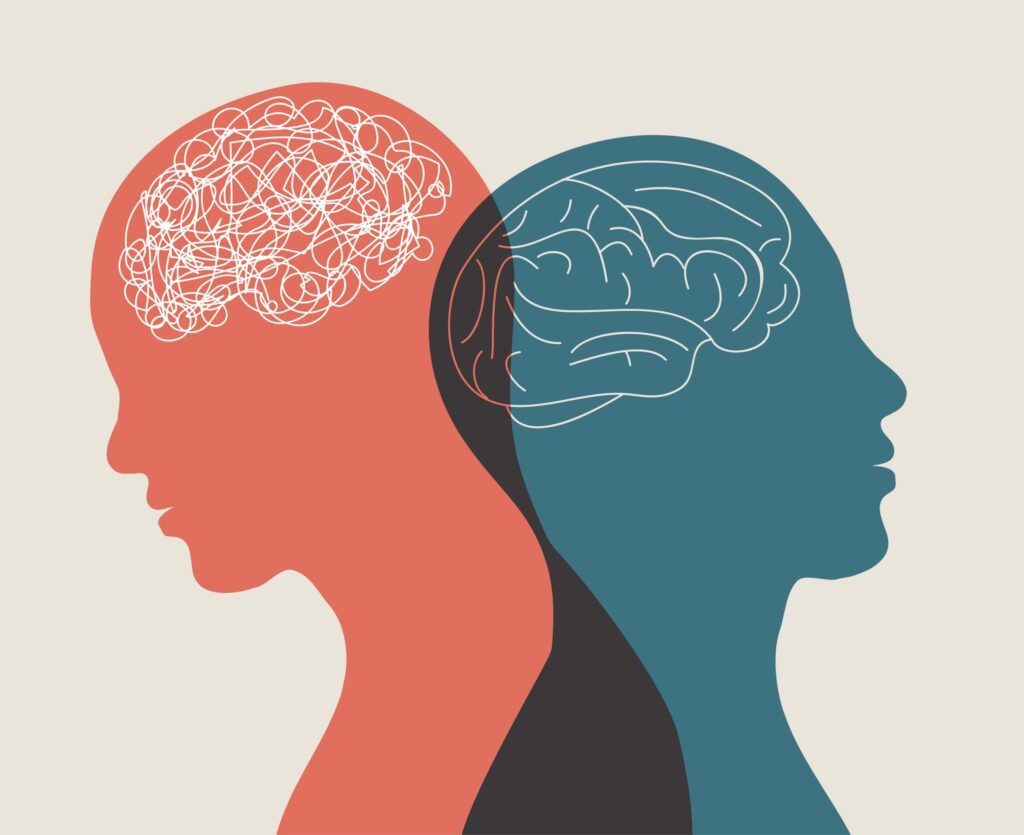
You’ve heard the phrases ‘mental health issues’ and ‘substance abuse problems’ bandied about, but did you know these conditions often go hand in hand? If you’re struggling with addiction and also experiencing symptoms of a mental health condition like depression or anxiety, you’re not alone. Co-occurring disorders, also known as dual diagnosis, are more common than you might think. As many as 8.9 million Americans are affected. The relationship between mental illness and substance abuse is complex, and it can be hard to determine which came first, the addiction or the mental health issue. Defining Co-Occurring Disorders: When Mental Health and Addiction Intersect Co-occurring disorders, also known as dual diagnosis, refer to suffering from a mental health condition and substance use disorder simultaneously. Nearly 8 million Americans battle co-occurring disorders each year. The relationship between addiction and mental health is complex. Substance use may develop as a way to self-medicate symptoms of an undiagnosed or untreated mental health condition. Conversely, prolonged drug or alcohol use can trigger or worsen symptoms of mental illness due to brain changes. The truth is, that these disorders often feed into each other in a vicious cycle. Co-occurring disorders also share many of the same risk factors, including genetics, childhood trauma, social environment, and lack of healthcare access. The likelihood of developing a co-occurring disorder is high. In fact, over half of individuals seeking mental health or addiction treatment meet the criteria for a dual diagnosis. Getting an accurate diagnosis is critical but can prove challenging. Many symptoms overlap, and individuals may be hesitant to disclose substance use to a mental health professional or vice versa. Using multiple methods of medical history, psychological evaluations, physical exams, and blood tests helps determine appropriate treatment. Managing co-occurring disorders requires integrated treatment that addresses both conditions simultaneously. Things like therapy (individual and group), medication, lifestyle changes, and social support can be combined for the best results. Ongoing monitoring and adjustment to treatment plans ensure continued progress and long-term wellness. There is hope and healing. With proper diagnosis and integrated care, individuals can overcome co-occurring disorders, achieving sustained recovery and improved quality of life. Understanding these complex conditions helps reduce stigma and leads to better outcomes for those affected. The Startling Prevalence of Co-Occurring Disorders in America The numbers are staggering. Nearly 1 in 3 American adults experienced either a substance use disorder or mental illness in the past year. Roughly 9.2 million adults in the U.S. grapple with co-occurring mental and substance use disorders. That’s about 7 million people dealing with the double blow of a mental health condition and addiction simultaneously. Co-occurring disorders, also known as dual diagnosis, are more common than you might think. Unfortunately, many people suffer in silence, unaware that effective treatment options exist. The truth is, that mental illness and substance abuse often go hand in hand, feeding into a vicious cycle that’s difficult to break free from alone. Risk Factors Several factors increase the likelihood of developing co-occurring disorders: Genetics: Mental health conditions and addiction tendencies can run in families. If close relatives struggle with similar issues, you may be at higher risk. Trauma: Experiencing traumatic events like abuse, violence, or severe loss during childhood or as an adult can contribute to the development of mental health and substance use disorders. Social environment: Growing up in a household where heavy alcohol or drug use is modeled or accepted can increase the risk of developing an addiction and related mental health conditions. Mental health issues: Conditions like depression and anxiety, PTSD, and bipolar disorder may prompt some people to self-medicate with drugs or alcohol, leading to addiction. Similarly, addiction can trigger worsen symptoms of mental illness due to the effects of intoxication or withdrawal. The tangled web of co-occurring disorders often leaves people wondering which came first, the mental health issue or the addiction. The reality is that these disorders frequently develop together in a vicious cycle, making it difficult to determine the initial cause. Unpacking the Chicken-or-Egg Question: Does Mental Illness or Addiction Come First? When it comes to co-occurring disorders, the question often arises: which came first, the mental health condition or the substance use disorder? The relationship between the two is complex and bi-directional. Sometimes mental health issues drive people to use drugs or alcohol as a form of self-medication to numb emotional or psychological pain. Other times, substance abuse can trigger or exacerbate the onset of conditions like depression, anxiety, psychosis, or bipolar disorder. Mental illness preceding addiction: Some individuals may turn to drugs or alcohol to escape from or cope with symptoms of a mental health condition like major depression, social anxiety disorder, PTSD, or schizophrenia. The substance use provides temporary relief and in the long run, worsens symptoms and overall health. Addiction preceding mental illness: Prolonged substance abuse can alter brain chemistry and structure, increasing the risk of developing mental health disorders. Drugs like cocaine, methamphetamine, and alcohol are known to induce symptoms resembling schizophrenia, depression, and mania. Withdrawal from drugs can also trigger a post-acute withdrawal syndrome, characterized by mood swings, anxiety, insomnia, and depression. Co-occurring from the start: In some cases, a person may be predisposed or susceptible to developing both a substance use disorder and mental health condition, due to a combination of genetics, environment, life experiences, and other factors. The two conditions arise around the same time and exacerbate each other in a perpetual cycle. The reality is, for most people with co-occurring disorders, it’s difficult to determine exactly which came first or the precise nature of the relationship between their mental health and addiction. The good news is, that with proper diagnosis and integrated treatment that addresses both conditions, healing and recovery are possible. Ongoing research continues to provide more insight into effective ways to manage co-occurring disorders and the bi-directional relationship between mental illness and addiction Key Risk Factors for Developing Co-Occurring Disorders Several factors put individuals at higher risk of developing co-occurring disorders. Family history If addiction, alcoholism, or