
Fentanyl Withdrawal Symptoms: Empower Yourself on the Path to Wellness
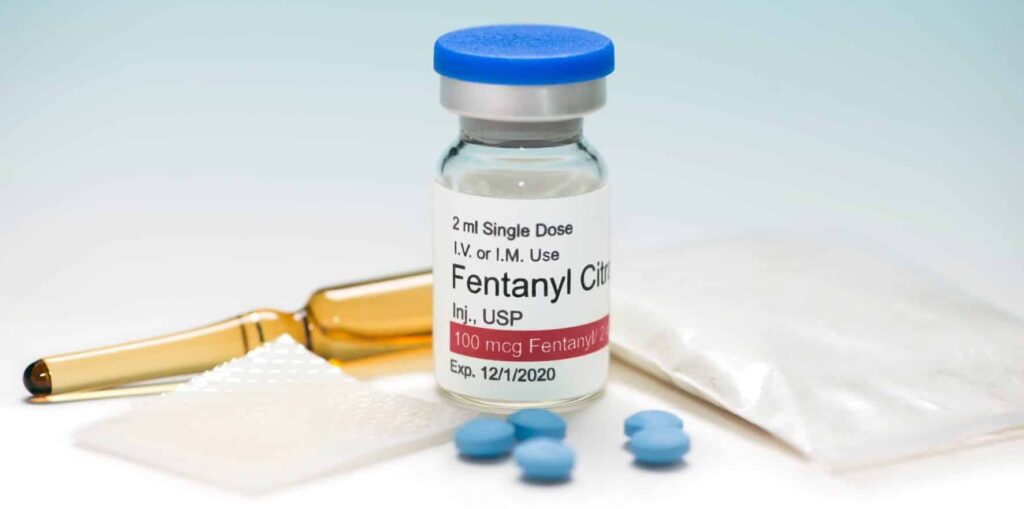
Even by fluke, Fentanyl can become life-threatening, just like Benzos. If you’re wondering what Fentanyl is, it’s a synthetic opioid used to treat extreme pain immediately followed by surgery! Fentanyl is said to be 100 times more potent than morphine, and it effortlessly can become addictive. And even if you wish to cut down on the use of Fentanyl, their cutdown can lead to severe Fentanyl withdrawal symptoms. These withdrawal symptoms, although not typically life-threatening, can obstruct the normal flow of life. In this article, we are spilling the beans on Fentanyl withdrawal, its symptoms, and the ways to manage them! Let’s get the ball rolling. Is the Struggle with Fentanyl Overwhelming? Detox, therapy, and medication-assisted options can lead you toward a healthier future. Beat Withdrawal Now! 732-798-7743 Why am I addicted to Fentanyl even if I didn’t want to? It’s evident in the research that “More than half of opioid overdose deaths in 10 states studied tested positive for fentanyl.” There is a precise reason why Fentanyl can be so addictive, and these work pretty much the same as a normal drug. Fentanyl is a synthetic drug that falls in the category of Opioids. When any opioids are administered into the body, it triggers and releases a chemical known as Endorphins. Endorphins are the pleasure chemicals that induce a feel-good sensation in the body but for a momentary time. This sensation of happiness is so temporary and pleasurable that it is often described as Euphoria (Getting high, in layman’s terms). Endorphins also numb the sensation of the pain. This is why it’s the perfect prescription for pain. Its combined effect of euphoria and numbing the pain is what makes it the best painkiller. Its effect is temporary and diminishes as the drug leaves the body systems. But that is where it becomes challenging. The painkiller may stop working on the body. Still, the desire to feel the Euphoria (getting high) may never stop, which leads to extra consumption of Fentanyl than necessary and eventually to addiction- An addiction that overpowers normal life! The only solution to break this stigma is Fentanyl withdrawal! Fentanyl Withdrawal- is it necessary? Did you know that fentanyl is the leading cause of drug death in the entire US? It has accounted for 67,325 preventable deaths in 2021, which is a 26% increase from that of 2020. Therefore, it’s highly important to guide the fentanyl addict about the importance of stopping fentanyl and raise awareness about the fentanyl withdrawal dangers. Since Fentanyl withdrawal can have a direct impact on overall health, including mental, physical, and emotional, managing them effectively is most crucial! Even though you consume a peanut size, the desire stays for long. The body gets adjusted to the drug and may need a higher dose to satisfy and achieve the same ‘high’ feeling. People with fentanyl addiction majorly become dependent after the doctor prescribes them as a painkiller. Even taking for a couple of weeks can lead gradually to addiction- all without even knowing it. What are the Fentanyl withdrawal symptoms? Fentanyl addiction is dangerous, and so is its withdrawal! Data shows that 0.007% of an ounce or 2mg of fentanyl can cause serious death! Therefore, an effective management plan for withdrawing from Fentanyl is crucial. You can’t just stop it at a time when your body has adjusted to higher doses of it. It can only cause more harm than good. When consulting with a doctor, they support you with easy fentanyl withdrawal that can ease the effect of Fentanyl withdrawal symptoms. Withdrawing from Fentanyl can affect all levels of life- from physical to psychological. Here are the symptoms to support the claim! Physical Symptoms: Muscle Aches and Pains: You may experience generalized muscle discomfort, aches, and pains, reflecting the body’s response to the absence of Fentanyl. Sweating and Chills: Uncontrolled sweating, along with chills, is a common physical manifestation during withdrawal, as the body struggles to regulate its temperature. Nausea and Vomiting: Gastrointestinal symptoms are prevalent, and nausea accompanied by vomiting is common during the withdrawal phase. Insomnia and Sleep Disturbances: Disruption of sleep patterns is a major symptom of Fentanyl withdrawal, leading to insomnia and restlessness. Fatigue: A pervasive sense of fatigue and weakness is often reported, making it challenging to engage in daily activities. Diarrhea: Gastrointestinal distress is often accompanied by diarrhea, adding to the physical discomfort experienced during withdrawal. Abdominal Cramps: Abdominal cramps and discomfort may occur as the digestive system readjusts. Runny Nose and Sneezing: You may also experience flu-like symptoms, including a runny nose and sneezing. Yawning: Excessive yawning is a common withdrawal symptom and is often associated with opioid withdrawal, including Fentanyl. Psychological Symptoms: Anxiety: The sudden absence of Fentanyl can trigger heightened anxiety, ranging from mild discomfort to more severe panic-like symptoms. Depression: Feelings of sadness, hopelessness, and a general sense of despair may emerge as the brain adjusts to the absence of the drug. Irritability: Increased irritability and mood swings are common psychological manifestations during withdrawal. Difficulty Concentrating: Cognitive functions may be impaired, leading to difficulty concentrating, memory lapses, and overall mental fogginess. Emotional Symptoms: Mood Swings: You may experience intense mood swings, ranging from euphoria to deep sadness, within short periods. Crying Spells: Emotional release through crying spells is common as you grapple with the intensity of your emotions during withdrawal. Feelings of Hopelessness: The emotional strain of withdrawal can lead to feelings of hopelessness and despair. A terrible thing to notice is that it takes just hours after the Fentanyl withdrawal to notice visible symptoms and peak within the first few days of the fentanyl withdrawal. Therefore, it’s crucial for those who are experiencing Fentanyl withdrawal to seek professional medical and psychological support to manage symptoms effectively for successful recovery! Fentanyl withdrawal timeline The fentanyl withdrawal timeline depends on the age, person, body type, and dependency of Fentanyl. Here is a glimpse of the timeline of the fentanyl withdrawal symptoms. As aforementioned, the symptoms of each withdrawal stage may vary!