
Living with BPD or Loving Someone Who Does? Here’s What You Need to Know
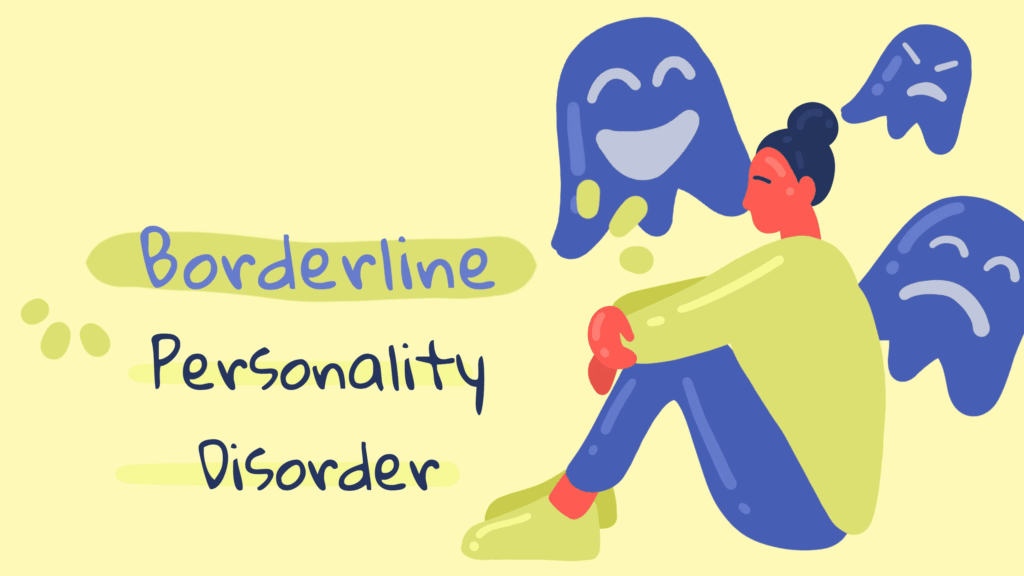
Borderline Personality Disorder (BPD) is a mental health condition characterized by intense mood swings, unstable relationships, and difficulty controlling emotions, with an increased risk of self-destructive behavior and suicide. Mainly treated with talk therapy, individuals with BPD struggle with an intense fear of abandonment and challenges regulating emotions, often leading to impulsive and risky behaviors. BPD falls under “Cluster B” personality disorders, characterized by dramatic and erratic behaviors, forming chronic and inflexible behavior patterns causing social issues and distress. Many with BPD may be unaware of their condition and the potential for healthier behaviors and relationships. Lets learn about – how to deal with someone with borderline personality disorder. Struggling with BPD’s emotional chaos? DBT and Schema Therapy can teach you to regulate your emotions and build healthier connections. Rebuild with Treatment, Act Now 732-798-7743 How common is borderline personality disorder? Borderline Personality Disorder is not widespread, with only around 1.4% of the adult population being affected by it. In India, the prevalence of BPD is estimated to be around 7 per 1000 people. Historically, approximately 75% of BPD diagnoses were assigned to women, likely indicating overdiagnosis in women and underdiagnosis in men. Recent research, however, indicates no gender-based difference in BPD prevalence. Around 60% of individuals with BPD also experience co-occurring anxiety disorders, and nearly 50% have concurrent mood disorders. Individuals with borderline personality disorder face a suicide risk 50 times higher than the general population, with almost 80% attempting suicide at least once in their lives. Borderline Personality Disorder Treatment The primary approach to managing borderline personality disorder treatment involves psychotherapy, with the possibility of incorporating medication. In situations where safety is a concern, hospitalization may be recommended by your doctor. Psychotherapy Psychotherapy, a borderline personality disorder treatment commonly known as talk therapy, is the preferred method for addressing borderline personality disorder treatment. This borderline personality disorder treatment aims to explore the motivations and fears underlying thoughts and behaviors, fostering a more positive connection with others. Various forms of therapy effective in borderline personality disorder treatment of BPD include: Dialectical Behavior Therapy (DBT) Specifically designed therapy for borderline personality disorder treatment, includes Dialectical Behavior Therapy that concentrates on acknowledging life realities and behaviors while facilitating positive life changes. It imparts skills for emotion regulation, reducing self-destructive behaviors, and enhancing relationships. Cognitive Behavioral Therapy (CBT) A structured and goal-oriented therapy of borderline personality disorder treatment, Cognitive Behavioral Therapy involves close examination of thoughts and emotions. Through this process, individuals gain insight into the impact of thoughts on actions. CBT facilitates unlearning negative thoughts and behaviors, promoting the adoption of healthier thinking patterns and habits. 8 Tips on How to deal with someone with borderline personality disorder Acquire knowledge about the disorder Understanding borderline personality disorder (BPD) can be perplexing, and misconceptions often surround the experiences of those diagnosed with it. Educating yourself about the condition, including its symptoms and prognosis, is crucial for gaining insight into your loved one’s journey. Reliable sources such as the National Institute on Mental Health (NIMH) or the National Alliance on Mental Illness (NAMI) provide valuable information. Alternatively, engaging in a direct conversation with a mental health care professional can offer a more personalized understanding. Recognize and Affirm Their Emotions Validating the feelings of individuals with BPD is essential, it might be tempting to dismiss their emotions or try to rationalize them, but acknowledging the legitimacy of their feelings is crucial. You can provide validation without necessarily agreeing with their perspective. A simple yet effective approach is to mirror their emotions, expressing understanding and empathy. For instance, saying, “I can see that you are hurting; it must be terrible to feel that way,” can be more supportive than dismissing their emotions. Listening with compassion and respect is key, as validation plays a central role in BPD treatment. Simplify Your Communication Individuals with borderline personality disorder may distort their words based on their current emotional state, interpreting innocent statements as personal attacks. The illness can create a barrier, making it challenging to convey your true intentions and hindering effective communication. Encourage Accountability When supporting someone with BPD, it’s common to slip into a caretaking role, driven by the desire to restore normalcy swiftly. However, fostering responsibility can be a more compassionate approach. This doesn’t mean abandoning them in their struggles but refraining from rescuing them from the consequences of their actions. For instance, if they break something in anger, resist the urge to immediately fix it. If they face financial issues, avoid bailing them out. Allowing natural consequences helps them recognize the need for assistance and enables them to cope more effectively without taking undue responsibility. Set Clear Boundaries While establishing boundaries may initially feel uncomfortable, it is a crucial step for both parties. Boundaries provide structure and agency, holding your loved one accountable for their choices and preventing you from enduring unacceptable behavior. Approach the introduction of boundaries with calmness and love, avoiding accusations. Expect initial resistance and understand that things may worsen before improving, but sticking to boundaries can ultimately strengthen your relationship. Address Threats of Suicide or Self-Harm Suicidal or self-harm threats are common among individuals with BPD, and although some may view them as attention-seeking, dismissing them is risky. Despite the perception that these threats are manipulative, actual suicide and self-harm are prevalent in this population, with 10% of those with BPD dying by suicide. Contrary to misconceptions, 80% of individuals planning suicide communicate their intentions, often by discussing it. When faced with threats, avoid arguing or labeling them as manipulative. Instead, acknowledge the deep pain your loved one is experiencing and express concern while maintaining boundaries. Among 75 individuals who attempted suicide, a study discovered that 13 of them, comprising 8 males and 5 females, were subsequently identified as having Borderline Personality Disorder (BPD). This report on BPD in India indicates a notable prevalence rate and suggests that it might be underdiagnosed in clinical settings, as per Pinto et al. (2000). Facilitate Access to borderline personality disorder treatment Individuals