
Spravato For Depression: The Best Treatment Option
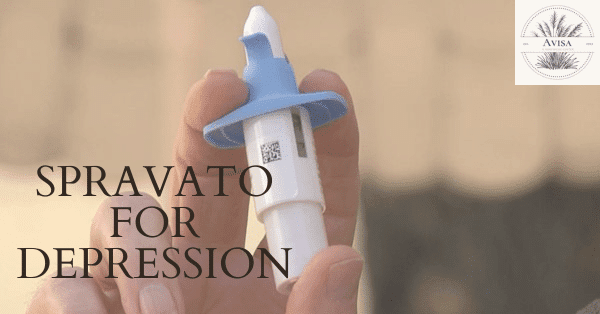
SPRAVATO, containing esketamine, stands as the inaugural nasal spray endorsed by the Food and Drug Administration (FDA) for alleviating depression in adults unresponsive to prior antidepressant treatments. Termed treatment-resistant depression (TRD), this condition impacts nearly a third of individuals diagnosed with depression. As conventional treatments sometimes fall short, exploring alternative options such as Spravato for depression becomes imperative. This blog goes through the promising domain of Spravato for depression therapy, shedding light on its effectiveness, importance, and the hope it brings for those grappling with depression. Is Ketamine Treatment Right for You? Ketamine has emerged as a promising treatment for certain mental health conditions, but it’s not a one-size-fits-all solution. This blog explores factors to consider if you’re wondering if ketamine treatment might be right for you or not. Patient Considerations Before embarking on ketamine treatment, it’s crucial to consider various factors to determine its suitability for each individual. Patient considerations include: Severity and duration of depression: Ketamine treatment may be most beneficial for individuals with treatment-resistant depression (TRD) who have not responded adequately to other antidepressant medications. Medical history: Patients should disclose any pre-existing medical conditions, such as cardiovascular or liver disease, as well as current medications or supplements, to assess potential risks and contraindications. Psychological status: A thorough evaluation of mental health history, including any history of substance abuse or psychosis, is essential to ensure patient safety and suitability for ketamine treatment. Treatment goals: Patients should discuss their treatment goals and expectations with healthcare providers to align on realistic outcomes and develop a tailored treatment plan. Consultation Process The consultation process for ketamine treatment typically involves an initial assessment and discussion with a healthcare provider specializing in mental health or ketamine therapy. Key components of the consultation process may include, Comprehensive evaluation: Healthcare providers will conduct a thorough assessment of the patient’s medical history, psychiatric symptoms, and treatment history to determine the appropriateness of ketamine therapy. Informed consent: Patients will receive detailed information about ketamine treatment, including its mechanism of action, potential benefits, risks, and side effects, to make an informed decision about proceeding with treatment. Treatment planning: Based on the evaluation and patient preferences, healthcare providers will collaborate with patients to develop a personalized treatment plan, including a dosing regimen, frequency of treatment sessions, and ongoing monitoring. Assessing Suitability for Treatment After the consultation process, healthcare providers will assess the patient’s suitability for ketamine treatment based on various factors, including: Treatment resistance: Ketamine therapy is typically reserved for individuals with treatment-resistant depression who have not responded adequately to conventional antidepressant medications. Risk assessment: Healthcare providers will evaluate the patient’s medical history, current medications, and psychiatric status to identify any potential risks or contraindications for ketamine treatment. Patient preferences: Patient preferences and treatment goals play a significant role in determining suitability for ketamine therapy, as aligning treatment expectations is essential for successful outcomes. Shared decision-making: Ultimately, the decision to pursue ketamine treatment should be a collaborative process between patients and healthcare providers, taking into account individual needs, preferences, and safety considerations. How Ketamine Therapy Works Ketamine therapy operates on a unique mechanism compared to traditional antidepressants. Rather than solely targeting neurotransmitters like serotonin or norepinephrine, ketamine acts on the glutamate system in the brain. Glutamate is a key neurotransmitter involved in neural communication and is associated with mood regulation. By modulating glutamate levels, ketamine helps to facilitate neural plasticity and promote the growth of new synaptic connections, which are often impaired in depression. Mechanism of Action Spravato for depression, antagonizes the NMDA receptor, a subtype of glutamate receptor. This blockade leads to downstream effects on intracellular signaling pathways, promoting neural growth and connectivity. Approved Uses and Administration Indicated for adults with treatment-resistant depression who have not responded adequately to other antidepressant medications. Administered as a nasal spray under healthcare provider supervision in a clinical setting. The prescribing physician determines Dosage and frequency based on individual patient factors. Close monitoring ensures safe and effective use while minimizing potential side effects. Exploring Potential Side Effects Before starting any medication, it’s important to understand the potential side effects. While spravato for depression, can be a valuable tool in treating depression, it’s not without its drawbacks. This section will tell you more about the different types of side effects you might experience and how to manage them. Common Side Effects: Nausea: Some patients may experience feelings of queasiness or an upset stomach following Spravato administration. Dizziness: A sensation of lightheadedness or unsteadiness may occur shortly after treatment. Disassociation: Some individuals may feel disconnected from their surroundings or themselves, which can manifest as feelings of unreality or detachment. Increased blood pressure: Spravato may cause a temporary rise in blood pressure levels, which usually resolves without intervention. Sedation or fatigue: Patients may feel drowsy or lethargic after receiving Spravato, necessitating caution when engaging in activities that require alertness. Serious Side Effects Suicidal thoughts or behavior: In rare cases, Spravato for depression treatment may exacerbate suicidal ideation or lead to suicidal behavior, requiring immediate medical attention. Psychosis or hallucinations: Some patients may experience psychotic symptoms, such as hallucinations or delusions, which warrant prompt evaluation by a healthcare provider. Cognitive impairment: Spravato may impair cognitive function, including memory, concentration, and decision-making abilities, potentially impacting daily functioning. Bladder problems: Rarely, Spravato may cause urinary issues, such as difficulty urinating or an increased frequency of urination, necessitating further evaluation. Respiratory depression: In severe cases, Spravato may depress respiratory function, leading to breathing difficulties or respiratory distress, which requires immediate intervention. Long-Term Use and Dependency Risks Potential for tolerance and dependence with prolonged use: Continued use of Spravato may lead to tolerance, necessitating higher doses to achieve the desired therapeutic effect, and dependence, resulting in withdrawal symptoms upon discontinuation. Risk of substance abuse or misuse: Long-term use of Spravato may increase the risk of substance abuse or misuse, highlighting the importance of careful monitoring and adherence to treatment guidelines. Withdrawal symptoms upon discontinuation: Abrupt cessation of Spravato therapy may precipitate withdrawal symptoms, including mood disturbances, anxiety, insomnia, and