
The “Abcde” Method For Changing Your Mind – For The Better
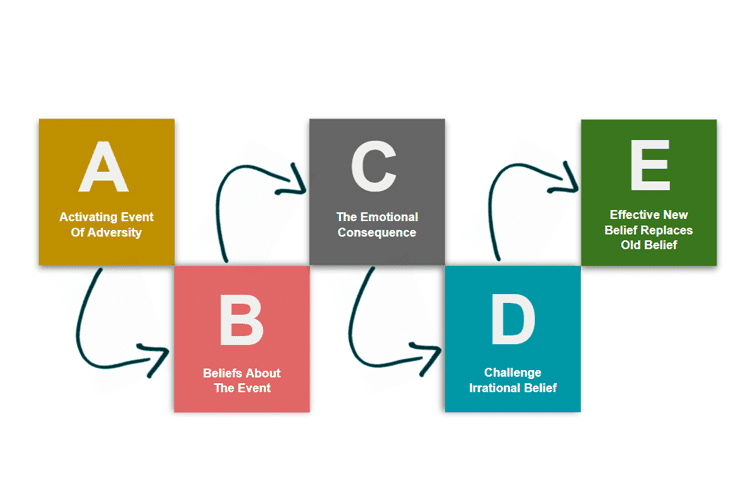
Introduction Our mental health significantly impacts how we perceive and react to our rapidly changing and fast-paced world. The transformative “ABCDE” method provides an organized and efficient way to maneuver through the complex world of thoughts and beliefs. Knowing and using this technique can revolutionize personal development in a society that values resilience and adaptability as virtues. The “Abcde” method is a path to self-discovery and constructive change, not just a series of letters. The process’s five essential steps—awareness, belief, challenge, decision, and execution—are represented by each letter. Is your mental health in need of urgent attention? The ABCDE method offers immediate strategies to help you regain control and improve your well-being. Take Action Now! 732-798-7743 Gaining control is as easy as ABCDE The ABCDE method was created by Albert Ellis, the creator of Rational Emotive Behavior Therapy (REBT), to give individuals a precise framework for freshly examining these internal processes. As you begin to tackle the situation, you may find a sense of control returning. Methodically dissecting events into manageable steps offers a strategy to eliminate the apparent ‘mystery’ surrounding your responses. By shining the bright light of mindful awareness upon your internal processes, you will discover they are not as mysterious or scary as once thought. A- Activating Event in ABCDE Model Closely observing certain events that trigger emotional responses in you is the first and most important step to getting a command over your emotions and thoughts. 1. Document the event(s): Name the particular incident or situation that made a shift in perspective necessary or desirable. This might be a result of a professional or personal experience that has made gaps in your present perspective apparent. 2. Examining the Effect on Mentality: Consider how the activating event has shaped your ideas, convictions, and general way of thinking. Think about whether the opportunities or challenges that the activating event presents are sufficiently addressed by your current mindset. 3. Taking Up Limiting Beliefs: Consider whether any limiting beliefs related to the activating event are impeding your growth or overall well-being. Examine opposing viewpoints that support constructive development and refute these assumptions. B- Beliefs in ABCDE Model The “ABCDE” method’s next step is to explore beliefs after awareness has been established. The fundamental convictions that influence our viewpoints, attitudes, and behaviors are known as beliefs. This step entails analyzing these beliefs and, if required, rearranging them to better fit a growth-oriented and optimistic outlook. 1. Analyzing Held Beliefs: Determine the core beliefs guiding your thoughts and behavior. Think about whether these beliefs help or hinder your ability to achieve your personal and professional objectives. 2. Changing Negative Thoughts to Positive Thoughts: Find any limiting or negative beliefs that might be preventing you from moving forward. Examine alternate, more empowering viewpoints and raise valid questions to counter these assumptions. 3. Developing an Attitude of Growth: Accept the idea of a growth mindset, in which obstacles are seen as chances for development and learning. Encourage attitudes that place a strong emphasis on flexibility, resilience, and the potential for personal growth. 4. Matching Beliefs to Objectives: Make sure your values align with the objectives you have set for yourself. Adjust your beliefs as needed to build a mental model that serves your goals. A more constructive and upbeat mindset can be established by addressing and reshaping beliefs. A deliberate effort to question and alter beliefs that might be limiting your potential is required for this process. As you move past the “Belief” stage, you create the conditions for a way of thinking that supports achievement, personal development, and general well-being. C- Consequences in ABCDE Model Knowing the effects of your thoughts and deeds is a crucial phase in the ABCDE process. This entails assessing the effects of your attitude and actions, both good and bad, and using this knowledge to guide your decision-making. 1. Thinking Back on Previous Outcomes: Think about how your mindset affected the decisions you made in the past. Determine the trends of favorable or unfavorable outcomes associated with particular attitudes and actions. 2. Considering Potential Aftereffects: Imagine the possible consequences of keeping your present perspective. Determine whether your actions and beliefs are in line with your long-term objectives and general well-being. 3. Changing One’s Perspective to Aim for Benefits: If unfavorable effects are found, consider how changing your perspective can result in better outcomes. Ensure that your actions and beliefs are in line with what will lead to success and personal development. 4. Taking Lessons from Past Events: Consider both favorable and unfavorable outcomes as teaching moments. Make use of the knowledge you have gained to hone your mindset and make it more favorable to reaching your goals. The ABCDE method gains a contemplative component when you include the idea of consequences in it. This step invites you to reflect on how your mindset affects the outcomes you encounter in different areas of your life. It supports the notion that deliberate mental adjustments combined with mindful awareness can produce more favorable outcomes and, in the end, help people live more successful and fulfilling lives. D- Disputing in ABCDE Model The emphasis at this point is on actively refuting or opposing unfavorable ideas and viewpoints that impede personal development. It entails having a constructive internal conversation to challenge the veracity of limiting beliefs and cultivate an optimistic outlook. 1. Recognizing Adverse Thoughts: Identify the ideas that feed a pessimistic or constrictive mindset. Identify negative or self-critical inner monologue. 2. Defying Pessimistic Ideas: Challenge the veracity of negative thoughts to actively refute them. Seek information that defies these unfavorable assumptions. 3. Negative Thoughts Replaced: Negative thoughts should be swapped out for more practical and upbeat ones. To combat negativity, practice self-talk or affirmations. 4. Creating a Positive Internal Conversation: Make it a habit to think positively and speak to yourself. Build self-empowering beliefs that support a growth mindset by putting your attention there. The “Dispute” stage promotes a mental environment that is favorable to success and personal growth by actively
From the Spotlight to the Shadows: Famous Figures Who Battle PTSD
Post-traumatic stress disorder, or PTSD, is a mental health condition that can develop after a person experiences a terrifying or shocking event. It’s far more common than you might think, affecting millions of people worldwide. PTSD symptoms can include flashbacks, nightmares, avoidance of triggers, hypervigilance, and emotional numbness. These symptoms can significantly impact a person’s daily life, making it difficult to maintain relationships, work, and feel safe. Exhausted from living in constant fear? Specialized PTSD treatment can give you the comfort and security you’ve been seeking, empowering you to reclaim your life. Find Relief Today 732-798-7743 Understanding PTSD Before exploring the stories of celebrities with PTSD, let’s solidify our understanding of the condition itself. Post-traumatic stress disorder (PTSD) is a mental health condition that develops after experiencing a traumatic event. This event could be a physical assault, a natural disaster, a life-threatening accident, witnessing violence, or any situation that caused intense fear, helplessness, or horror. Symptoms of PTSD typically fall into four categories: Intrusion: Flashbacks, nightmares, intrusive thoughts about the traumatic event. Avoidance: Avoiding people, places, situations, or reminders of the event. Negative changes in thinking and mood: Negative thoughts about oneself or the world, difficulty experiencing positive emotions, feeling detached from others, and memory problems. Changes in physical and emotional arousal: Hypervigilance (being on high alert), irritability, difficulty concentrating, sleep problems, physical reactions such as sweating or rapid heart rate. Causes and Risk Factors While anyone who experiences trauma can develop PTSD, some factors increase the risk: Severity of the trauma: The more severe the event, the higher the risk of PTSD. Repeated exposure to trauma: People who experience multiple traumatic events are more likely to develop PTSD. Lack of social support: Having a strong support system can buffer the impact of trauma. Pre-existing mental health conditions: Individuals with anxiety or depression may be more susceptible to PTSD. Understanding these aspects of PTSD allows us to appreciate the challenges faced by celebrities who battle this condition while navigating the pressures of fame. Famous People with PTSD: Breaking the Silence Celebrities with PTSD are using their platforms for good. By sharing their experiences, they: Challenge the stigma: Openness about mental health encourages others to seek help without shame. Raise awareness: Their stories bring PTSD into the public eye, highlighting its prevalence. Build a community: Shared experiences foster connection and understanding for those battling PTSD. Overview of famous individuals who have publicly discussed their struggles with PTSD Here is the list of some celebrities Lady Gaga Background: Survived sexual assault at 19.Path to Healing: Pursued talk therapy and medication. Jason KanderBackground: Faced trauma from Afghanistan deployment.Path to Healing: Prolonged Exposure (PE) therapy and Cognitive Processing Therapy (CPT) were used. Dorit Kemsley Background: Endured armed robbery at home.Path to Healing: Found relief in Eye Movement Desensitization and Reprocessing (EMDR) therapy. Jaime Lowe Background: Traumatized by sexual assault at 13.Path to Healing: Underwent Cognitive Processing Therapy (CPT). Ariana Grande Background: Experienced aftermath of concert terrorist attack.Path to Healing: Prioritized therapy and launched a free therapy initiative. Darrell Hammond Background: Childhood abuse led to complex PTSD.Path to Healing: Found solace in Cognitive Behavioral Therapy (CBT). Prince Harry Background: Dealt with the loss of Princess Diana and royal pressures.Path to Healing: Embraced EMDR therapy. Gabrielle Union Background: Survived brutal sexual assault.Path to Healing: Dedicated to talk therapy for recovery. A Powerful Voice for Change The decision by these celebrities to share their stories is significant for several reasons: Reducing Stigma: By openly discussing their mental health struggles, celebrities help chip away at the stigma surrounding PTSD. This can encourage others to seek help without shame. Raising Awareness: Their stories bring PTSD into the public eye, increasing awareness of the condition and its prevalence. Building Community: Hearing celebrities talk about PTSD can foster a sense of connection and understanding for those who are also battling the condition. These famous figures are using their platforms to break the silence surrounding PTSD. Their courage and openness can inspire others to seek support and create a more informed and compassionate society. Athletes Confronting PTSD The world of athletics is often perceived as a realm of peak physical and mental performance. However, athletes are not immune to the psychological scars of trauma. This section explores: Unique Challenges, Shared Struggles Several athletes have bravely shared their battles with PTSD, highlighting the unique challenges they face in their profession. These challenges might include: Pressure to Perform: Athletes often face immense pressure to succeed, which can exacerbate PTSD symptoms like anxiety and hypervigilance. Reliving Trauma: Athletes may face situations that trigger memories of the traumatic event, particularly in high-pressure competition settings. Fear of Failure: The fear of failure, a constant companion for many athletes, can be amplified by PTSD. From the Field to Advocacy Despite these challenges, some athletes are using their voices to advocate for mental health awareness in sports. By speaking out, they: Normalize help-seeking: Seeing athletes prioritize their mental health can encourage others to do the same. Challenge the culture of silence: Openness about mental health issues can dismantle the stigma that often exists within athletic communities. Promote resources: Athletes can leverage their platforms to promote mental health resources that are available to fellow athletes and the general public. These courageous athletes are not only inspiring competitors but also mental health advocates, urging a shift toward recognizing and addressing PTSD within the sporting world. Veterans and PTSD The battlefield leaves its mark, not just physically but often emotionally as well. This section honors veterans who have battled PTSD after experiencing service-related trauma. Stories of Resilience Service-Related Trauma: Veterans often face intense trauma, leading to PTSD with symptoms like intrusive memories, nightmares, hypervigilance, and emotional numbness. Recovery Journeys: Recovery involves therapies like CBT, PE, and EMDR, along with support groups and peer counseling. Acknowledging and Supporting Veterans with PTSD: Recognizing their challenges, promoting PTSD awareness, and providing accessible mental health services are crucial. Support programs and public awareness campaigns ensure veterans receive the care they need. Tired of fighting addiction