What Are The Common Administration Routes for Naloxone (Narcan)?
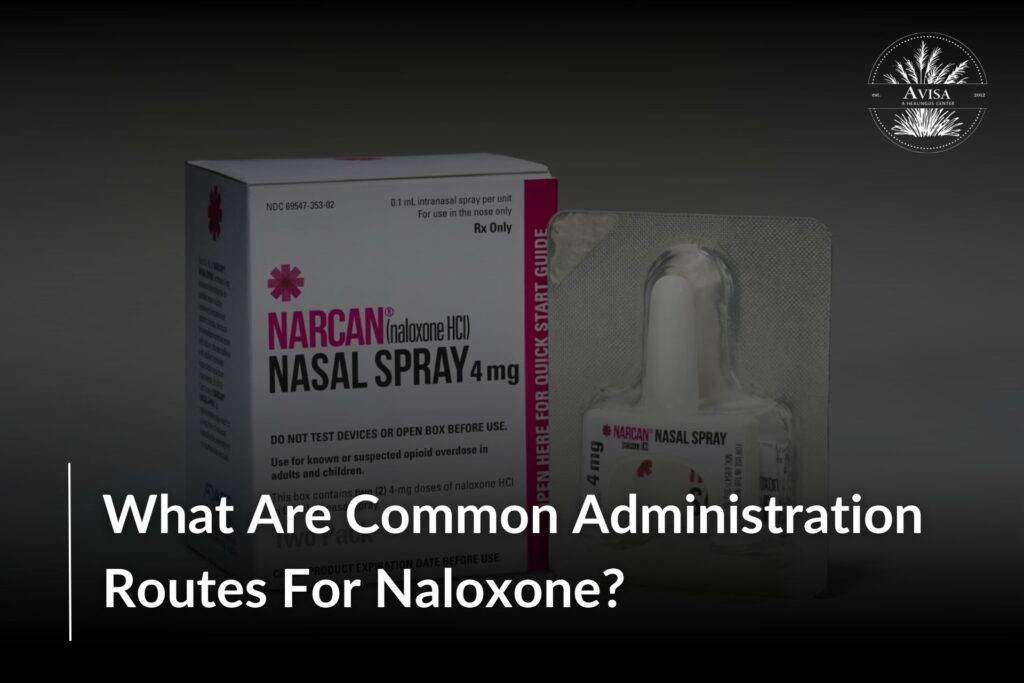
Naloxone, commonly known by its brand name Narcan, is a crucial medication renowned for its life-saving potential in combating opioid addiction. Did you know what are the common administration routes for naloxone? It’s essential to recognize that various other methods exist for administering this medication. This article will delve into the common administration routes for Naloxone, shedding light on who can administer it across different settings. Opioid overdoses can quickly lead to respiratory depression and death. Naloxone, a life-saving medication, rapidly reverses the effects of opioids, restoring breathing and preventing fatalities. Understanding what are common administration routes for naloxone is crucial for timely and effective intervention. Overdose emergencies can’t wait, and neither should you! Be ready to save a life with Naloxone and recovery options like therapy and sober living. Take Control—Save a Life 732-798-7743 How do you administer Narcan? Narcan, a brand name for Naloxone, is a life-saving medication that can reverse an opioid overdose. Knowing how to administer Narcan in an emergency can be the difference between life and death. What are the common administration routes for naloxone? Before diving into specific routes, it’s crucial to understand some general guidelines that apply to both methods. Recognize an Opioid Overdose: Look for signs like slowed or shallow breathing (or no breathing at all), pinpoint pupils, blue or pale complexion, and unresponsiveness. Call 911 Immediately: Narcan is a temporary measure to restore breathing until medical help arrives. Call for emergency assistance after administering Narcan. Position the Person: Lay the person flat on their back on a firm surface. Administer Narcan: Follow the specific instructions for the chosen route Stay with the Person: Monitor their breathing and wait for emergency services to arrive. Exploring Various Administration Routes By familiarizing yourself with these different administration routes and the general guidelines, you can be prepared to act in an emergency. Nasal Spray Administration This is the most common and user-friendly method. The Naloxone comes in a pre-filled nasal spray that can be easily administered even by someone with no prior medical training. Simply follow the instructions provided with the device to deliver a dose of Naloxone through the nose. While generally effective, multiple doses might be needed depending on the situation. Injectable Naloxone Hydrochloride This method involves injecting Naloxone into a muscle, typically the thigh or upper arm. While effective, it requires more training and may only be ideal for some in a high-stress situation. Narcan Nasal Spray, Step-by-Step Guide Narcan nasal spray is a crucial tool in the fight against opioid overdose emergencies. This user-friendly medication can rapidly reverse the effects of an overdose, potentially saving a life. Instructions for Proper Administration By familiarizing yourself with the proper administration of Narcan nasal spray, you can equip yourself with the knowledge and skills to intervene in a potentially life-threatening situation. Pre-Administration Check: Before administering Narcan, visually confirm the medication’s validity. Ensure the expiration date on the Narcan nasal spray has, yet to pass and the tamper-evident seal remains unbroken. This verification step safeguards against using expired or compromised medication. Positioning for Optimal Delivery: Lay the person experiencing a suspected opioid overdose flat on their back on a firm, stable surface. This optimizes airway patency and facilitates nasal spray administration. Gently tilt the person’s head back slightly to further improve access to the nostril. Administering the Dose: Remove the cap from the Narcan nasal spray. Carefully insert the nozzle tip into one person’s nostril with a steady hand. Firmly and completely depress the plunger to deliver a single dose of Narcan. Monitoring and Potential Repeat Administration: Following administration, observe the person for 2-3 minutes. Look for signs of recovery, such as resumed or regular breathing. If there is no response, repeat steps 4 and 5 using the other nostril. You may administer additional doses if necessary. Safety Precautions and Considerations Narcan is a Temporary Measure: It is vital to remember that Narcan serves as a bridge, reversing the immediate effects of an overdose. Calling emergency medical services (911) immediately after administering Narcan is essential. Medical professionals can provide definitive evaluation and ongoing care. Multiple Doses May Be Required: The potency of opioids can vary significantly. In some cases, multiple doses of Narcan may be necessary to achieve a complete reversal of the overdose. Do not hesitate to administer additional doses if the person does not respond initially. Safe to Administer Even When Unnecessary: There are no harmful side effects associated with administering Narcan to someone who is not experiencing an opioid overdose. In such scenarios, the medication will simply have no effect. Training Enhances Confidence: While the Narcan nasal spray is designed for ease of use, consider seeking professional training in Narcan administration. Training can bolster your confidence in using the tool effectively during a high-pressure situation and ensure proper technique. Proper administration is essential for maximizing its effectiveness. This guide outlines the step-by-step process for administering Narcan nasal spray and key safety considerations. Injectable Naloxone Hydrochloride: Guidelines and Considerations Understanding Injectable Naloxone While Narcan nasal spray is the most common form of naloxone for emergency use, injectable naloxone hydrochloride is also available. This injectable form is typically used by medical professionals or individuals trained in intramuscular injections. Here’s a brief overview of injectable naloxone: Function: Similar to the nasal spray, injectable naloxone works by rapidly reversing the effects of opioid overdose, specifically respiratory depression. Delivery: The medication is administered by injecting it into a muscle, typically the thigh or upper arm. Benefits: Some healthcare providers may prefer it due to its familiarity in a clinical setting. It offers precise dosing control, which is potentially useful in certain situations. Proper Administration Techniques and Dosages Administering injectable naloxone requires proper training due to the risks associated with incorrect injection techniques. This section is for informational purposes only and is not a substitute for professional medical training. For those who are trained in intramuscular injections and have been prescribed injectable naloxone, here are some general guidelines: Dosage: Typically, the recommended starting dose for injectable naloxone
What is the Most Common Treatment for Marijuana?
Marijuana use has skyrocketed in recent years. A 2023 study by the National Institute on Drug Abuse (NIDA) showed that nearly 40% of adults in the United States reported trying marijuana at some point in their lives, with 14.5% admitting to using it in the past year. While marijuana legalization efforts continue to gain momentum, concerns are also growing about the potential for dependence, particularly among young people. Rehab for marijuana addiction offers a lifeline to individuals grappling with the challenges of dependence on this widely-used substance. While marijuana is often perceived as non-addictive, for some, its consumption spirals into a compulsive pattern that disrupts their daily lives and overall well-being. Read on to understand the nature of the rehab for marijuana addiction. What is Marijuana? Marijuana, also known as cannabis, weed, pot, grass, herb, ganja, bud, and Mary Jane, is a psychoactive drug derived from the Cannabis plant. It contains compounds like THC (tetrahydrocannabinol) and CBD (cannabidiol) that affect the brain and body. Marijuana is widely used for both medical and recreational purposes, and it can have a calming, changed sense of time and space, as well as stimulating the appetite. It is usually ingested orally, vaporized, or smoked, and its legal status varies greatly among nations and areas. Is Marijuana Addictive? While not everyone who uses marijuana will develop an addiction, chronic and heavy use can lead to dependence and withdrawal symptoms when attempting to quit. Marijuana Addiction Marijuana contains THC, a psychoactive compound that interacts with the brain’s reward system, leading to feelings of pleasure and relaxation. This can trigger cravings and repeated use over time. Regular use can also alter brain development, potentially making it harder to resist the urge to use marijuana. Factors influencing susceptibility to addiction Several factors can influence your susceptibility to marijuana addiction: Genetics: Some people have a genetic predisposition that makes them more vulnerable. Age: Starting young increases the risk, as the brain is still developing. Mental Health: Existing conditions like depression or anxiety can increase the risk of using marijuana to cope, leading to dependence. Frequency and Amount: The more frequently and heavily someone uses, the greater the likelihood of dependence. Method of Use: Smoking appears to have a higher addiction potential compared to edibles. Marijuana Withdrawal If an individual consumes marijuana over an extended period, they may develop a reliance on the substance. When someone is reliant on a substance, discontinuing its use can lead to a range of uncomfortable symptoms. Withdrawal from marijuana may entail, Reduced appetite Changes in mood, including anxiety Sleep disturbances Irritability Intense cravings While not as severe as withdrawal from heroin, these symptoms can still pose a significant challenge to quitting. Typically, withdrawal begins within 24 to 48 hours after the last dose and reaches its peak around four to six days. The entire withdrawal process usually spans one to three weeks, after which symptoms tend to alleviate. To alleviate marijuana withdrawal symptoms, it’s advisable to: Stay hydrated: Drinking ample fluids helps prevent dehydration, which can exacerbate symptoms. Maintain a balanced diet: Consuming nutritious foods provides essential nutrients for healing. Ensure adequate rest: Sufficient sleep helps reduce stress and fatigue, aiding in recovery. Behavioral Therapy For Marijuana Addiction Behavioral therapy plays a pivotal role in addressing marijuana addiction by targeting both the cognitive and behavioral aspects of the disorder. Through evidence-based techniques, individuals are empowered to confront their patterns of marijuana use and develop effective strategies for change. Cognitive-behavioral therapy (CBT) addresses thoughts and behaviors linked to marijuana use. By challenging maladaptive thought patterns and teaching healthier coping mechanisms, CBT helps individuals manage cravings and triggers. Motivational interviewing enhances motivation for change by exploring ambivalence towards quitting marijuana. By highlighting discrepancies between goals and current behavior, individuals are empowered to commit to recovery. Contingency management reinforces abstinence through positive reinforcements. By rewarding behaviors such as passing drug tests or attending therapy sessions, individuals are encouraged to maintain sobriety. Behavioral therapy provides individuals with practical tools and support to navigate the challenges of marijuana addiction and build a foundation for lasting recovery. Through these evidence-based approaches, individuals can cultivate resilience, gain insight into their addictive patterns, and achieve meaningful change in their lives. Rehabs for Marijuana Addiction If you’re struggling with marijuana addiction, there are Multiple rehabs for marijuana addiction available, Behavioral Therapy: Techniques like CBT (cognitive-behavioral therapy) help identify and change thought patterns related to marijuana use, while motivational enhancement therapy (MET) builds motivation to quit. Support Systems: Therapy groups and peer support networks offer encouragement, accountability, and a sense of community. Family and friends can also play a vital role in recovery. Outpatient vs. Inpatient Programs: Outpatient programs allow individuals to live at home while attending therapy sessions, while inpatient programs offer a more structured and supervised environment with 24/7 support. Seeking Professional Help is Crucial Don’t hesitate to seek professional guidance in rehab for marijuana addiction. Addiction specialists can develop a personalized treatment plan to address your unique needs and increase your chances of lasting recovery. Resources for Veterans and Active Duty Veterans and active-duty service members facing addiction have access to specialized resources. Look into organizations like the Veterans Affairs (VA) or veteran-specific rehab for marijuana addiction programs that understand the unique challenges you may face. Conclusion In conclusion, understanding the complexities of rehab for marijuana addiction and its treatment options is essential. From behavioral therapies to specialized programs for veterans and active-duty service members, there are numerous resources available to support individuals on their journey to recovery. If you’re ready to take control of your life and are searching for rehab for marijuana addiction, reach out to Avisa now for personalized guidance and support on your journey to recovery. Your brighter future starts here! FAQs Que: What is the most common treatment for marijuana? Ans: Behavioral therapies are frequently employed in the treatment of cannabis addiction. One strategy, known as motivational interviewing, aims to transform uncertainty about quitting into motivation for cessation. Another method, contingency management, involves offering patients