
How to Heal from Childhood Trauma: A Step-by-Step Guide
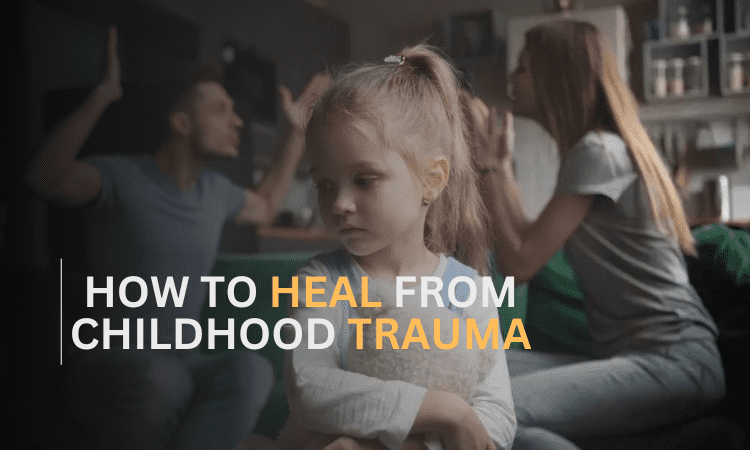
Childhood trauma can be described as an event in a child’s life that is distressful or unpleasant and can have long-term effects on psychological and emotional well-being. Such include things like physical, emotional, or sexual abuse, neglect, or witnessing violence among others. This understanding of how to heal childhood trauma is important for a healthier and more meaningful life. Dealing with and healing from childhood trauma is about more than just symptom management; it involves changing the impact of these early experiences on your current life. When they learn how to heal from childhood trauma, people are able to redefine their individuality, find better relationships, and become stronger. The following guide will explore effective methods and steps on how you can get healed from childhood traumas. A comprehension of these steps coupled with finding suitable assistance will enable you to commence the journey toward recovery and personal development. Is Your Trauma Affecting Your Daily Life? Let Us Help You Find the Path to Lasting Relief and Resilience. Begin Your Recovery Today 732-798-7743 What is Childhood Trauma? Childhood trauma occurs during infancy through age 18 years which includes exposure to violence, abuse (physical/sexual/emotional), or neglect. These events disrupt a child’s feeling of safety leading to long-term impacts on their emotional state as well as psyche. Childhood trauma refers to hurtful events that greatly affect a child’s growth and mental well-being. These include physical abuse, emotional maltreatment, neglect, and witnessing violence. Impact on Emotional and Psychological Well-Being The effect of childhood trauma can be severe and long-lasting as shown by the following: Anxiety and Fear: Anxiety and fear that do not go away Self-Esteem: Feeling bad about self or low self-esteem Trust Issues: Difficulties in forming and maintaining relationships” Emotional Management: Problems with controlling feelings or dealing with stress. Post-Traumatic Stress: Symptoms similar to those seen in post-traumatic stress disorder (PTSD), such as flashbacks or distress” Knowing how to heal from childhood trauma entails addressing these impacts by seeking assistance for improved emotional and psychological well-being. What are Adverse Childhood Experiences? Adverse Childhood Experiences (ACEs) are stressful or traumatic events experienced during childhood that may have lifelong effects on health. Understanding ACEs is essential for understanding how to heal from childhood trauma. Explanation of Adverse Childhood Experiences (ACEs) ACEs are negative experiences or situations that interfere with a child’s sense of safety leading to emotional, psychological, and physical harm. These experiences are significant because they can shape how individuals manage stress and relate to others throughout their lives. Examples and Categories of ACEs Abuse: When caregivers or others make physical, emotional, or sexual abuse Neglect: Absence of fundamental necessities like food, shelter, and moral support Household Dysfunction: This can mean domestic violence, substance use disorders, mental illness, or criminal activity within the family. Parental Separation or Divorce: Emotional anguish brought about by a split in the family unit. Loss of a Parent: Occurs when one’s father/mother dies leading to mourning and instability in life. The way to heal from childhood trauma entails discerning these negative events and their ramifications. By identifying and working through ACEs people can begin to mend themselves and develop more resilient lives. Types of Childhood Trauma Childhood trauma has many forms each having its unique influence on emotional as well as psychological health. Consequently, comprehending these types is critical for proper healing from childhood trauma. Physical Abuse Comprises hitting children with objects such as belts, Resulting in injuries that last forever emotionally. Emotional Abuse Encompasses verbal assaults, threats as well as constant criticism, Which may lower one’s self-esteem and cause someone to be unstable emotionally. Neglect Failure to provide basic human needs like food, shelter, and love indicates that parents have neglected their children. The long-term results of neglect are feelings of worthlessness. Sexual Abuse This occurs when there is inappropriate sexual behavior or exploitation. It can cause deep psychological trauma and leave a child feeling unsafe. Witnessing Violence or Abuse These can include domestic violence, bullying, or community violence. This may result in fear, anxiety, and lack of trust toward others. Other Traumatic Experiences For instance, parental divorce, loss of loved ones, and natural calamities can form part of traumatic occurrences that children undergo. Such happenings destabilize the normalcy and sense of security for a child. Knowing what kinds of childhood traumas are involved is seen as one important stage in the process of healing childhood trauma. Addressing each type may allow individuals to make sense of their own experiences and begin the recovery process. How to Identify Adult Childhood Trauma To heal from adult experiences with childhood trauma, it is essential to recognize these signs. Here are some common signs and symptoms to look for: Common Signs and Symptoms Recurring flashbacks or vivid memories triggered by something that reminds you about past traumatic experiences. Anxiety/Depression: Constantly being sad/worried without knowing why. Reliability Problems in Relationships with Other People Emotional and Behavioral Indicators: Emotional Instability: Mood swings or intense anger. Self-Destructive Behaviors: Substance abuse or risky activities such as drug abuse Avoidance: Refraining from anything resembling triggers. Impact on Relationships and Daily Life: Problems in relationships are associated with an inability to trust or share intimacy. Issues in daily functioning include struggling with work or self-care. Difficulties in managing stress come from overreacting to it. It is important to identify these signs for a better understanding of how to heal from childhood trauma. Once we know these symptoms, strategies for recovery can be developed as well as how overall wellness may be improved. How to Heal from Childhood Trauma There are several steps involved when healing from childhood trauma. Here is an easy guide on how one can effectively deal with childhood trauma: Acknowledgment and Acceptance: Let your life be affected by the fact that you have had a traumatic experience in your childhood. Recognizing the existence of this kind of trauma is the first step towards knowing how to heal from childhood trauma. Seeking Professional Help: Consult therapists or counselors who specialize in traumatology. Knowing
Mixing Tramadol and Alcohol: Understanding the Risks and Dangers
Tramadol, a prescription pain medication, and alcohol, a common beverage, seem like an unlikely duo. Yet, situations may arise where someone is prescribed tramadol and also consumes alcohol. For example, you might go to a party after visiting the doctor, or you might be dealing with pain and want to relax with a drink. Whatever the reason, it’s critical to understand the significant risks and dangers associated with mixing tramadol and alcohol. This blog is dedicated to informing you about the potential consequences of this combination, empowering you to make safe and responsible decisions regarding your health. What is Tramadol? Tramadol is a prescription pain medication belonging to a class of drugs called opioid analgesics. Opioid analgesics are medications derived from or act similarly to opium, known for their powerful pain-relieving properties. However, unlike some other opioids, tramadol also has weak effects on serotonin and norepinephrine, neurotransmitters in the brain that influence mood and perception of pain. Medical Uses of Tramadol Tramadol is primarily prescribed to manage moderate to moderately severe pain, often following surgery, injuries, or chronic pain conditions like arthritis. Due to its milder opioid effects compared to other options, it may be a suitable choice for individuals who cannot tolerate stronger pain medications or who require a medication with a lower risk of dependence. Common Medical Applications Post-surgical pain management Pain relief from injuries (sprains, fractures) Chronic pain management (arthritis, back pain) Nerve pain Important Considerations: It’s important to be aware of the potential side effects and risks associated with tramadol use. These can include: Drowsiness and dizziness Nausea and vomiting Constipation Headache Seizures (at high doses) Difficulty breathing (rare) Dependence and addiction (with prolonged use) Due to these potential risks, tramadol should only be taken under the supervision of a doctor and exactly as prescribed. It’s crucial to disclose any other medications you’re taking, as tramadol can interact with certain drugs and increase the risk of severe side effects. What is Alcohol? Alcohol, also known as ethanol or ethyl alcohol, is a psychoactive substance found in fermented beverages like wine, beer, and liquor. It’s the intoxicating ingredient responsible for the effects people experience after consuming alcoholic drinks. Common Forms of Alcohol Ethanol (Ethyl Alcohol): This is the type of alcohol present in alcoholic beverages and the one that produces intoxicating effects. Methanol (Methyl Alcohol): This is a highly toxic form of alcohol and can be fatal if consumed. It can be found in industrial products and should never be ingested. Social and Recreational Use Alcohol consumption is deeply ingrained in many cultures and social settings. People enjoy alcoholic drinks for various reasons, including: Relaxation and stress relief Social lubrication and enjoyment at gatherings Cultural or religious celebrations Part of a meal pairing with certain foods Potential Side Effects and Risks While moderate alcohol consumption for some individuals may not pose a significant health risk, excessive or regular drinking can lead to a range of negative consequences: Impaired judgment and coordination: Alcohol affects the central nervous system, leading to poor decision-making, slowed reflexes, and increased risk of accidents or injuries. Liver damage: Long-term heavy drinking can damage the liver, leading to cirrhosis, a severe and potentially life-threatening condition. Addiction: Regular alcohol use can lead to dependence and addiction, characterized by a strong urge to drink despite negative consequences. Increased risk of certain cancers: Excessive alcohol consumption is linked to an increased risk of developing certain types of cancer, including mouth, throat, liver, and breast cancer. Mental health problems: Alcohol abuse can exacerbate or contribute to mental health issues like anxiety and depression. Accidents and injuries: Alcohol impairment is a major factor in drunk driving accidents, falls, and other preventable injuries. Understanding the potential side effects of both tramadol and alcohol is crucial before considering consuming them together. Interactions Between Tramadol and Alcohol Alcohol, a central nervous system (CNS) depressant, enhances the effects of gamma-aminobutyric acid (GABA) in the brain, leading to sedation and reduced neural activity. When tramadol and alcohol are consumed together, their CNS depressant effects can potentiate each other, leading to enhanced and prolonged sedation, respiratory depression, and impaired motor and cognitive functions. Effects of Combining Tramadol and Alcohol Combining tramadol and alcohol can lead to harmful effects, including: Enhanced Sedation: Profound drowsiness, making it difficult to stay awake or alert. Increased Impairment: Significant impairment of cognitive and motor functions, raising the risk of accidents and injuries. Heightened Euphoria: Intensified euphoric effects, potentially leading to misuse and dependence. Increased Risk of Overdose and Adverse Reactions The combined use of tramadol and alcohol significantly increases the risk of overdose. Both substances depress the CNS, and their interaction can result in: Respiratory Depression: The suppression of respiratory function can become severe, leading to dangerously slow or shallow breathing, which can be fatal. Cardiovascular Collapse: Both substances can lower blood pressure and heart rate, potentially leading to fainting, shock, or cardiac arrest. Seizures: Tramadol lowers the seizure threshold, and alcohol can exacerbate this effect, increasing the likelihood of convulsions. Impact on Cognitive and Motor Functions The interaction between tramadol and alcohol can have a profound impact on cognitive and motor functions: Cognitive Impairment: Combining these substances can lead to confusion, impaired judgment, memory problems, and difficulty concentrating. Motor Impairment: Coordination, balance, and reaction times are adversely affected, increasing the risk of falls, motor vehicle accidents, and other injuries. Influence on Respiratory and Cardiovascular Systems The depressant effects on the respiratory and cardiovascular systems are among the most dangerous interactions between tramadol and alcohol: Respiratory System: The risk of respiratory depression is significantly heightened, potentially leading to hypoxia (insufficient oxygen reaching the tissues) or respiratory arrest. Cardiovascular System: Both substances can lower blood pressure and heart rate, compounding the risk of severe hypotension (dangerously low blood pressure) and bradycardia (abnormally slow heart rate). The combination of tramadol and alcohol poses significant health risks, including enhanced sedation, cognitive and motor impairment, increased risk of overdose, and severe respiratory and cardiovascular depression. Individuals prescribed tramadol should be advised to avoid
Ketamine Treatment: Effective Therapy Guide & Insights

Key Takeaways Ketamine therapy is an alternative treatment for certain mental health conditions like treatment-resistant depression and anxiety. Ketamine helps your brain form new neural connections to ‘rewire’ itself and potentially reduce the symptoms of depression, anxiety, and other mental health conditions. In the days following treatment, self-care like getting good sleep and eating healthy food is critical. Knowing the risks and proper considerations ensures safe and effective treatment. The cycle of addiction can end, but you have to take the first step! Therapies like CBT and Motivational Enhancement Therapy provide the tools you need to quit marijuana for good. Get expert help 732-798-7743 Ketamine Treatment Explained Ketamine therapy means giving a carefully measured dose of ketamine, a medicine usually used to help people sleep during surgery. Unlike other treatments, ketamine affects certain parts of the brain called NMDA receptors, which help control mood. This can lead to quick improvement in how some people feel, sometimes just hours after the treatment. The Science Behind Ketamine’s Effects on the Brain Why does ketamine work where other treatments may fail? It’s because ketamine can actually help your brain form new neural connections. This ability to promote neuroplasticity means it might help your brain ‘rewire’ itself, potentially providing relief from the symptoms of depression, anxiety, and other conditions. Managing Your Ketamine Therapy Experience Before your first session, you’ll meet with a healthcare provider to discuss your medical history and mental health. They’ll explain how ketamine works and what you might experience during the treatment. It’s important to go into this with an open mind and realistic expectations. During the session, you’ll be in a comfortable setting, and your vital signs will be monitored to ensure your safety. Aftercare Strategies: Post-Treatment Best Practices After your ketamine session, you’ll need time to rest and process the experience. You should have someone you trust to take you home and stay with you for a while. In the days following treatment, self-care is key. That means good sleep, healthy food, and maybe some gentle exercise, like walking. Risks and Considerations of Ketamine Treatment While ketamine therapy has opened doors for many, it’s not without its risks and considerations since it’s not a one-size-fits-all solution. Your unique health profile plays a significant role in determining whether ketamine is a safe option for you. This is why a thorough evaluation by a healthcare professional is non-negotiable. Secondly, because ketamine can cause dissociative effects, the setting and support during treatment are crucial. This isn’t something to be taken lightly or without medical supervision. Besides that, it’s important to consider the potential for ketamine addiction and abuse and ensure that the treatment plan includes safeguards against this. Consult with a medical professional before considering ketamine therapy. Ensure the treatment is administered in a controlled, clinical environment. Be aware of the potential for dissociative experiences during treatment. Discuss any history of substance abuse with your healthcare provider. Consider the cost, as many insurance plans do not cover ketamine therapy. Understanding the Side Effects During the infusion, you might experience sensations of floating, tingling, or mild hallucinations. These effects typically subside quickly after the session ends. Nausea or vomiting Increase in blood pressure during the infusion Feelings of dissociation or unreality during treatment Temporary confusion or disorientation Most of these side effects are short-lived, but it’s essential to report any persistent or troubling symptoms to your healthcare provider immediately. Make sure you choose a reputable treatment center with experienced medical staff, like Avisa Recovery, to minimize risks and ensure the best possible care. When Ketamine Might Not Be Right for You Despite its potential, ketamine therapy is not suitable for everyone. If you have a history of psychosis or severe heart conditions, ketamine might not be the safest choice. It’s also not recommended for pregnant women or individuals with untreated high blood pressure. Maximizing the Benefits of Ketamine Treatment To get the most out of ketamine therapy, you need to also take care of your body, nurture your mind, and foster a supportive environment. By integrating healthy habits and supportive therapies, you can build a strong foundation for ketamine therapy to work its best. So make sure you’re well-rested, nourished, and mentally prepared – it can make a significant difference in your treatment outcome. Combining Therapy with Ketamine: A Synergistic Approach Combining ketamine with psychotherapy can enhance the treatment’s effectiveness. At Avisa Recovery, we offer a comprehensive treatment plan that includes psychotherapy to support and extend the benefits of ketamine therapy. Together, these modalities can help you process experiences, develop coping strategies, and solidify the positive changes initiated by ketamine treatment. Lifestyle Changes to Support Treatment Success Aside from the treatment itself, your lifestyle plays a significant role in supporting your mental health. Simple changes can have a profound impact on the effectiveness of ketamine therapy. For instance, regular exercise, even something as gentle as walking, can boost your mood and improve sleep. Eating a balanced diet rich in nutrients supports overall brain health, while mindfulness practices like meditation can reduce stress and enhance emotional well-being. Creating a routine that includes these healthy habits can help lay the groundwork for recovery. Just make small, consistent choices that support your journey to wellness. Read More: Integrating Alternative Treatments with Ketamine Therapy for Well-Being Choose Avisa Recovery for Effective Ketamine Treatment If you are struggling with both substance use disorders and major depression, finding effective treatment is crucial. Avisa Recovery offers Spravato, a medication specifically designed for treatment-resistant depression, along with comprehensive support strategies. Our experienced professionals are dedicated to helping you overcome the challenges of depression that conventional treatments may not address. For effective ketamine treatment in New Jersey and comprehensive mental health services in Ocean County, reach out to Avisa Recovery today. Tired of fighting addiction and mental health struggles? Ignoring both deepens the struggle. Our holistic approach—detox, therapy, and medication-assisted treatment—can help you heal. Take the first step today. Heal with Avisa Today! Frequently Asked Questions (FAQ) How Quickly Can I