
Perfectionism and Anxiety: How to Manage and Cope with It?
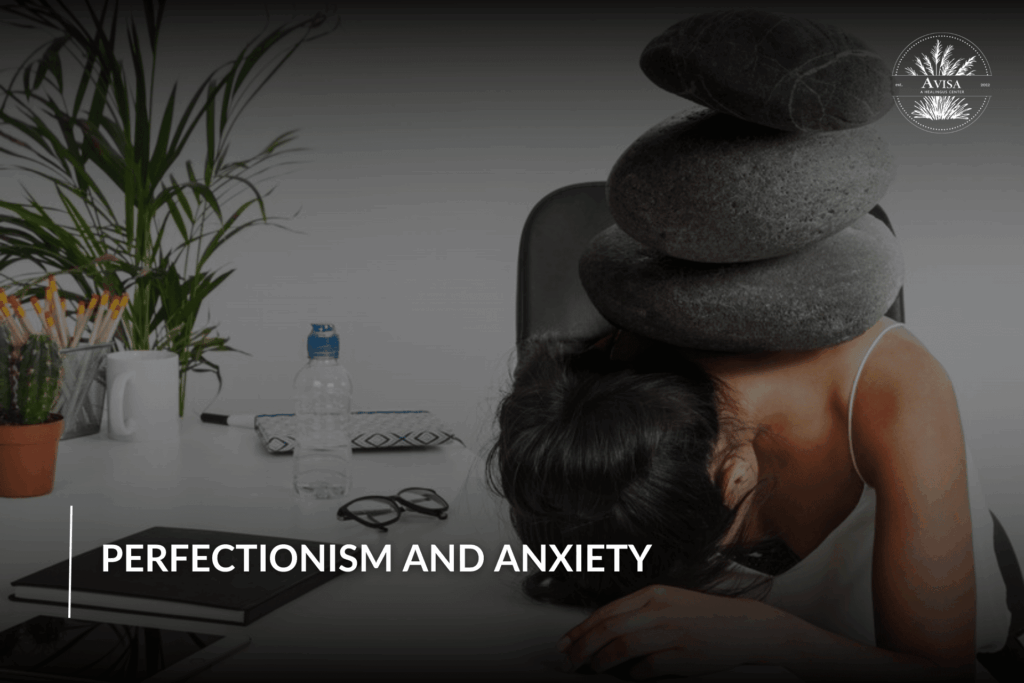
Perfectionism and anxiety often go hand in hand. It creates a tough cycle and keeps you stuck in a loop. If you’re someone who constantly pushes yourself to meet sky-high expectations but ends up feeling anxious when you fall short, you’re not alone. According to the National Institute of Mental Health, Perfectionism is closely connected to anxiety, which affects about 1 in 5 adults in the U.S. each year. The truth is, while striving for excellence is great, perfectionism can be tricky. It’s not just about wanting to do well—it’s about being afraid to fail. The fear of failure pushes you, but the pressure to be perfect leaves you stressed and restless. Over time, this struggle can take over your daily life, making even small tasks feel harder than they should. And that fear can make things harder, leaving you anxious, drained, and unsure of how to break free. Sue Miller, an American novelist, shares her story on our podcast about dealing with tough habits and feeling lost. She talks about the pressures from her family and struggles with mental health. Her journey connects with those who face emotional challenges and societal pressures. Just like Sue found healing by being open and seeking support, people dealing with stress and perfectionism can also improve by focusing on both their minds and body. In this article, let’s explore what perfectionism and anxiety are and how to manage it so that you can find balance, peace, and confidence without the weight of unrealistic standards. You ARE More Than What Anxiety Makes You Feel! With inpatient therapy, outpatient support, and holistic treatments like meditation and yoga, you reclaim your life. The first step is right here 732-798-7743 Perfectionism and Anxiety: Understanding the Correlation Perfectionism and anxiety feed each other. The pressure to meet perfect standards causes stress, while anxiety amplifies the fear of failure. Together, they create a cycle that feels difficult to break. Let’s first understand what anxiety and perfectionism mean. What is Anxiety? Anxiety is a natural response to stress or danger, but it can sometimes become too much to handle. It’s a state where you feel constant worry, fear, or unease, even when there’s no clear threat. In the U.S., over 40 million adults experience anxiety, making it one of the most common mental health concerns. Anxiety affects your thoughts, making you overthink or expect the worst, and your body, causing symptoms like: Restlessness Irritability Fatigue Tension Sweating Nausea Palpitations Dizziness Sleeplessness Sometimes, anxiety has a clear cause, like a specific fear. But for some people, anxiety feels constant or without a clear reason, often leading to conditions like generalized anxiety disorder (GAD). What is Perfectionism? Forbes says that 92% of people are affected by perfectionism. Perfectionism is the constant drive to meet overly high standards, often at the cost of personal happiness. A perfectionist believes their efforts are never good enough and sees every task as a chance to fail. They set rigid goals and measure their success by those impossible standards. Perfectionists often seem to display symptoms like: Self-criticism Fear of failure Overthinking Procrastination Burnout Low self-esteem Difficulty accepting mistakes This mindset can start early in life. Even children may struggle with perfectionism, feeling that they must be perfect to feel valued or successful. What is the Perfectionism and Anxiety Cycle? Studies show that perfectionism is linked to higher levels of anxiety and mental health issues like OCD, social anxiety, and PTSD. Here is how perfectionism and anxiety are closely linked: Unrealistic Standards Perfectionists often set impossible goals, believing anything less than perfect is a failure. Fear of Failure When they don’t meet these goals, anxiety kicks in, causing worry and self-doubt. Escalating Anxiety This anxiety grows stronger as the fear of not being good enough builds. Avoidance of Mistakes To prevent failure, perfectionists might avoid challenges, increasing their anxiety about not meeting expectations. Chronic Self-criticism As anxiety increases, so does self-criticism, making it harder to cope with everyday tasks. Experts explain that perfectionism is often a way to cope with anxiety, but it usually makes things worse. The more someone strives for perfection, the more anxious they become, and the harder it is to meet their expectations. This ongoing cycle can be draining, but understanding it is the first step to breaking free. What Causes Perfectionism and Anxiety? Perfectionism and anxiety can both be influenced by a mix of environment and genetics. While it’s common to feel the pressure to be perfect at times, making it a constant mindset can be harmful to both yourself and your relationships. Some potential causes of perfectionism and anxiety include: Attachment trauma in childhood Unrealistic parental expectations Punitive behavior or harsh punishment from parents for unmet expectations Mental health disorders, including anxiety and OCD How to cope with Perfectionism and Anxiety If you’re feeling stuck in the loop of perfectionism and anxiety, there is hope. We have listed the best ways to manage and feel better. Here are 7 helpful tips to help you cope: 1. Identify Your Perfectionist Tendencies Recognizing your perfectionist behaviors is the first step to coping. Ask yourself: Are your high standards affecting your relationships or making everyday tasks harder? Once you identify what triggers your anxiety, it’s easier to change those habits. 2. Set Small Goals Instead of trying to do everything perfectly, break tasks into smaller, manageable goals. This makes them easier to achieve and helps reduce the pressure you’re putting on yourself. Remember, progress is better than perfection. 3. Practice Self-Compassion Treat yourself with kindness, just as you would a friend. Mistakes are part of life, and being gentle with yourself helps you accept your imperfections without judgment. Try journaling or speaking kindly to yourself when you feel anxious. 4. Mindfulness & Meditation Take a moment each day to focus on your breathing and stay present. Meditation helps calm the mind and can reduce the stress that perfectionism causes. Even a few minutes can make a big difference in how you handle anxiety. 5.