
Understanding Treatment for Multiple Personality Disorder: What Works Best?
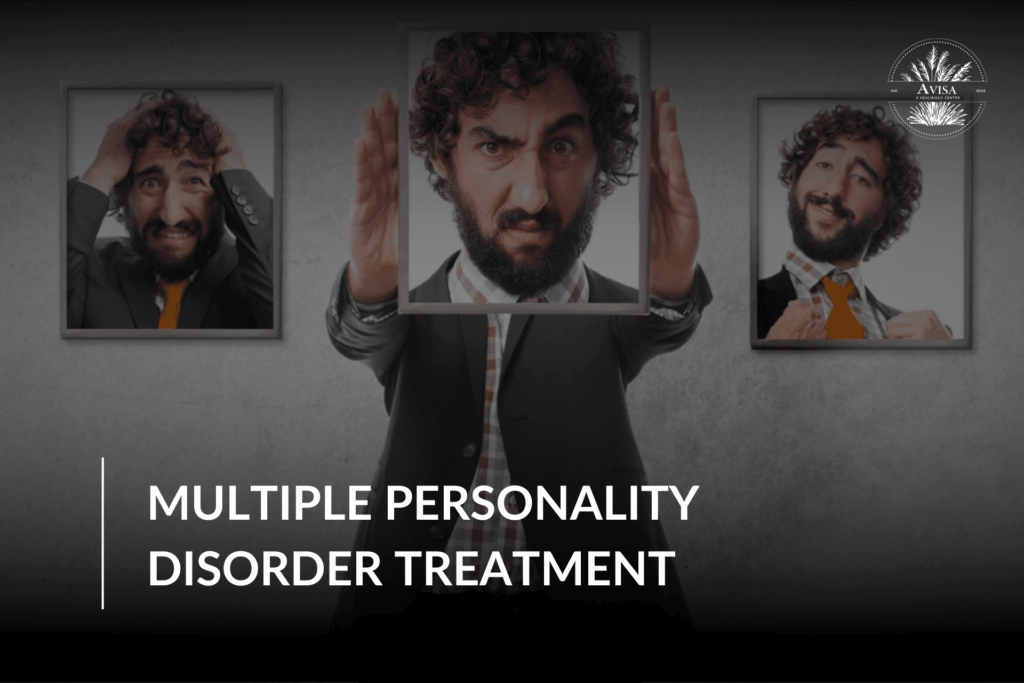
Multiple personality disorder is a mental health condition where a person has two or more different identities. Each identity may have its way of thinking, feeling, and behaving. It’s a very rare condition and affects about 1.5% of the global population. This condition is often linked to childhood trauma, where the mind tries to protect itself by creating different identities. While there isn’t a cure, multiple personality disorder treatment can help people bring their identities together and feel in control. In this blog, we’ll talk about multiple personality disorder treatments, symptoms & causes of this mental illness, along with the best approaches available. Take the first step toward integration and inner peace! With therapies like CBT, DBT, and Eye Movement Desensitization and Reprocessing (EMDR), healing is possible. Time To Heal Is Now 732-798-7743 Understanding Multiple Personality Disorder Multiple Personality Disorder, often known as Dissociative Identity Disorder (DID), is a complex mental health condition where a person has two or more distinct identities, known as “alters.” These identities can take control at different times, each with its history, personality traits, and preferences. It’s a severe form of dissociation, which happens when your mind disconnects from your thoughts, memories, feelings, or sense of identity, often as a way to cope with intense trauma or pain. This creates noticeable gaps in memory, thoughts, and behavior, which can make daily life challenging and distressing. While there isn’t a single cure, consistent treatment helps people manage and integrate their identities. Therapies focus on assisting individuals in processing trauma, reducing dissociation, and creating a sense of wholeness. Multiple personality disorder is one of several dissociative disorders that disrupt your connection to reality. Types of Multiple Personality Disorder Possession Type This feels like an outside force or spirit has taken control of your body. Others might notice you speaking or acting completely differently. This switch happens without your control and often feels unwanted. Non-possession Type This is less obvious to others. You might feel a sudden shift in who you are, like watching yourself in a movie rather than being in control of your actions, emotions, or words. It’s important to note that possession in cultural or religious practices is different and not linked to Multiple personality disorder, as those are voluntary and intentional experiences. Causes of Multiple Personality Disorder The leading cause of Multiple personality disorder is often linked to severe stress or trauma during early childhood, especially before the age of 6. Studies show that as many as 90% of people with dissociative disorders have experienced recurring, life-threatening trauma during their early years. This could include emotional neglect, physical or sexual abuse, or growing up in a frightening and unpredictable environment. These experiences can disrupt personality development and lead to dissociation as a coping mechanism. In some cases, Multiple personality disorder may also develop from persistent emotional neglect, even if there wasn’t physical or sexual abuse. Children in unsafe or unstable households are more likely to dissociate as a way to escape overwhelming situations. Triggers for Multiple personality disorder symptoms can include: Leaving a stressful or traumatic environment. Seeing loved ones reach the same age as when the trauma occurred. Experiencing a recent traumatic event, like a car accident. The loss or illness of someone tied to the past trauma. These triggers can bring up painful memories or emotions, making Multiple Personality Disorder symptoms more noticeable. Symptoms of Multiple Personality Disorder The most noticeable symptom of Multiple Personality Disorder is when a person’s identity splits into at least two separate identities or personality states. Other symptoms may include: Multiple Personality Disorder can come with a range of symptoms that affect how a person feels and behaves. Apart from the ones mentioned, here are a few others: Dissociative Amnesia A type of memory loss where you forget more than just small things. It’s not linked to any medical issue. Dissociative Fugue This is when you forget personal details about yourself and may even wander off or feel disconnected from your emotions. Blurred Identity You may feel like you have multiple personalities inside your head as if different identities are controlling you. Feeling Disconnected from Reality Sometimes, people with Multiple Personality Disorder might feel detached from their thoughts or surroundings, as if they’re watching themselves from outside their bodies. Sudden Changes in Behavior Or Mood You might experience shifts in behavior, emotions, or preferences that seem out of place or beyond your control. If you experience these symptoms, it’s important to seek support. With multiple personality disorder treatments, it’s possible to manage and understand Multiple Personality Disorder better. Effective Multiple Personality Disorder Treatment Approaches There’s no one-size-fits-all approach to Multiple personality disorder treatment. Doctors typically create treatment plans tailored to each individual. Since there isn’t a specific medication for Multiple Personality Disorder itself, doctors may prescribe drugs to address other symptoms or conditions related to the disorder. The treatment usually combines psychotherapy, like talk therapy, with medications to help manage the symptoms and improve the quality of life. The best treatment options available are: Cognitive Behavioral Therapy (CBT) CBT helps in identifying and challenging negative thought patterns, replacing them with healthier, more realistic ones. Dialectical Behavior Therapy (DBT) DBT focuses on four key skills: managing overwhelming emotions, mindfulness (staying present), effective communication, and regulating emotions. Psychodynamic Psychotherapy This therapy explores how past experiences affect current behavior, aiming to bring unconscious patterns to light. Eye Movement Desensitization and Reprocessing (EMDR) EMDR works by processing traumatic memories with eye movements to reduce distress and promote memory integration. Schema Therapy It aims to identify and heal negative mental patterns formed from past trauma, helping develop healthier coping mechanisms. Hypnotherapy It uses hypnosis to uncover memories or emotions, helping people understand and manage their dissociative symptoms. Medication for Multiple Personality Disorder Although no specific medication exists to treat Multiple Personality Disorder directly, medication can help manage symptoms related to the disorder, such as anxiety, depression, and mood swings. Doctors may prescribe the following: Anti-anxiety Medications: It helps to reduce the