
Loving Someone with Paranoid Personality Disorder: Dos and Don’ts for a Stronger Bond
Trust is the backbone of a strong and long-lasting relationship. But loving someone with paranoid personality disorder, trust isn’t just hard, it feels impossible. No matter how much love and reassurance you give to your partner, doubt still lingers in their mind. It’s not that they don’t care, it’s that their mind is wired to expect betrayal, even when there’s no reason for it. One moment, everything is fine, the next, you’re defending yourself against accusations coming out of nowhere. But here’s the truth: this isn’t about a lack of love, it’s about the way their mind processes fear and uncertainty. Mental health is increasingly part of the public conversation, yet stigma still surrounds many conditions, especially personality disorders. Studies suggest that 0.5% to 4.5% of people in the U.S. may suffer from PPD. However, since it’s not widely studied or frequently diagnosed, the actual number could be even higher. Among them, paranoid personality disorder (PPD) remains misunderstood, often leading to isolation for those affected and frustration for their loved ones. Loving someone with paranoid personality disorder means loving someone whose mind sees threats out of thin air. In this article, we will help you understand how to accelerate relationships affected by paranoid personality disorder, rebuild trust, and support mental wellness. What is Paranoid Personality Disorder? According to the NIH, Paranoid Personality Disorder (PPD) is a mental health condition marked by deep mistrust and suspicion of others. This ongoing pattern often starts in early adulthood and can make social interactions difficult. People with PPD may also have a higher risk of developing anxiety and depression. It’s a condition where a person is deeply suspicious of others, often without reason. They tend to see hidden motives in everyday interactions, making it hard for them to trust even close friends and family. Some common signs include: Constantly questioning others’ intentions Struggling to confide in people, even loved ones Overanalyzing casual comments or situations in a negative way Holding grudges for a long time Feeling easily hurt or offended Getting angry or defensive over small things Seeking constant reassurance but never truly feeling at ease If you are loving someone with paranoid personality disorder, you must notice that they don’t always realize their thoughts and behaviors are unusual. Since trust issues can sometimes be based on real-life experiences, they may feel justified in their suspicions. But over time, this mindset can damage relationships and make it difficult to connect with others healthily. The Impact of Paranoid Personality Disorder on Relationships Paranoid personality disorder (PPD) can make relationships incredibly challenging. At its core, PPD causes a deep fear that others are out to deceive or harm them even when there’s no real evidence. This constant suspicion makes it challenging to trust, whether in friendships, family bonds, or even professional relationships, including medical and mental health care. In romantic relationships, this can show up as unfounded jealousy or constant doubts about a partner’s loyalty. Someone with PPD might be convinced their partner is cheating, even without any proof. However, simply questioning a partner’s faithfulness doesn’t automatically mean someone has PPD. What sets it apart is the persistent, unshakable distrust that affects every aspect of their interactions. This mindset affects relationships in several ways: Constant doubt Suspicion over small things Stubbornness Control issues Blame and criticism Over time, these challenges can lead to stress, frustration, and emotional distance. Without proper support, it may feel like walking on eggshells, trying to avoid conflict while struggling to build trust. The Dos: Building a Healthy Relationship Set Clear Boundaries Support and care matter, but so does your own well-being. Be clear about what’s okay and what’s not to keep the relationship healthy. Be Patient and Empathetic Their fears feel real to them. Instead of trying to “fix” their thoughts, acknowledge their feelings and create a sense of safety. Encourage, Don’t Push They may not be open to therapy, and that’s okay. Suggest it gently, and consider getting support for yourself too. Stay Connected with Others It’s easy to get caught up, but don’t lose touch with friends and family. Having your support system is important. The Don’ts: Avoiding Common Pitfalls Don’t Argue or Try To Change Their Mind Logic won’t always work. Instead of debating, listen and set clear boundaries. Don’t Take Accusations Personally Their suspicions come from fear, not from something you did. Stay calm and don’t get defensive. Don’t Enable Paranoid Behaviors Constantly reassuring them or changing your actions to avoid conflict only feeds the fear. Instead, focus on building trust. Don’t Forget About Yourself Being in a relationship with someone who has PPD can be draining. Take care of yourself and lean on your support system. Relationships with PPD aren’t easy, but with patience, understanding, and the right support, you can build a healthier life. Get Advanced Treatment At Avisa Recovery If you are loving someone with Paranoid Personality Disorder, Avisa Recovery offers a range of treatment options to support their journey to better mental health. Recovery isn’t one-size-fits-all, which is why we provide multiple pathways to healing, including inpatient care, outpatient programs, therapy, medication management, and more. Our experienced clinicians create personalized treatment plans that address both the emotional and medical aspects of PPD. Through individual therapy, family support, and structured programs, we help 20,000+ individuals regain control of their lives and relationships. No matter where you are in the recovery process, we’re here to help. Contact us today to explore the best treatment options for your loved one. FAQs Q. Can someone with Paranoid Personality Disorder have a successful relationship? A. Yes, while relationships can be challenging, they are possible with patience, clear boundaries, and professional support. Therapy and open communication can help improve trust and emotional connection. Q. What causes Paranoid Personality Disorder? A. The exact cause is unknown, but it is believed to be a mix of genetics, early childhood experiences, and environmental factors such as trauma or neglect. Q. Can Paranoid Personality Disorder get worse over time? A. Without treatment,
PPD Disorder Symptoms – Recognizing the Signs and Seeking Help
Being cautious is normal but when suspicion becomes a constant part of everyday life that even close relationships feel unsafe, it could be a PPD disorder symptom. It’s more than just a protective instinct. Studies suggest that PPD affects approximately 0.5% to 4.5% of the U.S. population, making it a relatively rare but impactful condition. Paranoid Personality Disorder (PPD) goes beyond ordinary wariness; it, it creates a constant fear that others are out to deceive, harm, or take advantage often without any real reason. Many people experience moments of doubt or mistrust, but for individuals with Paranoid Personality Disorder, suspicion becomes a constant part of their reality. They may struggle to confide in others, hold grudges, or even misinterpret harmless remarks as threats. This not only affects their personal relationships but can also make daily interactions difficult. Since PPD creates intense distrust, seeking help can be necessary for managing these thoughts and building trust over time. In this article, we will explore the PPD disorder symptoms, causes, and available treatments, helping to shed light on this complex mental health condition. What is Paranoid Personality Disorder (PPD)? Paranoid Personality Disorder (PPD) is a mental health condition where a person is always on high alert, convinced that others are trying to deceive, harm, or take advantage of them even when there’s no real reason to believe so. PPD is classified as a Cluster A personality disorder, a group known for unusual and eccentric thinking patterns. People with this condition tend to be overly cautious and interpret even the most harmless situations as threats. Some common signs of PPD include: Reluctance to confide in others, fearing their words will be used against them Holding grudges and refusing to forgive perceived wrongs Seeing hidden insults in casual conversations Reacting with anger or suspicion even when no harm is intended Studies suggest that PPD affects between 1.2% and 4.4% of people worldwide. However, treatment can be complex because those with PPD often struggle to trust mental health professionals. Therapy, when approached correctly, can help individuals with PPD build trust and develop healthier coping strategies, ultimately improving their quality of life. What Causes Paranoid Personality Disorder (PPD)? Research suggests that Paranoid Personality Disorder (PPD) develops due to a mix of biological and environmental factors like: Genetic Links PPD is more common in individuals with a family history of schizophrenia or delusional disorders, indicating a possible genetic predisposition. Early Childhood Influences Experiencing childhood trauma, such as abuse, neglect, or a highly unstable environment, may contribute to the development of paranoid thinking patterns. Social and Environmental Factors Certain life circumstances appear to increase the likelihood of PPD, including: Growing up in a low-income household Experiencing separation, divorce, or widowhood Never marrying Cultural and Racial Factors Some studies suggest that Americans, Native Americans, and Hispanic Americans are diagnosed with PPD at higher rates. Stress and trauma, particularly those linked to social and racial inequalities, may contribute to higher levels of distrust seen in certain communities. While some individuals may exhibit pathological paranoia, others may develop a heightened sense of caution and mistrust due to past experiences. Symptoms of Paranoid Personality Disorder (PPD) People with Paranoid Personality Disorder (PPD) see the world through a lens of suspicion. This constant wariness can make it difficult for them to build trusting relationships and navigate daily life. Common PPD disorder symptoms are: Mistrust of Others: They frequently doubt people’s intentions, believing others have hidden motives. Fear of Betrayal: They are reluctant to share personal information, fearing it will be used against them. Holding Grudges: They struggle to forgive and forget, keeping past conflicts alive in their minds. Extreme Sensitivity: They take criticism personally, often reading hidden insults in neutral comments. Hostile and Defensive Behavior: They feel easily attacked and may react with anger or stubbornness. Social Isolation: Their distrust makes it hard to form close relationships, leading to distance and detachment. Jealousy and Control Issues: They may accuse partners of infidelity without evidence and try to control relationships. Blaming Others: They struggle to see their own role in conflicts and often feel they are always right. Difficulty Relaxing: They are constantly on edge, making it hard to unwind or let their guard down. Clinical Evaluation of Paranoid Personality Disorder (PPD) According to the NIH, assessing Paranoid Personality Disorder (PPD) requires a detailed psychiatric evaluation, including a mental status examination (MSE). Behavior: Social withdrawal, hypervigilance, hostility, and suspicion; may be argumentative or accusatory. Affect: Labile, often hostile, stubborn, or sarcastic. Thought Content: Persistent mistrust, perceiving hidden threats in neutral events; brief psychotic episodes under stress. Assess for suicidal/homicidal ideation. Thought Process: Rigid, concrete thinking, reinforcing paranoia. Perception: Evaluate for hallucinations to rule out psychotic disorders or substance use. Cognition: Assess for deficits in memory, learning, and executive function, which may indicate schizophrenia. Since some symptoms of PPD overlap with other conditions like schizophrenia and borderline personality disorder (BPD), diagnosis can be challenging. However, recognizing these patterns early can help in seeking support and managing the condition effectively. Treatment Options for Paranoid Personality Disorder Managing PPD is challenging, as individuals often struggle with trust. However, with consistent therapy and structured support, symptoms can improve, leading to a better quality of life. Here are the treatment options that are widely practiced to treat PPD disorder symptoms: Psychotherapy Cognitive Behavioral Therapy (CBT) is the most effective approach for treating PPD. It helps individuals: Develop trust and reduce suspicion Improve self-esteem and communication skills Learn coping strategies to manage distress and negative thinking Strengthen personal and professional relationships. Medications While not the primary treatment, medications can help manage severe symptoms, especially if depression or anxiety is present. Anti-anxiety medications: Paxil, Celexa, Lexapro, Zoloft, Prozac. Antidepressants (SSRIs): Help regulate mood and emotional stability. Antipsychotics: Rarely used but may help in severe cases of paranoia. A combination of therapy and medication can lead to better long-term outcomes, improving daily functioning for individuals with PPD. Long-Term Outlook for Paranoid Personality Disorder The future for individuals with PPD disorder symptoms largely
Common Mood Stabilizers and Their Impact on Daily Life: Tips for Managing Side Effects
Not everyone experiences emotions the same way, some go from extreme highs to deep lows without warning. Around 40 million adults worldwide live with bipolar disorder and face unpredictable mood swings that disrupt daily life. To cope with this situation quickly, they take mood stabilizers, which help manage these highs and lows, creating a more balanced mental state. People struggle with extreme energy shifts which makes it hard to focus, maintain relationships, or stay productive. While these common mood stabilizers medications bring stability, they can also cause side effects like drowsiness, weight gain, or stomach issues. In this article, we’ll break down the benefits of mood stabilizers, their impact on daily life, and simple ways to manage side effects for a smoother experience. What Are Mood Stabilizers? Mood stabilizers are medications that help manage extreme mood swings, especially in bipolar disorder. They work in two ways treating current symptoms of mania and depression while also preventing future episodes from happening. Some are better at controlling manic highs, while others are more effective for depressive lows. These common mood stabilizers can be used alone or combined with other drugs, depending on the individual’s needs. But medication alone isn’t enough. According to the National Institute of Mental Health (NIMH), the best treatment includes both medication and therapy. Talking therapy helps people understand their emotions, develop coping strategies, and build a more stable life alongside medication. How Do Mood Stabilizers Work? The recent trends in neuroscience shows that common mood stabilizers work by adjusting certain brain chemicals responsible for mood and emotions. They regulate neurotransmitters like serotonin and dopamine, helping to create a more stable emotional state. Over time, this helps prevent extreme highs and lows, making daily life more manageable. Benefits of Using Mood Stabilizers Mood stabilizers can make a real difference in managing emotions and daily life. According to the National Institutes of Health (NIH), mood stabilizers can: Help control extreme mood swings in conditions like bipolar disorder. Reduce the frequency and intensity of manic and depressive episodes. Improve emotional stability, making daily life more manageable. Support brain chemical balance by regulating neurotransmitters. Lower the risk of relapse and hospitalization for mood disorders. Enhance overall quality of life by providing better emotional control. Work alongside therapy to create a more effective treatment plan. Reduce anxiety and impulsive behavior, leading to better decision-making. Improve focus and concentration, helping with work and personal life. Support long-term mental health when used under medical supervision. Common Mood Stabilizers Mood stabilizers help manage mood swings, prevent extreme highs and lows, and support emotional balance. They fall into three main categories: lithium, anticonvulsants, and antipsychotics. Lithium Lithium is a naturally occurring mineral that has been used for decades to treat mood disorders, especially bipolar disorder. It helps control manic episodes and prevent future mood swings. Since high levels of lithium can be harmful, regular blood tests are necessary to ensure safe usage. Anticonvulsants (Anti-Seizure Medications) Originally developed to treat epilepsy, these medications also help stabilize mood by regulating brain activity. Some commonly prescribed anticonvulsants include: Valproate (Depakote) Lamotrigine (Lamictal) Carbamazepine (Tegretol) Oxcarbazepine (Trileptal, Oxtellar) Antipsychotics with Mood-Stabilizing Properties Some second-generation antipsychotic medications also help in stabilizing mood, especially when combined with other treatments. These include: Olanzapine Quetiapine Aripiprazole Risperidone While common mood stabilizers medications help many people, they must be taken under medical supervision, as side effects and reactions vary. Always consult a healthcare provider for the best treatment plan. Impact of Mood Stabilizers on Daily Life Mood stabilizers can bring balance, but they also come with changes that impact everyday routines. Fluctuations in energy levels Some people feel more balanced, while others may struggle with fatigue or occasional restlessness. Adjusting your routine can help manage these shifts. Cognitive impacts Memory lapses, slower thinking, or difficulty concentrating can happen, especially when starting the medication. Staying organized and taking breaks can help. Work productivity Mood stabilizers can impact focus and motivation, making it harder to keep up with tasks. Finding a steady routine and setting realistic goals can improve efficiency. Lifestyle changes Sleep patterns, appetite, and social interactions may change. A healthy diet, regular exercise, and good sleep habits can ease these effects. Though these adjustments can be challenging, with time, support, and the right strategies, managing daily life becomes easier. Common Side Effects of Mood Stabilizers According to NIMH, mood stabilizers can cause significant, varied side effects. These can include: Constant thirst Frequent bathroom visits Unsteady hands or trembling Feeling nauseous or throwing up Slurred speech Irregular heartbeat Dizziness or fainting Blurry vision or vision changes Unusual thoughts or hallucinations Poor balance or lack of coordination Unexpected swelling in different body areas Skin irritation, like rashes or itching In rare cases, other side effects may also occur. Tips for Managing Side Effects Managing the side effects of common mood stabilizers can make daily life smoother. Simple habits like staying consistent with medication, eating well, and handling stress can help reduce discomfort. While some side effects fade over time, others may need adjustments in lifestyle or medication. Take your medication at the same time every day to maintain stability. Eat a balanced diet and stay hydrated to manage side effects. Find healthy ways to handle stress, like exercise or relaxation techniques. Get enough rest to support your mood and energy levels. Avoid alcohol and excessive caffeine to prevent unwanted reactions. If side effects feel overwhelming or unusual, consult your doctor. Small changes in medication or lifestyle can often make a big difference. Get Personalized Support for a More Stable Life At Avisa Recovery Managing mood swings isn’t just about taking a pill it’s about finding the right balance that helps you feel stable without unwanted side effects. The goal isn’t just quick relief but long-term well-being. At Avisa Recovery, we’re here to help you through it. Our team of experts creates treatment plans tailored to your needs, so you can find a coping strategy that actually works. With the right support, you don’t have to struggle alone.
Treatment for Mood Disorders: Lifestyle Changes to Improve Your Mental Health
We often hear how lifestyle can help you climb mountains if taken care of and can also make it difficult to even walk if neglected for the longest time. More than half of our activities determine our overall lifestyle including what we eat, how much we move our body, how often we consume toxic substances, our sleep quality, how much time we spend with our loved ones, etc. These activities then determine our physical and mental health conditions in the long run. Studies suggest that people find improved mental health when they change their lifestyle. This is primarily because how we spend our time apart from work decides our overall mood. This blog will help you identify some common symptoms of mood disorders, how lifestyle plays a crucial role in altering this, how you can make manageable tweaks in your daily life to improve your mental health, and how you can smartly combine these lifestyle changes with the appropriate treatment for mood disorders. Understanding Mood Disorders Mood disorders significantly impact a person’s thoughts, behaviors, actions, and overall health. These are a group of mental health conditions that point towards emotional disturbances. Some of the common types of mood disorders are: Major Depressive Disorder (MDD): Persistent sadness, loss of interest in activities, fatigue, and sleep disturbances are some of the common symptoms used to identify major depressive disorder. Bipolar Disorder (Type 1 & 2): Alternating episodes of extreme depression and mania/hypomania. Cyclothymic Disorder: Frequent mood swings, but not severe enough to be classified as bipolar disorder. Seasonal Affective Disorder (SAD): Depression that occurs in specific seasons, usually winter, due to reduced sunlight. Dysthymia (Persistent Depressive Disorder): Chronic low-grade depression lasting for years. In the next section, we will understand how lifestyle and mental health are linked and how they impact each other. The Connection Between Lifestyle and Mental Health On the macro level, lifestyle affects all our brain functions and hormonal levels and determines our neurotransmitter balance. They get altered once we adopt a lifestyle that regulates certain chemicals suitable for our cognitive health. Brain functions A healthy lifestyle supports neuroplasticity, decision-making abilities, and improved memory ultimately regulating emotions. A chronic cognitive decline is observed when a bad lifestyle is followed for a long time and hence, it can change the neurochemicals in our brains. Hormonal levels Hormones are chemical messengers responsible for regulating stress levels, emotions and motivation to do things. Cortisol, dopamine, serotonin, oxytocin and endorphins are some of the major hormones in our body that perform their functions well in an overall healthy body. Neurotransmitter balance They carry signals between nerve cells in the brain and control our emotions, thoughts, and behaviors. An imbalance in its functions can lead to depression, anxiety, and other major mental health issues. Altering your lifestyle can prove to be one of the effective treatment for mood disorders and would improve your mental health gradually. Key Lifestyle Changes to Improve Mental Health As we have seen previously key lifestyle changes can alter your brain chemistry, they can help you perform better at work, maintain good relationships and live an overall balanced life. Here are 6 audits you can do in your life and adapt to the lifestyle you are currently failing at. Regular exercise Enough body movement and regular exercises enhance cognitive abilities which results in increasing endorphins, commonly known as feel-good hormones, BDNF (brain-derived neuro factor), serotonin (happiness hormone), and dopamine (pleasure hormone) in our body. Balanced diet Eating protein-rich nutritious food helps maintain dopamine, and serotonin levels in our body. Omega-3 fatty acids are essential to reduce inflammation and increase brain cell communication. Found in flax seeds, walnuts, and fish, it’s important to consume them daily. Curing your nutritional deficiencies doesn’t have to be dependent on supplements but should be aimed to fulfill via whole foods. Quality sleep We often undermine how good quality sleep can help our brain to shut down and recover for the next day. Sleep generally happens in a 90-minute cycle and 4-5 such cycles are required to fully recover from stress, brain fog and unstable mood. Mindfulness meditation Observing your breath and sitting undisturbed may sound simple but it’s one of the most difficult things in today’s world where everything is moving at the speed of light. Meditation can help reduce cortisol levels, increase GABA (Gamma-aminobutyric acid) levels and regulate Glutamate responsible for cognitive function & focus Build Genuine connections Your mood automatically improves once you start spending time with people you care about, and feel heard, safe and comfortable. Isolating yourself can lead to an increase in depression, anxiety, and a decline in cognitive abilities. It’s found that spending quality time with people you love increases oxytocin. Cut off toxic substances Depending on toxic substances like alcohol, weed, cigarettes, etc. to enhance your mood is the worst way to deal with mood disorders because they give you short-term satisfaction and long-term addiction. Integrating Lifestyle Changes with Professional Treatment While lifestyle changes can impact a person’s physical and mental health, it’s often a long-term strategy and requires patience, and sheer determination. Sometimes, it becomes difficult for a person to inculcate lifestyle changes and wait until his mental health is improved. At Avisa Recovery, we understand how mood disorders can severely impact work, relationships, health, and finances, making it difficult for you to function daily. We start by understanding your symptoms, problems, and issues regarding various mood fluctuations in our mood disorder treatment centers. Our experts then craft a personalized treatment for mood disorders in the form of a recovery plan for you based on how much time you are willing to dedicate. We have something for everyone. Whether you are a professional who can dedicate 4-5 hours a day or someone available for 24 hours in our centers, we take care of you as we do for thousands of others. Reach out to our team today and let’s fix all your mood problems. Frequently Asked Questions (FAQs) Q. What drugs improve mood? A. Antidepressants such
Can ADHD Make You Tired? How to Cope with ADHD Fatigue and Improve Your Quality of Life
ADHD is a common yet often overlooked concern. You might have heard about hyperactivity and inattention, but have you ever wondered “Can ADHD make you tired?” Many people with ADHD struggle with exhaustion beyond just feeling sleepy. In fact, research suggests that 62% of individuals with ADHD experience chronic fatigue. ADHD isn’t just about hyperactivity or distraction, it can also drain your mental and physical energy. The constant mental juggling, emotional ups and downs, and difficulty with focus can leave you feeling wiped out, no matter how much rest you get. In this article, we’ll explore why ADHD fatigue happens, what causes it, and how you can manage it. Keep reading to understand the connection and find ways to control your energy! Understanding ADHD Fatigue It’s more than the typical tiredness you might feel after doing something physically draining. It’s more of an emotional and mental exhaustion. People with ADHD (Attention Deficit Hyperactivity Disorder) often experience a continued feeling of being tired, restless, and lazy to pick up tasks. To cure this, we need to understand the root cause of why this occurs, how an ADHD brain functions, processes information, and keeps up with daily tasks. Causes of ADHD-Related Fatigue ADHD fatigue can make even simple tasks exhausting. Here are some key causes you should watch out for: Restless sleep An ADHD brain struggles to switch off, making it harder to fall asleep and stay asleep. This constant cycle of broken rest leads to exhaustion the next day. Mental overload A normal brain finds it easier to remove distractions and stay focused as compared to an ADHD brain. This mental overload makes it harder to stay on track and hence requires additional energy to perform basic functions. Emotional dysregulation An ADHD brain doesn’t process emotions in a steady flow. Small frustrations can feel overwhelming, and excitement can be hard to control. This constant emotional up-and-down drains mental energy quickly. Sedentary lifestyle An ADHD brain often struggles with motivation to start moving. Hours can pass without realizing it, leading to low energy levels and making fatigue even worse. Burnout An ADHD brain doesn’t always recognize when it’s time to slow down. The cycle of hyperfocus and exhaustion continues until there’s no energy left to function. How ADHD Fatigue Impacts Daily Life ADHD fatigue makes simple tasks overwhelming. As a result, it impacts all aspects of an individual’s life and here’s how it can be observed: Feeling unmotivated to work despite tight deadlines and schedules Being automatic and mindless about your day Faces difficulty winding down at night Withdrawal from people around you due to lack of energy Increase in caffeine intake to stay awake Feeling lazy and out of energy most of the time Coping Strategies to Manage ADHD Fatigue ADHD fatigue can feel never-ending, but small lifestyle changes can make a big difference. Here are some simple strategies to help boost your energy and stay on track. Improve your sleep quality In addition to the number of hours you sleep, it’s equally important to ensure sleep quality. Some best practices for high-quality sleep include sleeping and waking up at the same time every day, avoiding all screens an hour before and after sleeping, and sleeping in a slightly cold temperature so that the body prepares to cool down naturally. Include movement in your daily schedule Moving your body throughout the day like walking after meals or exercising right after waking up, boosts your heart rate and helps you manage ADHD stress and fatigue. Including regular gym sessions can help you achieve your fitness goals too. Eat nutritious food Eating the right food helps maintain steady energy levels throughout the day. Include protein-rich food in your diet to stay full for a long time, build muscle, and keep up your energy levels. Swapping most of your meals of the day with fresh homemade and delicious food is an easier way to start Prioritize mental health Add activities to your routine that recharge your mental battery. Journaling, art, sports, music, and meditation are some activities that can help you regain control over lost thoughts, connect with yourself in the process, and bounce back stronger. Let Avisa Recovery Take Over Your ADHD Symptoms At Avisa Recovery, we understand that Attention Deficit Hyperactivity Disorder (ADHD) can significantly impact various aspects of your life, from personal relationships to professional achievements. Our dedicated team of medical and clinical experts is committed to providing comprehensive care tailored to your unique needs. We know how draining it can be and many people ask, can ADHD make you tired? The answer is yes. That’s why our holistic approach goes beyond just managing symptoms—it helps you restore your energy, find balance, and feel more in control of your life. We offer a personalized treatment plan that addresses your emotional, mental, physical, and spiritual well-being, ensuring a holistic approach to your recovery. Choosing Avisa Recovery means connecting with a community that evolves with the latest research and evidence-based practices. We believe in empowering you with self-awareness, self-discipline, and self-love, guiding you toward sustained recovery and an improved quality of life. Our multifaceted treatment plans are designed to help you regain control and thrive, making Avisa Recovery the ideal partner in your ADHD treatment journey. Frequently Asked Questions Q. How do I overcome ADHD fatigue? A. ADHD fatigue isn’t just about being tired—it’s mental exhaustion. Prioritize quality sleep, move your body daily, eat nutrient-rich food, and do activities like journaling or meditation to recharge your mind. Q. Do I have ADHD or am I just tired? A. Everyone gets tired, but ADHD fatigue feels constant. If you struggle with focus, motivation, or feel mentally drained despite rest, ADHD might be the cause. A professional can help you figure it out. Q. Do people with ADHD have a bad memory? A. Not exactly. ADHD makes it hard to filter distractions, so remembering details becomes tricky. It’s more about trouble with focus and recall, not necessarily a weak memory. Q. Why is ADHD
Decoding the Symptoms and Effective Treatments of OCD vs ADHD
OCD vs ADHD are often confused because they share some overlapping traits, but they are fundamentally different conditions. OCD (Obsessive-Compulsive Disorder) is driven by intrusive thoughts (obsessions) that lead to repetitive behaviors (compulsions) in an attempt to ease anxiety. While ADHD (Attention-Deficit/Hyperactivity Disorder), on the other hand, is characterized by difficulty focusing, impulsivity, and hyperactivity. Interestingly, scientific evidence shows that both conditions are linked to the same brain region, the frontostriatal circuit, but in opposite ways. In OCD, this area is overactive, In ADHD, it’s underactive. Despite their differences, both OCD and ADHD can significantly impact daily life. Both affect focus and behavior, but the causes and symptoms set them apart. In this article, we will walk through OCD vs ADHD, their core symptoms, effective treatment options, and how you can differentiate the disorders. Key Insights: OCD vs ADHD At first glance, OCD and ADHD might seem similar, but they’re actually very different conditions, each with its challenges. Recognizing these differences is key to getting the right diagnosis and support. Let’s understand what OCD vs ADHD really are, how they show up in daily life, and what sets them apart. What is OCD? Obsessive-Compulsive Disorder (OCD) is a mental health condition where unwanted, intrusive thoughts (obsessions) trigger repetitive behaviors or rituals (compulsions) meant to reduce anxiety. While these rituals may offer temporary relief, they often become a cycle that interferes with daily life. OCD can look different for everyone. Some people struggle with fears of contamination, leading to excessive cleaning, while others feel the need to check things repeatedly or arrange objects in a specific way. Some may experience distressing thoughts they can’t control, even if they know these fears are irrational. According to the International OCD Foundation (IOCDF), OCD affects about 1 in 100 adults and 1 in 200 children. While the exact causes aren’t fully understood, research suggests it stems from a combination of genetic, neurological, and environmental factors. OCD is more than just being overly clean or organized, it’s a serious condition that requires proper diagnosis and treatment. Fortunately, therapy, medication, and coping strategies can help individuals manage their symptoms and regain a sense of control. What is ADHD? Attention Deficit Hyperactivity Disorder (ADHD) is a neurodevelopmental condition that affects focus, impulse control, and activity levels. People with ADHD often struggle with staying attentive, managing their impulses, and regulating their energy, which can impact their performance at school, work, and in social situations. While commonly associated with children, ADHD can persist into adulthood, sometimes presenting differently as responsibilities grow. The key symptoms of ADHD fall into three categories: inattention, hyperactivity, and impulsivity. Inattentive symptoms might include difficulty staying focused, frequently misplacing things, or being easily distracted. Hyperactivity can appear as constant fidgeting, restlessness, or excessive movement. Impulsivity may show up as interrupting conversations, making snap decisions without thinking or struggling with self-control. ADHD isn’t caused by one single factor, genetics, brain development, and environment all play an equal role. According to research, around 7 million children in the U.S. have been diagnosed with ADHD, making it one of the most common developmental disorders. A proper diagnosis requires a thorough evaluation by a healthcare professional, but with the right support, individuals with ADHD can learn to manage their symptoms and thrive. Core Symptoms: OCD vs ADHD OCD and ADHD may share some overlapping traits, but their core symptoms set them apart. While OCD is driven by intrusive thoughts leading to compulsive behaviors, ADHD is marked by inattention, impulsivity, and hyperactivity. Let’s explore their key symptoms in detail. Symptoms of OCD OCD is considered an internalizing disorder, meaning individuals cope with anxiety by turning inward. People with OCD may experience persistent, distressing thoughts (obsessions) or feel compelled to perform certain rituals (compulsions) to ease their anxiety. Here are common OCD symptoms that differ from ADHD: Fear of contamination from germs, dirt, or illness. Unwanted, distressing thoughts about violence, harm, or taboo topics. Extreme concern with symmetry, exactness, or order. Persistent doubt (questioning if a door is locked even after checking). Intense fear of losing control and acting on aggressive or inappropriate impulses. Intrusive thoughts related to religion, morality, or personal responsibility. Symptoms of ADHD ADHD is an externalizing disorder, meaning it affects how individuals interact with their surroundings. Symptoms can vary widely, and some people may experience both inattentive and hyperactive traits. Here are common ADHD symptoms that differ from OCD: Difficulty sustaining attention in tasks or play activities. Often losing items necessary for tasks (keys, books, important materials). Frequently making careless mistakes due to lack of attention to detail. Restlessness or inability to stay seated in situations where it’s expected. Interrupting or intruding on others’ conversations or activities. Excessive talking and difficulty waiting for a turn to speak. Effective Treatment Approaches: OCD vs ADHD There is no single cure for OCD or ADHD, and what works for one person may not work for another. Because these conditions affect the brain in different ways, it’s important to consult a healthcare professional for an accurate diagnosis and a personalized treatment plan. Here are some treatment plans through which the disorders can often be managed effectively: Medication Doctors may prescribe medication to help manage symptoms of both OCD and ADHD. Stimulants (Ritalin, Adderall) Commonly used for ADHD to improve focus and reduce impulsivity. Non-stimulants (Strattera, Intuniv) Alternative ADHD treatments for those who don’t respond well to stimulants. SSRIs (Prozac, Zoloft) Typically prescribed for OCD to regulate serotonin levels and reduce obsessive thoughts. Tricyclic antidepressants (TCAs) and benzodiazepines Sometimes used for OCD when SSRIs aren’t effective. While medications can be helpful, they may also have side effects, and their effectiveness varies from person to person. This is why they are often combined with behavioral therapy for a more comprehensive approach. Therapy & Behavioral Interventions Psychotherapy is a key part of treatment for both OCD and ADHD. Cognitive Behavioral Therapy (CBT) helps individuals recognize patterns of thinking and develop healthier responses. For OCD, CBT often includes Exposure and Response Prevention (ERP), which
The Impact of PTSD on Pregnancy and Childbirth

Understanding PTSD in Pregnant Women Emotional turbulence is one of the major factors that govern how a woman will see this pregnancy in the long term. PTSD affects millions of people worldwide, but women experience it differently than men due to biological, psychological, and social factors. According to a study, women experience PTSD twice as likely as men. This indicates how prevalent is it for a woman to experience mental health disorders. 3.6% of pregnant women experience postpartum PTSD with a history of verbal abuse as one of the major factors. Understanding how to recognize this condition can help you or your loved one to get appropriate treatment and better support. Effects of PTSD on Pregnancy In addition to deteriorated mental health, PTSD in pregnant women can affect how her functions and might impact fetal development. Increased stress levels If a woman has a history of pregnancy-related stress, PTSD amplifies and haunts her at every step of the process. An increase in cortisol affects fetal development causing various complications in pregnancy and can lead to preterm birth, preeclampsia, or low birth weight. Obstacles in Prenatal Care PTSD in pregnant women can lead to a constant fear of something bad happening to themselves or their babies and often live in “what-if scenarios”. They avoid doctor visits, fear medicines, lack exercise, and often struggle with bonding with the baby as it reminds the woman of her bad days. High Chances of postpartum depression 1 in 7 women experiences postpartum depression in the United States. Women with traumatic births often fall for postpartum depression and PTSD making the situation worse. Nightmares, emotional numbness, and feeling detached are some of the common symptoms. How PTSD Affects Childbirth and Labor While thought of delivering a child scare most women, trauma can add to this fear negatively affecting childbirth and labor. Increased fear and anxiety Pregnancy and labor are painful. But for women with PTSD, it might turn into a lifetime nightmare. This can cause a heightened fear, sensitivity to doctors and medicines, a constant worry about the labor and hence, making labor more painful. Struggle with attachment to the newborn Emotional numbness and fear of losing the child can cause a detachment with the child embracing the failures, and connecting with the child on a deeper level. Flashbacks, panic attacks, anxiety- all can occur at the same time. Extreme or no pain sensations during labor Emotional numbness can also lead to heightened physical pain or no pain during labor. This is often caused by stressing too much about past events and having no time to process emotions. Women can also struggle to be involved in the labor process and is often a result of PTSD. Coping Strategies and Treatment Options PTSD in pregnant women is highly subjective according to her past experiences, the intention behind the pregnancy, and how she views the process. In any case, these are certain strategies that can help create a better experience for the woman. Therapy Trauma-focused therapy like EMDR (Eye Movement Desensitization and Reprocessing) and CBT (Cognitive Behavioral Therapy) can help process emotions and manage emotional distress. Also, working with a therapist experienced in perinatal mental health can address pregnancy-related fears and trauma and help you with useful techniques to cope with this. Prenatal-specific exercises Gentle prenatal yoga helps reduce stress, relax your body, and improve flexibility helpful in labor. Deep breathing and mindfulness exercises help regulate emotions and prepare for childbirth along with low-impact workouts like walking and swimming that can boost mood and reduce anxiety. Like-minded community Joining PTSD or pregnancy-related support groups (online or in-person) can help women feel less isolated. Talking to other women with similar experiences fosters emotional support and understanding. Educating close ones about PTSD ensures a supportive and stress-free environment. Seeking Support and Advocacy Something more useful and important than the right treatment is the support you get during the journey. Giving birth to a child is itself a hard process and PTSD just makes it harder. Here are some ways you can get the necessary support during the process. Have people by your side Half of the battles are won when you know people support you in your decisions and always help you get out of the crises. Your parents, siblings, friends, and mentors, once understand your concern, they try their best to help you out. Seek regular support, spend more time with them, and make memories that last forever while enjoying the new pregnancy stage. Choosing a comfortable gynecologist Choose a person who truly understands you, your past and all of your concerns related to this child and your concerns. A gynecologist stays with the mother for a lifetime and is more than just for delivering the baby. Prenatal care, understanding your unique problems, postpartum- the entire process is laid by this person and hence, she should be someone you trust without fail. Become self-aware For you to understand that you are dealing with PTSD, you need to observe your actions and make critical deductions as to why you are behaving the way you are. You need to so that you can deal with it without having any pregnancy complications How Avisa Recovery can help you Avisa Recovery provides innovative PTSD treatment in NJ, adopting a distinctive methodology. Our comprehensive, interdisciplinary, and integrated drug rehabilitation program is designed to empower individuals in conquering addiction and addressing its root causes. We are committed to delivering cost-effective, long-term support to our valued clients. We understand that every woman needs a personalized approach to a treatment and especially when we are talking about PTSD in pregnant women, this becomes a non-negotiable. We, at Avisa Recovery, create a customized plan for recovering your mental health and get you in the best mental shape before you start a new life with the newborn. You can reach out to our team for any assistance throughout the process and we are here to help you out. Frequently Asked Questions (FAQs) Q. Can you get PTSD while
Understanding the Unique Challenges of Women and PTSD
Imagine carrying a weight so heavy it shadows every relationship, memory, and moment of joy. For millions of women living with post-traumatic stress disorder (PTSD), this is their reality. While PTSD affects people of all genders, women are twice as likely as men to develop it—a disparity rooted in biology, trauma types, and societal expectations. In this blog, we’ll explore why women’s experiences with PTSD are distinct, the barriers they face, and how healing is possible with the right support. Prevalence and Causes of PTSD in Women Women are more likely to develop PTSD than men, with studies indicating nearly twice the prevalence. It’s not about whether a woman faces trauma, it boils down to what type of trauma. Several factors contribute to this, including: 1 in 3 women face sexual violence in their lifetime. These instances of abuse compound over time and rewire the brain’s stress response which is one of the important factors relating to women and PTSD. Biological and hormonal differences may affect how trauma is processed. Societal expectations and gender roles can amplify stress responses. How PTSD Manifests Differently in Women PTSD symptoms in women often differ from those in men. Common differences include: Emotional Responses Women are more likely to experience anxiety, depression, and emotional numbing. Instead of outward anger or aggression, women may withdraw emotionally, feeling disconnected from their emotions and surroundings. Many also internalize their trauma, blaming themselves for what happened. Avoidance Behaviors Women tend to avoid trauma-related situations more than men. They prefer suppressing thoughts and emotions instead of addressing them. Hence, they prefer distracting themselves with work, excessive socializing, or overcommitting to responsibilities to avoid confronting their trauma. Re-experiencing Symptoms Women frequently report vivid flashbacks, nightmares, and intrusive thoughts. Intrusive memories pop up unexpectedly and feels as if the trauma is happening again. This leads to strong emotional and physical reactions like panic attacks, sweating, and breathlessness. Increased Risk of Co-occurring Disorders Women with PTSD often suffer from additional mental health issues, such as eating disorders and chronic pain conditions. Chronic pain conditions like fibromyalgia, migraines, or irritable bowel syndrome (IBS), are often linked to prolonged stress responses. Substance abuse (alcohol or prescription medication) is a way to self-medicate emotional pain. Endless cycle of guilt and self-blame Societal expectations pressure women to “move on” or “forgive” rather than process their trauma. Feelings of responsibility for what happened, especially in cases of sexual violence or abusive relationships. Shame and self-doubt, where they constantly question if they overreacted or deserved better protection. Barriers to Diagnosis and Treatment Despite the high prevalence, many women with PTSD go undiagnosed or untreated due to: Stigma and Shame More than the disorder, it’s the stigma attached to it which makes it worse. Society often downplays women’s trauma, especially when related to domestic violence, sexual assault, or workplace harassment. As a result, many women feel responsible for their trauma, believing they should have “been stronger” or “handled it better.” Misdiagnosis Most of the mental health problems overlap in symptoms. Hence, PTSD symptoms can sometimes be mistaken for depression or anxiety. Fatigue, mood swings, insomnia, and difficulty concentrating are common in multiple mental health conditions, making it harder to pinpoint PTSD. Lack of Access to Trauma-Informed Care Not all healthcare providers are trained to recognize gender-specific PTSD symptoms. General practitioners and even some psychiatrists may focus only on visible symptoms, missing the underlying trauma. Also, therapy can be expensive, and not all insurance plans cover trauma-specific treatment, hence not all women have access to the right care. Cultural and Societal Pressures Women may feel obligated to prioritize caregiving responsibilities over their mental health. Cultural norms in some communities discourage discussing mental health struggles, making women feel they should “just move on.” Society often labels women as “too emotional” or “dramatic,” discouraging them from sharing their experiences. Effective Treatment Approaches for Women with PTSD Here are some treatment options widely followed to help women with PTSD that make it easier for them to diagnose and treat within the effective period. Therapy Trauma-Focused Cognitive Behavioral Therapy (TF-CBT) and Eye Movement Desensitization and Reprocessing (EMDR) are two therapies often recommended to process traumatic experiences and reduce PTSD symptoms. Holistic Approaches Upgrading your lifestyle is often the easiest way to think, act and live better. Take up your favorite activities, sports, exercises, and hobbies, and build something you’d be proud of in the future. Yoga, mindfulness, and art therapy are some activities that can complement traditional treatments. Medication While lifestyle has its role, taking up medication as and when required fastens the process. Selective serotonin reuptake inhibitors (SSRIs) are often prescribed for PTSD management. Support Groups Having your people by your side makes it easy to survive crises and hence having a strong support system where family, friends, and acquaintances are involved makes it easier for the person to heal from disorders. Frequently Asked Questions (FAQs) Q. Why is PTSD more common in females? A. Women experience higher rates of interpersonal trauma, hormonal influences, and social conditioning that increase PTSD vulnerability. Q. Is PTSD lifelong? A. PTSD can be long-term, but with proper treatment and support, symptoms can be significantly reduced or even resolved. Q. What not to do to someone with PTSD? A. Avoid dismissing their trauma, forcing them to talk, minimizing their feelings, or triggering them unintentionally. Q. What are the 7 symptoms of PTSD? A. Flashbacks, nightmares, avoidance, hypervigilance, emotional numbness, intrusive thoughts, and mood changes. Q. How did I heal my PTSD naturally? A. Through therapy, mindfulness, exercise, a strong support system, journaling, and consistent self-care practices.
The Best Therapies for Emotional Dysregulation Treatment
Introduction to Emotional Dysregulation Emotional dysregulation is the inability of an individual to manage intense emotions which ultimately affects his career, health, and relationships. This is generally seen as a sudden outburst of emotions in the form of abuse on their loved ones or a negative feeling inside over a long period which disrupts their daily life. Emotional dysregulation is seen as a major symptom of diseases like ADHD, PTSD, and Borderline Personality Disorder (BPD). It’s like you are unable to manage the temperature appropriately which leads to a feeling of discomfort in any situation because you somehow always end up at the wrong temperature at the wrong time. Further in the blog, we will analyze possible emotional dysregulation treatment options that can help you regulate this temperature with minimum intervention from outside. Who Needs Treatment for Emotional Dysregulation? According to this research, people from 10 cities were identified and tested on the grounds of emotional dysregulation, and 6.1%-12.7% with a mean of 9.2% shows a recurring pattern. This testifies how many people need help with regulating their emotions. Here are a few patterns to recognize in yourself and decide if you need professional help. Inability to control changing emotions Too many emotions make you overwhelmed Frequent emotional outbursts with a lack of control Difficulty in winding down after Trouble maintaining long-lasting relationships Facing decision fatigue and being unable to make important decisions The Best Therapies for Emotional Dysregulation Treatment Three of the most common therapies CBT, ACT, and DBT help in emotional dysregulation treatment. Let’s talk about them in detail. Cognitive Behavioural Therapy (CBT) CBT helps an individual identify negative trigger points and recurring thought patterns that lead to failure. Therapists help people to then work on the behaviors and incorporate them into their lives. This is an example of truly changing specific behaviors and expecting different outcomes instead of just “hoping” for a better future. It is effective for regulating emotions in your favor. Acceptance and Commitment Therapy (ACT) ACT as the name suggests starts with making you accept your current situation and accepting that you want change. You recognize yourself more than your thoughts, identify the non-negotiables in your life and take one step at a time to realign with your priorities. It helps in making you commit to the things you truly want and hence aligning your emotions in the right direction. Dialectical Behavioural Therapy (DBT) DBT helps in validating emotions as well as changing behaviors at the same time navigating through the complexities of emotions. It teaches you how to survive crises without self-harm like practicing mindfulness, deep breathing, exercises, etc. This therapy also helps in communicating your needs in the right format and setting necessary boundaries. Self-Help Strategies for Emotional Regulation While therapies work wonders, you need to re-analyze your habits and take small steps in the right direction that can truly prove to be transformative. Deep breathing Whenever you find yourself overwhelmed with thoughts and emotions, start by grounding yourself. Get all your consciousness in the present moment and take a few deep breaths to calm yourself down. The beauty of this technique is that it can be replicated anywhere, in any situation, and as number of times as you want without any side effects. Journaling Research found that journaling can help get rid of mental distress and improve well-being in the long term. Writing your thoughts on a piece of paper and seeing your situation from a 3rd person perspective takes all the load out of your head. Follow a sleep schedule Ruining your sleep for an extra hour of mindless scrolling, an extra Netflix episode, or a late-night party can destroy your routine and mood. Sleeping and waking up at the same time every day help your body and mind know when it’s time to wind down vs when it’s time to start a new day again. Regular physical activity Moving your body releases certain chemicals that give you a feeling of fulfillment and you are healthier, fitter and look good as a by-product. Incorporate an hour every day of any physical activity in your schedule and you will see positive results in the long run. How Avisa Recovery Can Help You with Emotional Dysregulation Treatment Understanding and treating your emotions in the right way can be challenging especially when you lack professional advice and have navigated all possible methods. Emotional dysregulation treatment is a long-term therapy-based system designed to help you regularize your emotions and guide you whenever you need it the most. We at Avisa Recovery are on a mission to help adults and adolescents with the right mental health and substance abuse treatments according to their requirements and goals. With adequate support groups, regular therapy sessions, and inpatient and outpatient treatment based on preferences and medications (if required), we ensure you get the best treatment within your preferred time frame. You can contact our team with your concerns and we will assign a professional that will dissect your issues and give you a personalized treatment plan for faster recovery. Frequently Asked Questions (FAQs) Q. What is the best medication for emotional dysregulation? A. Medications like SSRIs, mood stabilizers, and ADHD medications may help, depending on the underlying condition. Q. Is emotional dysregulation permanent? A. No, it can be managed with therapy, medication, and self-regulation strategies. Q. What are 6 common emotions? A. Happiness, sadness, fear, anger, surprise, and disgust are 6 common emotions that a human faces and often gets confused about. Q. How to calm down from extreme emotions in 30 seconds? A. Take deep breaths, splash cold water on your face, or use grounding techniques like the 5-4-3-2-1 method. Q. Are there pills for emotions? A. Yes, antidepressants, mood stabilizers, and anti-anxiety medications can help regulate emotions.
How ADHD and Emotional Dysregulation Are Connected
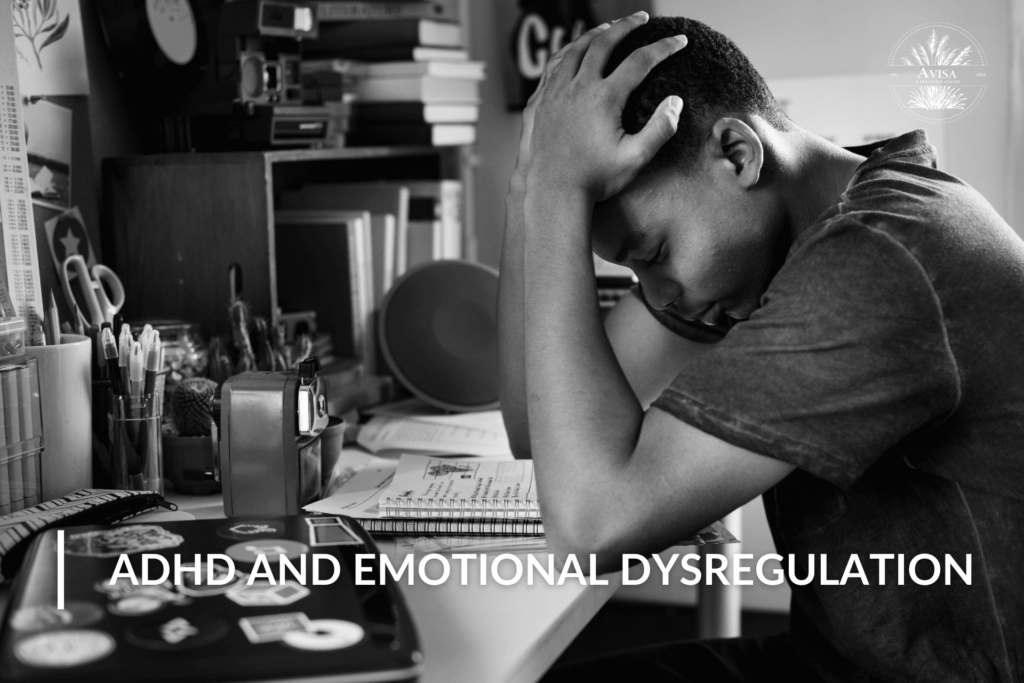
Regulating your emotions is one of the highest self-control because as you grow and have more things to take care of, you are not able to give time to yourself. ADHD can make this feeling even worse. It isn’t just about focus and hyperactivity—it also affects how you process and control emotions. This is called emotional dysregulation, and it’s why many people with ADHD experience mood swings, frustration, and difficulty managing feelings. Research by the National Library of Medicine shows that individuals with ADHD exhibit amygdala hyperactivation during emotional processing, contributing to heightened emotional responses and sensitivity. This hyperactivity may be linked to challenges in emotion regulation and increased emotional reactivity. Another research backs that emotional dysregulation affects 34-70% of adults with ADHD. This number is alarming and is constantly increasing. This blog will help you break down ADHD and emotional dysregulation, how they are linked, what challenges people face, and how you can overcome this with and without professional help. What Is ADHD? ADHD, Attention Deficit Hyperactivity Disorder is a neurodevelopmental condition that impacts someone’s ability to focus, maintain energy levels, and control impulses. One of the main symptoms of ADHD is a lack of self-regulation. A person with ADHD finds it difficult to: Focus on tasks that require absolute attention Have stable energy levels and often fluctuate between hyperactivity and hypoactivity Act mindfully and often take hasty decisions Organize tasks and manage oneself What Is Emotional Dysregulation? Let’s understand emotional dysregulation by an example of physical inability to do things. When you get injured and unable to walk, you cannot use your legs for the purpose it’s made for. In this case, you consult a doctor and take the required medicines and precautions to get back to normal. Similarly, an invisible injury in our brain leads to us not being able to regulate our emotions at full capacity. It’s called functional imbalance. You are not able to use your brain for the purpose it’s made for, it’s working differently and hence needs help. It’s as simple as this. But we often don’t treat our emotional problems as we do with our physical problems. With time, as you don’t take appropriate actions to manage this, it worsens. Exactly like it would happen in the case of a leg injury. In the case of emotional dysregulation, the person finds it difficult to: Manage emotions and have rapid mood swings Take criticism constructively Control negative emotions like anger, sadness, frustration, etc. Make informed decisions How ADHD and Emotional Dysregulation are Closely Linked Handling ADHD and emotional dysregulation is like focusing on two points with a single arrow. But since the difference between the points is not too much, understanding how these are related can help us get one step closer. Difference in brain chemistry The connection between the prefrontal cortex and amygdala tends to become weaker and hence, people with ADHD find it difficult to manage emotions. Dopamine and norepinephrine levels drop. ADHD brains have lower levels of dopamine and norepinephrine and hence emotional responses regulated by them tend to suffer. Motivation, pleasure, emotional balance, alertness, stress- everything takes a toll. Struggles to return to a neutral state Emotional dysregulation doesn’t just mean emotional highs and lows but also refers to calming down and being in a neutral state. Common Emotional Challenges for People with ADHD People with ADHD and emotional dysregulation often experience distinct challenges than those with just one of either. Here are some of the common ones: Executive dysfunction In people with ADHD, the prefrontal cortex develops slowly and hence affects decision-making and regulating emotions. Hence, people with ADHD feel overwhelmed with emotions, struggle to move between tasks and feel like mentally paralyzed to do anything. Increased emotional sensitivity In addition to the prefrontal cortex working slowly, the amygdala is hyperactive. Hence, as someone with ADHD, you feel hurt easily, experience emotional highs and lows, and become sensitive to everything around you. Feels stuck When ADHD triggers, the default mode network becomes overactive and you feel stuck, angry, sad, and frustrated about past events that can’t be changed. You tend to overplay them in your head and hope for a different ending. Anxiety and depression According to a study, increased levels in the prefrontal cortex during a negative emotional cycle trigger depression symptoms. Hence, with ADHD, you overthink, experience mood crashes, and have a constant feeling of being mentally drained. Strategies for Managing Emotional Dysregulation with ADHD Often when we hear heavy words like “strategies”, “techniques”, and “methods”, we assume there’s something complex we have to do to regulate our emotions. But it’s not true. Let’s dive into simple ways to manage ADHD and emotional dysregulation together. Deep Breathing This is one of the easiest ways to start healing. Often, when we fail to regulate our emotions, it increases cortisol levels, makes us feel panicked, and turns our brain into fight or flight mode. When you take slow deep breaths, all of the above gets reversed and activates our Parasympathetic Nervous System (PNS). Including just 5 minutes of mindfulness in your routine can help you see significant improvement in your mental health. Follow a routine Emotional dysregulation happens when we lack stability and everything around us seems out of control. When we follow a set routine and complete most of our tasks, our prefrontal cortex is free from some decisions that aren’t repetitive and hence have space for new ones. Once most of our decisions become our habits, we can free our brains and escape decision fatigue. Identify trigger points Once we closely observe and identify our triggering points for emotional turmoil, the amygdala, a part of the brain responsible for emotional reactions, can systematically respond to challenges and avoid reflex actions. These points are different for individuals and the sooner we cater to these specific points, the sooner we will be able to manage ourselves. Consider professional help If you have tried all the methods and still struggle to see improvements, reaching out to a professional