
Understanding the Signs of Repressed Childhood Trauma in Adults
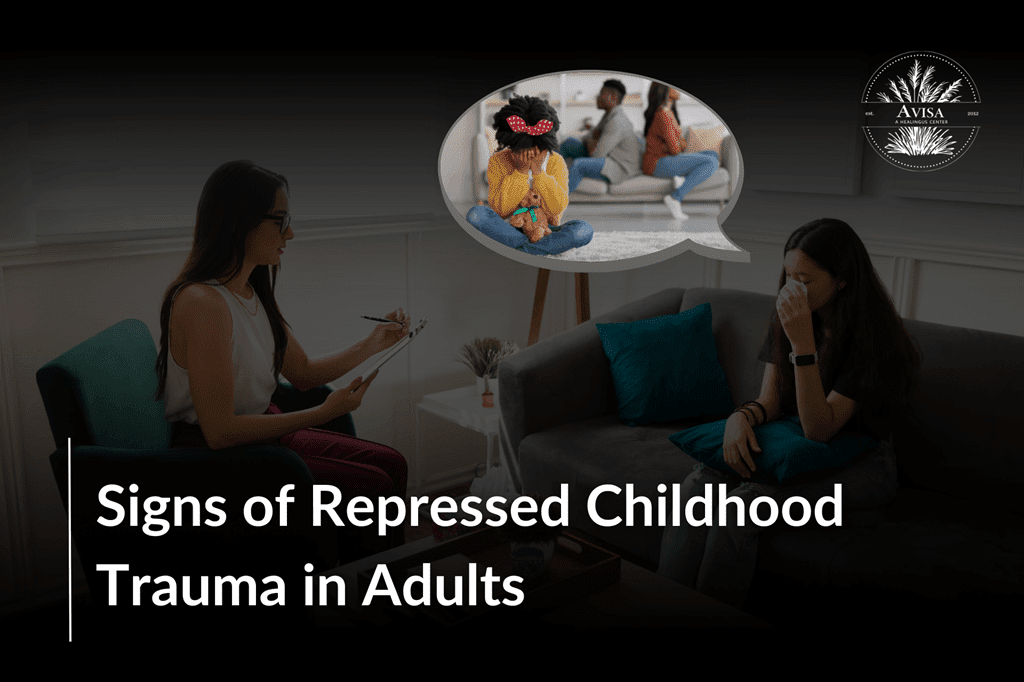
Childhood trauma can remain buried deeply inside our minds and have an impact on us that we may not appreciate until much later in life. Identifying signs of repressed childhood is crucial for healing and growth in adulthood. This blog will help you understand what childhood trauma is, how it can be repressed, and what to look for among adults. By familiarizing yourself with signs of repressed child abuse among adults, you get to know yourself better or assist somebody else. With this knowledge, healing begins. We are going to discuss the causes of repressed trauma, symptoms to watch out for, and possible treatments. For more details about the signs of repressed childhood trauma in adults read on. Unresolved Trauma Can’t Hold You Back! Let’s get on the ways to release its hold on your life. With Inner Child Therapy and individualized care, begin your journey to emotional freedom. Future You Is Proud of You! 732-798-7743 What is Childhood Trauma? Childhood trauma is a very upsetting experience that a kid undergoes. These experiences can leave lifelong imprints on a person’s mind and heart. Common examples of traumatic experiences in childhood include: Physical or emotional abuse Neglect or Abandonment Being a witness of violence Losing one parent or loved ones Natural Disasters Serious Illness or injury Trauma affects children’s development in multiple ways, such as their ability to trust others, form relationships and regulate emotions. This kind of suffering may lie undetected for years before emerging as manifestations of hidden child abuse in adults. Recognizing these signs early is key to healing and leading a healthier life. 10 Signs of Repressed Childhood Trauma in Adults Unexplained Anxiety or Depression Frequent anxiety episodes that have no clear reason Feeling down for no reason Difficulty Forming or Maintaining Relationships Having trust issues Problems with closeness Failure of attachment with people Emotional Outbursts or Mood Swings Mood swings that are sometimes very strong and sudden others mildly subtle due to various factors. Periodic mood changes from happy to unhappy Chronic Physical Symptoms Pain that can’t be explained Health issues that exist chronically due to unknown reasons Low Self-Esteem Consistently experiencing worthlessness Feeling inadequate all the time Avoidance Behavior Avoiding certain places such as those that were part of childhood Avoiding people that remind them of specific experiences through: true-thought erasesed memories Avoiding situations that cause post-traumatic stress disorder Flashbacks or Intrusive Memories Quick and detailed recollections of the dangerous situation Troubling memories suffered from childhood Difficulties in Focusing or Memory Losses Problems concentrating on anything Frequent acts of forgetting things Craving for Substance Abuse Use of drugs (narcotics, alcohol) Compulsive Attractions (Betting, Shopping) Perfectionism or Over-achievement. Trying to be perfect as a way to cover up feelings of inadequacy Engaging in excessive work as a way of evading emotional issues. To comprehend and heal, recognizing these signs in adults is crucial for understanding and healing repressed childhood trauma. Treatment for Repressed Childhood Trauma Importance of Seeking Professional Assistance Getting professional help becomes necessary when dealing with repressed childhood trauma. They shall understand the indications and ways of treating it and also find means to cure such cases for them. Therapeutic Approaches Psychotherapy: By talking to a therapist one can understand their feelings and experiences. EMDR: (Eye Movement Desensitization and Reprocessing) This therapy helps process and reduce the impact of traumatic memories. Cognitive-Behavioral Therapy (CBT): CBT helps change negative thought patterns and behaviors. Self-Help Techniques and Coping Mechanisms Journaling: It makes you come face-to-face with your thoughts while at the same time expressing your feelings about them hence making it easier for you to understand yourself better through writing down them. Mindfulness and Meditation: Your mind is relaxed through engaging in these practices thus reducing stress levels within your system. Exercise: It helps boost moods as well as improve general body health thus contributing to overcoming repression effects on human life generally. Healthy Relationships: Individuals who have gone through your bad times and still identify with you are the kind of friends you should make. Support Systems and Resources Available for Trauma Survivors Support Groups: It is comforting to be part of a group of individuals who share common experiences. Helplines: You can get immediate relief and guidance from emergency phone calls or chats online. Books and Online Resources: Several books and websites are available that contain information on how to deal with trauma. The first step towards healing repressed childhood trauma in adults is recognizing its signs. With these strategies, seeking help will make a big difference in your recovery journey. Tired of fighting addiction and mental health struggles? Ignoring both deepens the struggle. Our holistic approach—detox, therapy, and medication-assisted treatment—can help you heal. Take the first step today. Heal with Avisa Today! FAQs Que: What does unresolved childhood trauma look like in adults? Ans: Emotional symptoms may include depression, hypervigilance, anxiety, fear, anger, grief, and abandonment feelings among others. One of the enduring consequences of emotional reactions to trauma is self-negative beliefs or what we call “stuck points”. Que: What are the dark side of childhood trauma? Ans: Indeed, research has shown that child traumatic stress survivors may experience: Learning difficulties such as poor grades plus more suspensions and expulsions. More use of health care services; More contact with child welfare agencies and juvenile justice systems. Que: How do you heal when you have no memory of your childhood trauma? Ans: There is a possibility that the memories could be recovered in some ways if one has forgotten their childhood due to trauma. Everything cannot be remembered, but some tools and exercises may be used for this purpose. Trying to revisit reminders of the past, speaking with others, exercising your mind and mental health therapy are all things that might work. Que: What are the physical signs your body is releasing trauma? Ans: Muscle Aches and Pains. Emotions being released lead to tension and pain where the body holds trauma in certain muscle groups. You may experience unexplained muscle aches, sudden stiffness