
How to Treat Bipolar Disorder With Evidence-Based Professional Support
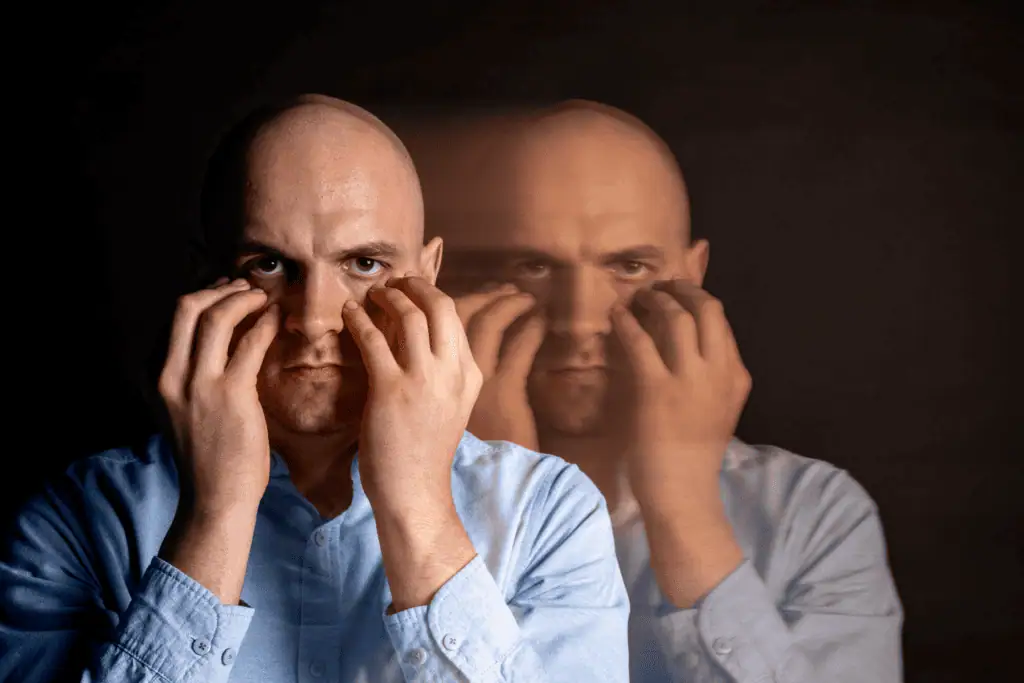
Living with bipolar disorder can feel emotionally exhausting for both the person experiencing it and the people who care about them. For many individuals, searching for how to treat bipolar disorder in daily life can feel unpredictable and overwhelming. Some days may feel full of energy and motivation, while others can feel difficult to manage. These are not just mood swings. Bipolar disorder is a serious mental health condition that affects mood, energy, sleep, behavior, and daily functioning. In the United States, bipolar disorder affects millions of adults every year. Without proper support, it can affect relationships, work, emotional well-being, and physical health. Some individuals may also turn to alcohol or drugs to cope with overwhelming symptoms. The encouraging reality is that recovery is possible. Understanding how to treat bipolar disorder starts with recognizing that long-term stability often requires ongoing psychiatric care, therapy, healthy lifestyle habits, and relapse prevention strategies. What is Bipolar Disorder? Bipolar disorder is a mental health condition that causes extreme changes in mood, energy, and activity levels. These episodes can range from emotional highs, known as mania or hypomania, to depressive episodes that make everyday life feel exhausting. According to the Cleveland Clinic, about 3 out of every 100 adults in the U.S. experience bipolar disorder annually. There are several forms of bipolar disorder, including: Bipolar I Disorder: Severe manic episodes, often alongside depression Bipolar II Disorder: Depressive episodes with hypomania Cyclothymic Disorder: Ongoing mood fluctuations that are less intense but persistent Other Specified Bipolar Disorders: Symptoms that do not fully match other categories but still require treatment Many people mistakenly believe bipolar disorder simply means being “moody.” In reality, it is a complex medical condition influenced by genetics, brain chemistry, and environmental factors. According to the American Psychiatric Association, bipolar disorder commonly runs in families, and symptoms often begin in early adulthood. Common Symptoms and Warning Signs Knowing the symptoms is an important part of understanding how to treat bipolar disorder early. Symptoms can look different from person to person. Symptoms of Mania Elevated mood or unusual excitement Racing thoughts Increased energy Reduced need for sleep Impulsive behavior or risky decisions Rapid speech or restlessness Symptoms of Depression Persistent sadness Fatigue and low motivation Difficulty concentrating Loss of interest in activities Changes in appetite or sleep Feelings of hopelessness or suicidal thoughts Physical and Emotional Symptoms Sleep disturbances Restlessness Anxiety and overwhelm Irritability Low physical energy Behavioral Symptoms Social withdrawal Risk-taking behavior Substance misuse Difficulty maintaining responsibilities Symptoms often overlap with anxiety, trauma, ADHD, or addiction, which is why a professional psychiatric evaluation is extremely important, because only they can help you understand how to treat bipolar disorder according to your symptoms. What Causes Bipolar Disorder? There is no single cause of bipolar disorder. Most experts believe it develops from a combination of biological, emotional, and environmental influences. Common contributing factors include: Genetics and family history Brain chemistry imbalances Trauma or adverse childhood experiences Chronic stress Substance abuse Major life changes or emotional distress Bipolar disorder is not caused by personal weakness or lack of willpower. It is a legitimate medical condition that requires professional care. How to Treat Bipolar Disorder Effectively When people search for how to treat bipolar disorder, they are often looking for stability, relief, and hope. Effective bipolar disorder treatment usually combines medical support, therapy, lifestyle changes, and long-term mental health treatment programs. First Steps After a Bipolar Diagnosis The first few steps often include: Scheduling a psychiatric evaluation Creating a personalized bipolar disorder treatment plan Beginning therapy and medication management Identifying triggers and unhealthy coping patterns Building a reliable support system Comprehensive Psychiatric Evaluation A proper diagnosis is the foundation of effective bipolar disorder treatment. Mental health professionals evaluate symptoms, emotional health, family history, and co-occurring conditions to create a personalized care plan. Medication Management for Bipolar Disorder Medication can help stabilize mood swings and reduce the intensity of manic or depressive episodes. Treatment may include: Mood stabilizers Antipsychotic medications Antidepressants when appropriate According to the National Institute of Mental Health, medication management should always be supervised by licensed medical professionals. Suddenly stopping medication without medical guidance can increase the risk of relapse. If medication does not seem to be working, individuals should speak with their psychiatrist rather than adjusting doses on their own. Treatment plans often need adjustments over time. Evidence-Based Therapy Therapy helps people better understand emotions, triggers, and coping patterns. Common therapeutic approaches include: Cognitive Behavioral Therapy (CBT) for managing harmful thought patterns Dialectical Behavior Therapy (DBT) for emotional regulation Family therapy for stronger support systems Group therapy for connection and accountability Trauma-informed therapy for unresolved emotional pain Inpatient vs. Outpatient Mental Health Treatment Programs Different levels of care are available depending on symptom severity and safety concerns. Inpatient treatment may help individuals experiencing severe manic episodes, suicidal thoughts, or psychiatric instability. Outpatient mental health treatment programs allow individuals to receive therapy and medication management while continuing daily responsibilities. Intensive outpatient programs (IOPs) provide structured support without full hospitalization. There is no one treatment answer for how to treat bipolar disorder; the right bipolar disorder treatment program depends on each person’s symptoms, support system, and medical needs. Lifestyle Changes and Long-Term Support Daily habits can significantly affect mood stability and relapse prevention. Small, consistent changes often make a meaningful difference over time. Healthy habits may include: Maintaining a regular sleep routine Managing stress levels Exercising consistently Eating balanced meals Avoiding alcohol and drugs Building structure into daily life Staying connected with supportive people Bipolar disorder is typically a long-term condition, which means ongoing support matters. Long-term bipolar disorder treatment often includes therapy, medication management, aftercare planning, and healthy support systems. Knowing how to treat bipolar disorder is just as important as knowing how to prevent a relapse. Common Relapse Triggers Sleep disruption Chronic stress Substance use Emotional conflict Major life changes Dual Diagnosis Treatment for Bipolar Disorder and Substance Abuse Many people with bipolar disorder also struggle with addiction or substance misuse. Some individuals use alcohol