
How to Seek Help for Your Loved One’s Mental Health Crisis

When someone you care about enters a mental health crisis, it can feel disorienting, frightening, and fraught with uncertainty. You may worry about saying the wrong thing, pushing too hard, or not knowing what resources exist. Yet your role may be pivotal in helping them find stabilization, compassion, and the right path forward. Below are steps you can take—practical, empathetic, and grounded in evidence—to support a loved one during a mental health emergency. Understand the Scope & Urgency First, recognize what constitutes a mental health crisis and when immediate action is needed. A crisis might include active suicidal ideation, self-harm, psychosis, or severe disorientation, a manic break, or the kind of panic or emotional breakdown that leaves someone unable to care for themselves. These moments require urgency, not delay. Mental illness is more common than many people realize. About 1 in 5 U.S. adults experiences mental illness in any given year. Many crises emerge in the context of underlying conditions—anxiety, mood disorders, substance use disorders—that have been building gradually. Understanding that a crisis is often the overflow of unresolved distress can help you approach the situation with compassion rather than judgment. Prepare Yourself Before the Moment You don’t have to wait for a crisis to begin preparing. Laying groundwork ahead of time can make your intervention more effective and less reactive: Educate yourself on symptoms: Learn about signs such as talk of hopelessness, withdrawal, mood swings, paranoia, or increasing substance misuse. Locate resources in advance: Know the local hotlines, crisis centers, inpatient and outpatient facilities, and mental health professionals in your region (in your case, Toms River and Ocean County). Plan logistics: Consider how you’ll respond if your loved one refuses help—will you call 911, crisis services, or arrange for safe transport? Establish your own support: You can’t pour from an empty cup. Having someone to debrief with—a friend, counselor, spiritual advisor—can help you stay grounded. Approach the Conversation with Empathy and Safety When your loved one is in crisis, how you begin can determine whether they’ll receive help or shut down. Approach them with a calm, caring intention: Choose a safe, private setting. Avoid high-pressure or highly public confrontations. Use “I” statements. For example: “I feel worried when I see you struggling” rather than “You’re scaring me.” Listen more than you speak. Let them express what they’re feeling without interruption. Be okay with silence. Validate without condoning harmful behavior. “I’m sorry you’re feeling this way—I want you safe, and I believe help can make a difference.” Offer options, not ultimatums. Presenting a pathway forward—“We can go together to find help”—often works better than issuing demands. Be ready to act. If danger is present, call emergency services or safe transport immediately. Every situation is unique. Someone with substance use issues may fear detox withdrawal; someone with psychosis might distrust authority. Your calm presence, willingness to listen, and knowledge of local resources can bridge that gap. Navigate the Crisis Response & Stabilization Once the crisis is acknowledged, connect to services that can provide immediate stabilization. Depending on severity, this may include: Calling 911 or bringing your loved one to a hospital emergency department Contacting a local crisis hotline or mobile crisis team Accessing a crisis stabilization program Initiating involuntary commitment (in extreme danger to self or others), if legally appropriate During stabilization, your loved one should receive medical and psychiatric assessment, safety planning, support for withdrawal or co-occurring conditions, and an environment designed for immediate calming and monitoring. After stabilization, the goal is to transition into ongoing treatment. This may include inpatient or residential care, partial hospitalization, intensive outpatient programs, or outpatient therapy, depending on need. Support Their Journey During and After Treatment Your role doesn’t end once the crisis is over. Often, the period following the acute phase is when relapse, discouragement, or self-doubt are most likely. You can help by: Participating in family or caregiver education so you can better understand what your loved one is going through Assisting in logistics—help with transportation, appointments, insurance, or childcare Encouraging structure, routines, and self-care—healthy sleep, nutrition, exercise, and coping tools Respecting boundaries when they need space or face symptoms, while being ready to re-engage Staying aware of signs of worsening and having a crisis safety plan in place Over time, your support can become a stabilizing force. However, be mindful of compassion fatigue; caring for someone in crisis is an emotionally demanding task. Overcoming Common Barriers & Myths “They have to hit rock bottom.” This myth is dangerous. Early help often prevents escalation and long-term harm. “It’s not my business.” If you’re close enough to see suffering, you have a role. “They’ll never change.” Recovery is not linear, but even small progress matters. “I’ll say something wrong.” It’s okay to be imperfect—what matters is your willingness to show up and act. When Substance Use or Benzodiazepine Addiction Is Involved When a mental health crisis is interwoven with substance use or benzodiazepine dependence, the situation becomes more complex. Detox must be medically supervised, and relapse risk is elevated. In such cases, facilities that specialize in both mental health and addiction are essential. That’s where Avisa Recovery Center in Toms River comes in. We provide integrated care that addresses both crisis stabilization and benzodiazepine detoxification and rehabilitation, ensuring your loved one transitions from crisis to healing with medical oversight, therapy, and aftercare planning. Get Immediate Help For Your Loved One’s Mental Health Crisis in New Jersey Today If you’re watching someone you care about suffer through a mental health emergency, please don’t wait. Contact Avisa Recovery Center in Toms River today. Our compassionate team is ready to help assess, facilitate detox and rehabilitation, and support long-term recovery. You don’t have to navigate this alone—reach out now for immediate guidance, intake planning, or just to ask questions. Your loved one’s life matters.
Ten Signs Your Teen Has Bipolar Disorder

Being a teenager is challenging enough, with growing responsibilities, hormonal changes, and academic pressures. For some teens, however, the highs and lows of adolescence may be much more than just typical mood swings. Bipolar disorder, a mood disorder characterized by extreme emotional highs (manic or hypomanic episodes) and lows (depressive episodes), can sometimes emerge during the teen years. Recognizing the signs that your teen has bipolar disorder is critical for early intervention and effective treatment. According to the National Alliance on Mental Illness (NAMI), about 2.9% of adolescents in the United States are diagnosed with bipolar disorder, and more than two-thirds of these cases begin before the age of 18 (source). If you’re concerned about your child’s mental health, identifying the early warning signs could make all the difference. Here are ten signs that your teen might be struggling with bipolar disorder. 1. Extreme Mood Swings All teenagers experience emotions, but teens with bipolar disorder often show dramatic mood swings that are beyond typical ups and downs. These mood shifts can range from periods of extreme happiness, excitement, or irritability (mania or hypomania) to deep sadness or hopelessness (depression). While mood swings may seem normal for teens, bipolar episodes are more intense and disruptive to daily life. 2. Unusual Energy Levels During a manic or hypomanic episode, teens might exhibit unusually high energy levels. They may seem overly excited, talkative, or restless, sometimes to the point that they can’t sit still or concentrate. Even if this behavior seems productive or energetic, it can signal a deeper problem if it’s out of character or disrupts school or home life. 3. Reckless Behavior If your teen has bipolar disorder, they may engage in risky or reckless behaviors during manic episodes. These could include unsafe sexual activity, experimenting with substances, reckless driving, or making impulsive financial decisions (e.g., spending excessive amounts of money). If your teen is making unsafe choices without considering the consequences, it could be a sign of an underlying mood disorder. 4. Sleep Disturbances Changes in sleep patterns are a common sign of bipolar disorder. During manic episodes, your teen may seem to need little or no sleep, often staying up for consecutive nights without feeling tired. Conversely, during depressive episodes, they may sleep excessively but still feel exhausted. 5. Difficulty Concentrating If your teen is constantly daydreaming, losing interest in tasks, or having trouble keeping up with schoolwork, it might be a sign of cognitive difficulties related to bipolar disorder. Both manic and depressive episodes can impair concentration and focus. 6. Intense Irritability or Anger Not all manic episodes are marked by euphoria. For some teens, increased irritability, frustration, or sudden bursts of anger can indicate a manic or hypomanic state. If these outbursts are frequent and disproportionate to the situation, it’s worth exploring. 7. Periods of Depression While it’s normal for teenagers to feel sad or overwhelmed at times, prolonged periods of sadness, hopelessness, or loss of interest in activities they once loved could be signs of a depressive episode. These feelings may also be accompanied by low energy, lethargy, frequent crying, and social withdrawal. 8. Thoughts of Self-Harm or Suicide One of the most serious warning signs is suicidal ideation. Teens with bipolar disorder may express thoughts of self-harm or develop suicide plans, particularly during depressive episodes. If your teenager talks about wanting to harm themselves or shows signs of suicidal thoughts, seek professional help immediately. The Centers for Disease Control and Prevention (CDC) indicates that suicide is the second leading cause of death among individuals aged 10 to 24, making early intervention crucial (source). 9. Isolating Themselves A once social and outgoing teen who suddenly begins withdrawing from friends, family, and hobbies may be experiencing depression or mood instability tied to bipolar disorder. Social isolation is a red flag and shouldn’t be dismissed as “typical” teenage behavior without further evaluation. 10. Heightened Sensitivity Teens with bipolar disorder might exhibit heightened sensitivity to criticism, stress, or conflict. They may take minor inconveniences personally or overreact emotionally in ways that seem disproportionate to the trigger. This emotional hypersensitivity can make school, friendships, and home life challenging. Why Early Recognition and Treatment Matters Identifying bipolar disorder in teens is often difficult because the symptoms can overlap with other mental health conditions, such as depression, anxiety, or ADHD. For this reason, an accurate diagnosis by a mental health professional is essential. Left untreated, bipolar disorder can lead to academic struggles, damaged relationships, substance use problems, and, in severe cases, suicidal behavior. Timely treatment offers teens the opportunity to manage their condition and regain control of their lives. Bipolar disorder is manageable with a combination of therapy, medication, and ongoing support. How Avisa Recovery Can Help At Avisa Recovery in Toms River, NJ, we specialize in providing compassionate, evidence-based care for individuals struggling with mental health conditions like bipolar disorder. We understand that each person has unique needs, and we customize our treatment plans to help teens and their families find stability and hope. Our Bipolar Disorder Treatment Includes: Comprehensive Assessments: To ensure an accurate diagnosis and individualized care plan. Therapy Options: Including Cognitive Behavioral Therapy (CBT) to address mood regulation and coping strategies. Family Counseling: To help families better understand bipolar disorder and create a supportive home environment. Medication Management: When appropriate, we help teens find the safest and most effective solutions to manage their symptoms. Holistic Support: Including stress management techniques, mindfulness practices, and wellness activities to promote overall well-being. Our team strives to create a supportive and nonjudgmental environment, allowing your teen to feel safe and empowered throughout their recovery journey. Take the First Step Toward Healing If you’re worried that your teen is struggling with bipolar disorder, don’t wait to get the help they need. Early intervention can make a significant difference in their long-term mental health and overall quality of life. At Avisa Recovery, we’re here to provide expert care and compassionate support for your family. Contact us today to learn more about our specialized
A Deep Dive into Ketamine Therapy for Treatment-Resistant Depression

Treatment-resistant depression (TRD) is a debilitating condition that affects millions of people worldwide, including in the U.S. For those grappling with depression that doesn’t respond to traditional medications or therapies, it can feel like every road to relief is blocked. The emergence of ketamine therapy as a transformative option offers new hope to individuals battling this stubborn form of depression. Ketamine therapy has gained recognition as a groundbreaking method for addressing mental health conditions, particularly TRD. Unlike conventional antidepressants, ketamine works rapidly and targets unique mechanisms in the brain, providing relief even for chronic sufferers. At Avisa Recovery, we specialize in offering safe and effective ketamine treatment tailored to the needs of our clients, empowering them to break free from depression and reclaim their lives. Understanding Treatment-Resistant Depression Before diving into ketamine therapy, it’s essential to understand what treatment-resistant depression entails. TRD is diagnosed when a person’s depression does not improve after trying at least two different antidepressants at an adequate dose and duration. Despite efforts with medication, therapy, or lifestyle changes, symptoms persist—leaving individuals feeling hopeless and disconnected. For people with TRD, everyday tasks can feel insurmountable, relationships can become strained, and quality of life can deteriorate. This condition often carries heightened risks such as suicidal ideation, substance abuse, and further mental health complications. Ketamine therapy offers a lifeline, especially for individuals who have exhausted other options without success. With its fast-acting properties and ability to target treatment-resistant cases, ketamine is redefining how we approach depression treatment. How Ketamine Therapy Works Ketamine therapy involves administering ketamine—typically through intravenous (IV) infusions or nasal sprays—in controlled, low doses. Originally developed as an anesthetic, ketamine is now recognized for its ability to alleviate depressive symptoms by acting on a different pathway than most conventional treatments. Specifically, ketamine targets the glutamate system, a neurotransmitter closely tied to brain plasticity, mood regulation, and cognitive function. By interacting with glutamate receptors, ketamine increases communication between neurons, strengthens neural connections, and fosters neuroplasticity—or the brain’s ability to adapt and rewire itself. This mechanism is why ketamine can dramatically reduce feelings of hopelessness and suicidal ideation in a matter of hours or days, compared to weeks required for traditional antidepressants like SSRIs (Selective Serotonin Reuptake Inhibitors). Effectiveness of Ketamine Therapy The effectiveness of ketamine therapy has been demonstrated through clinical studies and real-world applications, making it one of the most promising treatments for TRD. Rapid Relief for Severe Depression Unlike conventional medications that take weeks to months to take full effect, ketamine provides relief within hours. A 2021 study published in The American Journal of Psychiatry found that low-dose intravenous ketamine improved depressive symptoms in 70% of participants suffering from treatment-resistant depression (source). Reduction in Suicidal Ideation The same study also observed significant reductions in suicidal thoughts after just two treatments. For individuals in crisis, this fast-acting intervention has the potential to be lifesaving. Long-Term Benefits with Maintenance Therapy While ketamine’s effects can be rapid, ongoing maintenance therapy is often recommended to sustain recovery. At Avisa Recovery, our expert team develops personalized maintenance plans based on each client’s needs. Benefits of Ketamine Therapy for Depression Ketamine therapy is unique in its ability to address treatment-resistant depression. Its benefits include: Rapid Onset: Ketamine starts working within hours or days, offering relief faster than traditional medications. Effectiveness When Other Treatments Fail: For individuals who have tried multiple antidepressants with no success, ketamine offers a new approach. Improved Brain Function: Beyond treating symptoms, ketamine therapy aids in repairing the brain’s neural pathways damaged by chronic depression. Reduction in Suicidal Ideation: Ketamine has been shown to dramatically reduce suicidal thoughts, creating stability during emotional crises. Better Overall Mood: Ketamine doesn’t just mask symptoms—it helps reset the brain, paving the way for greater emotional balance and resilience. At Avisa Recovery, we combine ketamine therapy with other supportive treatments, such as cognitive behavioral therapy (CBT) and mindfulness techniques, to maximize its benefits for our clients. When to Consider Ketamine Therapy If you’ve been struggling with depression that feels stubborn or unresponsive to medication, ketamine therapy may be the right solution for you. Consider ketamine therapy if: You’ve tried multiple antidepressants with minimal or no relief. You feel overwhelmed by persistent depressive symptoms that impact every aspect of your life. You’re in crisis due to suicidal ideation or severe pain associated with depression. Therapy alone hasn’t been effective, or traditional medications cause intolerable side effects. Every person’s journey is unique, and our specialists at Avisa Recovery can guide you through evaluating whether ketamine therapy is the right option for your mental health needs. Ketamine Therapy at Avisa Recovery At Avisa Recovery, we offer safe, supervised ketamine therapy in Toms River, NJ for treatment-resistant depression. Here’s what you can expect: Professional Supervision: Ketamine treatment is administered by licensed medical professionals in a controlled, calming environment. Personalized Treatment Plans: We tailor dosages, protocols, and maintenance schedules to each client based on their symptoms and goals. Supportive Integrated Care: Ketamine therapy is part of a broader, holistic approach to mental health at Avisa Recovery, incorporating talk therapy, lifestyle tools, and long-term aftercare resources. Our team’s mission is to make breakthrough treatments like ketamine accessible to our local community, empowering individuals in Toms River to find relief and recovery. Find Healing Today With Professional Ketamine Treatments in New Jersey If you’ve been battling treatment-resistant depression, there’s hope for a brighter future. Ketamine therapy has transformed countless lives by providing relief and healing to individuals who thought they’d run out of options. At Avisa Recovery, we are ready to help you take the first steps toward recovery with ketamine treatment in Toms River, NJ. Contact us today to schedule a consultation or learn more about our ketamine therapy services. Let us be your partner in building a life of emotional wellness, stability, and happiness. With compassionate care and advanced treatment options, Avisa Recovery is here to support you every step of the way. Don’t wait—take the first step toward relief today.
Top Signs of Generalized Anxiety Disorder (GAD)

Feeling anxious is a normal part of life. We all experience stress or worry from time to time. But when anxiety becomes persistent, overwhelming, and interferes with daily responsibilities and relationships, it may point to a deeper issue—Generalized Anxiety Disorder (GAD). Understanding and recognizing the signs of Generalized Anxiety Disorder is the first step toward getting the effective treatment you or a loved one may need. At Avisa Recovery, we offer compassionate and evidence-based anxiety treatment, helping individuals in Toms River, NJ, and beyond manage their anxiety and regain control over their lives. Let’s take a closer look at GAD, the top signs to watch for, and how you can begin the path to recovery. What Is Generalized Anxiety Disorder (GAD)? Generalized Anxiety Disorder, or GAD, is a mental health condition characterized by excessive and uncontrollable worry about everyday situations. Unlike normal anxiety, which is often tied to a specific circumstance (like an exam or job interview), GAD involves ongoing anxiety that persists for six months or longer, often without a clear trigger. People with GAD experience a constant sense of unease, even in relatively low-stress situations. The disorder affects emotional, behavioral, and physical well-being, often leading to challenges in areas like work, school, and personal relationships. According to the Anxiety & Depression Association of America, 6.8 million adults in the United States experience GAD every year, yet many go untreated (source). Top Signs of Generalized Anxiety Disorder If you’ve been feeling anxious more days than not over several months, it might be a sign of GAD. Below are the most common signs and symptoms of this condition: 1. Excessive Worrying The hallmark sign of GAD is persistent and excessive worry about a variety of topics such as finances, relationships, health, or work. This type of worry is often disproportionate to the situation at hand and feels impossible to control. For example, individuals with GAD often worry about hypothetical “what if” scenarios, even if there’s no evidence to support those fears. 2. Physical Symptoms Anxiety isn’t just a mental and emotional state—it also manifests physically. Common physical symptoms of GAD include: Muscle tension Frequent headaches Fatigue or exhaustion Stomachaches or digestive issues Sweating or trembling Rapid heartbeat These symptoms can escalate during heightened moments of anxiety but often remain present on a daily basis. 3. Difficulty Concentrating GAD affects the ability to concentrate and focus, a phenomenon often referred to as “brain fog.” People with GAD may struggle to complete tasks or follow conversations because their mind is preoccupied with worries. Even minor tasks, like responding to an email, can feel overwhelming. 4. Restlessness or Feeling “On Edge” One of the most common ways anxiety manifests is through constant restlessness. Individuals may feel as if something bad is about to happen, or they may be unable to relax even during moments of downtime. This restlessness can lead to irritability and frustration, further impacting relationships and daily routines. 5. Sleep Disturbances Anxiety can severely disrupt sleep in a number of ways, including: Difficulty falling asleep due to racing thoughts. Middle-of-the-night wakefulness. Waking up too early and being unable to fall back asleep. Chronic sleep disturbances can worsen other GAD symptoms, creating a cycle of exhaustion and heightened anxiety. 6. Avoidance Behaviors Another key sign of GAD is avoiding situations or tasks that trigger worry. For instance, someone may skip a work meeting out of fear of being judged or avoid social events to avoid potential discomfort. While avoidance might provide temporary relief, it often reinforces anxiety over time, making it harder to confront fears in the future. 7. Overthinking and Catastrophizing Individuals with GAD often ruminate or overanalyze situations, sometimes envisioning worst-case scenarios even in low-risk situations. This mental spiral can feel exhausting and leave individuals mentally drained. For instance, a person might misinterpret a friend’s delayed text message as a sign of rejection rather than recognizing other potential explanations. Why It’s Important to Address GAD Left untreated, GAD can escalate and lead to additional challenges, such as depression, substance abuse, or physical health problems (e.g., heart disease). Fortunately, with professional care, GAD can be effectively managed, allowing individuals to lead fulfilling and productive lives. How Avisa Recovery Can Help At Avisa Recovery, we’re committed to helping individuals in Toms River and surrounding areas find relief from the debilitating effects of GAD. Through our personalized, evidence-based anxiety treatment programs, we help clients build resilience, achieve emotional balance, and regain confidence in their ability to manage life’s challenges. Treatments We Offer Include: Cognitive Behavioral Therapy (CBT) One of the most effective treatments for GAD, CBT helps clients identify and change thought patterns that contribute to anxiety. Mindfulness and Relaxation Techniques We teach strategies like deep breathing, meditation, and progressive muscle relaxation to help reduce anxious thoughts and improve physical symptoms. Medication Management For some individuals, medications may be a helpful addition to therapy, particularly when anxiety is severely impacting daily functioning. Holistic Care and Lifestyle Strategies Our team helps clients develop better sleep hygiene, diet, and exercise routines, which play a role in reducing anxiety symptoms. When to Seek Help for GAD If you recognize the symptoms of GAD in yourself or a loved one, it may be time to seek professional support. Consider reaching out to a mental health professional if: Symptoms are persistent and last more than six months. Anxiety begins to interfere with work, relationships, or daily responsibilities. You’ve tried coping on your own but continue to feel overwhelmed. You’re experiencing physical symptoms such as sleep disruption, fatigue, or frequent headaches. Early intervention is key. The sooner you seek help, the sooner you can begin to regain a sense of calm and normalcy. Take The First Steps Towards Freedom From Anxiety Now If you’re struggling with persistent anxiety and recognize the signs of Generalized Anxiety Disorder, we encourage you to take the first step toward healing. At Avisa Recovery, we specialize in treating GAD and other anxiety disorders through compassionate, personalized care designed to empower and uplift. Contact
The Importance of Youth Mental Health Programs in New Jersey

Mental health is as critical to overall well-being as physical health, yet it often takes a back seat in discussions about health care and societal priorities. This is especially concerning when it comes to adolescents, whose emotional and cognitive development is at a pivotal stage. For youth in New Jersey, mental health challenges are a growing concern. The prevalence of these issues and their impact on young lives highlight the importance of youth mental health programs in New Jersey. Avisa The Current Mental Health Landscape for Youth Adolescence is a time of tremendous growth, both physically and emotionally. It’s also a period when mental health disorders commonly emerge due to hormonal changes, societal pressures, and a host of other factors. According to the National Institute of Mental Health (NIMH), approximately 1 in 5 adolescents in the United States experience a severe mental health disorder each year, with standard conditions including depression, anxiety, and ADHD. In New Jersey alone, the numbers reflect national trends, and certain circumstances suggest they may be even higher in specific communities. The Pandemic’s Impact The COVID-19 pandemic exacerbated mental health issues for youth across the Garden State. Social isolation, loss of routine, and the stress of navigating virtual learning led to increased levels of anxiety, depression, and suicidal ideation among teenagers. According to a 2022 report by Mental Health America (MHA), youth mental health in New Jersey showed notable concerns, with leadership urging expanded resources to address the crisis. For example, teen suicide rates have alarmingly risen. The Centers for Disease Control and Prevention (CDC) reported a 57% increase in suicide rates among 10-to-24-year-olds nationwide between 2007 and 2018. New Jersey mirrors this concerning trend. This spike underscores the urgency of a robust mental health system designed to meet the needs of young individuals. Why Youth Mental Health Programs in New Jersey Are Essential Mental health programs play a crucial role in early intervention, enabling symptoms to be identified and addressed promptly. Studies have shown that early treatment leads to better outcomes, especially for young people. Providing access to counselors, therapists, and group support sessions in schools or dedicated treatment programs can significantly reduce the probability of long-term consequences like substance abuse and unemployment. Breaking Down Stigma Mental health programs also create environments where young people feel safe discussing their challenges and concerns. Adolescents are often afraid to speak up due to stigma or fear of being misunderstood. Community-based programs in New Jersey have focused efforts on breaking down this stigma through education and interactive workshops. When youth understand that mental health struggles are not personal failures but everyday experiences, they’re more likely to seek the support they need. Empowering Families Family involvement is a key component of effective mental health treatment in adolescence. Programs that emphasize psychoeducation for parents and guardians empower them to understand better and support their children. Many programs in New Jersey, such as school partnerships and community organizations, prioritize family counseling to bridge communication gaps and foster stronger relationships at home. Long-Term Societal Benefits Investing in youth mental health programs offers benefits that extend far beyond individual well-being. When adolescents receive the care they need, they are more likely to become productive, healthy adults. Untreated mental health issues, on the other hand, can strain public systems, including healthcare, criminal justice, and economic resources. A report by the World Health Organization (WHO) noted that every dollar invested in mental health care yields a $4 return in improved health and productivity — a compelling case for public and private investment in programs. Successful Mental Health Programs in New Jersey New Jersey has taken steps to address the mental health needs of its youth through innovative programs and initiatives. 1. School-Based Mental Health Resources Many New Jersey school districts offer access to counselors, social workers, and wellness programs specifically designed for youth. Mental health remains a priority in curricula, with courses on emotional resilience and coping strategies introduced alongside traditional subjects. 2. Partnerships with Community Organizations Nonprofits in New Jersey, such as the New Jersey Association of Mental Health and Addiction Agencies (NJAMHAA), have partnered with schools and local governments to offer accessible therapy options. These partnerships ensure that even underserved communities can access and benefit from these services. 3. Intensive Outpatient and Residential Programs For adolescents facing more severe mental health challenges, outpatient and residential treatment programs have proven to be life-saving. Facilities like Avisa Recovery in Toms River, NJ, offer immersive support tailored to the unique needs of teens. These programs often combine evidence-based practices, such as Cognitive Behavioral Therapy (CBT) and Dialectical Behavior Therapy (DBT), with holistic approaches that nurture overall well-being. The Role of Evidence-Based Treatment Effective mental health treatment relies on evidence-based approaches. For adolescents, therapy modalities like CBT and DBT are widely endorsed by mental health professionals. Cognitive Behavioral Therapy (CBT) CBT helps young people identify and replace negative thought patterns with healthier ways of thinking. According to the American Psychological Association (APA), CBT has shown a success rate of approximately 70-80% in reducing anxiety and depression symptoms in adolescents. Dialectical Behavior Therapy (DBT) For teens struggling with extreme emotions or self-harming tendencies, DBT is a powerful tool. It focuses on mindfulness, emotional regulation, and interpersonal effectiveness. A study published in Behavior Research and Therapy found DBT to reduce self-harming behaviors by 60% in teens within a year of treatment. Medication and Psychiatry Support For youth experiencing severe mental health disorders like bipolar disorder or schizophrenia, medication can be an essential part of treatment when combined with counseling. Mental health professionals in New Jersey emphasize a personalized approach, ensuring that young people receive the proper balance of therapy and psychiatric care tailored to their needs. Overcoming Access Challenges Despite the growing awareness of youth mental health, access remains a significant obstacle for many families in New Jersey. Insurance limitations and the stigma surrounding professional help can deter families from seeking services. Programs like Avisa Recovery in Toms River aim to bridge these gaps by offering comprehensive care
Is There Such a Thing as Taking Too Many Psych Meds?

In today’s world, mental health awareness is more prominent than ever. With growing recognition comes greater access to treatment options, including psychiatric medications. While many can benefit from psych meds, some may question if they are taking too many psych meds. Antidepressants, anti-anxiety drugs, mood stabilizers, and antipsychotics have helped millions of people manage mental health conditions like depression, anxiety, bipolar disorder, and schizophrenia. But as prescriptions become more common, some people are left wondering: Is there such a thing as taking too many psych meds? At Avisa Recovery of New Jersey, we believe in a balanced, individualized approach to mental health care. While psychiatric medication can be life-changing and even life-saving, overmedication is a genuine concern. Understanding the risks, signs, and available solutions is crucial for selecting the most effective treatment path. When Medication Becomes Too Much Psychiatric medications can be powerful tools, but they aren’t a one-size-fits-all solution. It’s possible—and surprisingly common—for individuals to end up on multiple prescriptions at once. This is known as polypharmacy, and while it can be appropriate in some cases, it also carries potential risks if not carefully monitored. Overmedication may occur due to: Misdiagnosis or overlapping conditions Medication side effects are being mistaken for new symptoms A lack of coordination between different prescribing doctors Long-term reliance on medications without regular re-evaluation Taking too many psych meds can lead to unwanted side effects, reduced effectiveness, and a loss of connection to your authentic self. It’s not about eliminating medication altogether, but rather finding the right combination and dosage for your unique needs. Signs You May Be Taking Too Many Psych Meds It’s not always easy to recognize when psychiatric medication has gone too far. Some individuals live for years with symptoms that could be related to overmedication without ever realizing it. Here are common warning signs that may suggest you’re taking too many psych meds: Emotional flatness or numbness: You may find it difficult to feel joy, sadness, or motivation. While some medications reduce intense emotional swings, they shouldn’t eliminate emotion altogether. Mental fog or memory issues: Trouble concentrating, forgetfulness, or disorientation can result from too much medication or an improper combination. Excessive drowsiness or sedation: Feeling chronically fatigued or unable to function during the day may signal that your dosages are too high. Physical side effects: Tremors, weight gain, gastrointestinal issues, and other side effects may become more intense with multiple medications. Mood instability: Ironically, the wrong medication mix can cause the very symptoms it’s meant to treat, such as increased anxiety, depression, or irritability. If you notice any of these symptoms, don’t stop your medication abruptly. Instead, reach out to a qualified mental health professional who can guide you through a safe evaluation process. Why Overmedication Happens It’s easy to assume that more medication equals more relief, but that’s not always true. Over time, people may receive new prescriptions to address side effects, resulting in a cycle where new drugs are added rather than carefully adjusted. In these instances, you may be taking too many psych meds. Other factors that contribute to overmedication include: Fragmented care: Multiple doctors prescribing medications without consulting each other can lead to unintentional polypharmacy. Trial and error: It often takes time to find the proper medication or dosage. Without apparent oversight, this can spiral into unnecessary combinations. Short appointments: In busy systems, providers may prescribe medications quickly without exploring other options, such as therapy or lifestyle changes. Pressure to feel “better fast”: To ease suffering quickly, there’s sometimes an over-reliance on medication before addressing underlying causes. At Avisa Recovery, we understand how complex this process can be. That’s why we take the time to assess the whole picture—your symptoms, history, and lifestyle—before making any recommendations. Finding the Right Balance Psych meds can offer incredible benefits when used appropriately. They can reduce symptoms, stabilize mood, and enhance the effectiveness of therapy. The key is balance. Medication should improve your life, not dull it. To avoid taking too many psych meds, it’s important to: Work with a comprehensive treatment team That Includes Psychiatrists, therapists, and primary care providers who collaborate regularly. Schedule regular medication reviews: Your treatment plan should be re-evaluated at least every few months to determine what’s working and what’s not. Explore holistic support options: Therapy, nutrition, exercise, mindfulness, and other wellness strategies can reduce the need for multiple prescriptions. Advocate for yourself: If something feels off, speak up. You know your body and mind better than anyone. At Avisa Recovery, we support clients in making informed decisions about medication. We’ll never suggest stopping necessary prescriptions, but we’ll help you understand what you’re taking, why, and whether there’s a better way to support your mental health. When to Re-Evaluate Your Medication Plan If you’ve been on multiple psych meds for an extended period or if you feel disconnected from yourself, it may be time for a medication assessment. This doesn’t mean stopping cold turkey. Instead, it involves a guided, medically supervised process to evaluate the role of each medication in your treatment. In some cases, simplifying your regimen can enhance mental clarity, minimize side effects, and even foster a stronger emotional connection. In other cases, adjusting dosages or adding therapy may be the key to sustainable progress. Take the Next Step Toward Mental Wellness Yes, there is such a thing as taking too many psych meds—but you don’t have to figure it out alone. Whether you’re questioning your current medication plan or starting your mental health journey for the first time, we’re here to help. Contact Avisa Recovery of New Jersey today to learn more about our comprehensive mental health treatment options. Our compassionate team will work with you to find the right balance between therapy, medication, and holistic care, so you can feel like yourself
How to Get Medication for Depression: A Step-by-Step Guide

If you’re struggling with persistent sadness, low energy, or loss of interest in daily life, you may be wondering how to get medication for depression. This form of treatment can be a powerful tool in managing symptoms and restoring emotional balance, especially when combined with therapy and other supportive approaches. At Avisa Recovery, we understand the challenges of living with depression and are here to help you navigate the process of accessing the care you need. Recognizing When You Might Need Medication for Depression Before starting medication for depression, it’s important to recognize the signs that treatment might be necessary. Depression presents differently in everyone, but common symptoms include: Persistent sadness or hopelessness Loss of interest in previously enjoyed activities Changes in sleep or appetite Trouble concentrating or making decisions Fatigue or lack of motivation Thoughts of self-harm or suicide If these symptoms have lasted for two weeks or more and are interfering with your ability to function, it may be time to explore your treatment options. Documenting your experiences can help a healthcare provider determine whether depression medication could be beneficial. How to Speak to a Professional About Medication for Depression The first step in obtaining medication for depression is scheduling an appointment with a medical or mental health professional. Several types of providers can assess your symptoms and prescribe treatment: Primary Care Providers – General practitioners can evaluate your symptoms and often initiate a prescription for depression medication. Psychiatrists – These mental health specialists focus exclusively on psychiatric conditions and can offer more tailored treatment plans. Nurse Practitioners or Physician Assistants – These professionals, especially those working in mental health settings, are also qualified to prescribe antidepressants. Be open and honest during your appointment. Describe how your symptoms affect your daily life, relationships, and school or work performance. This transparency helps ensure the right diagnosis and the most effective treatment plan. Types of Medication for Depression There are various medications for depression options, and your provider will help determine which is most appropriate based on your specific needs. Common classes include: Selective Serotonin Reuptake Inhibitors (SSRIs) – Often the first type prescribed, including medications like Prozac, Zoloft, and Lexapro. Serotonin-Norepinephrine Reuptake Inhibitors (SNRIs) – Such as Cymbalta and Effexor, which affect multiple neurotransmitters to alleviate symptoms. Atypical Antidepressants – Like Wellbutrin, these can be beneficial for individuals who don’t respond well to SSRIs or SNRIs. It can take several weeks to notice the full effects of depression medication, and some people may need to try more than one type before finding the right fit. Your provider may adjust your dose or switch medications as needed. Combining Medication for Depression with Other Treatments While medication for depression can significantly reduce symptoms, it is often most effective when paired with other forms of treatment. Cognitive Behavioral Therapy (CBT), Dialectical Behavior Therapy (DBT), and mindfulness-based interventions can complement medication by addressing negative thinking patterns and building emotional resilience. At Avisa Recovery, we emphasize an integrated treatment approach. Our therapists work alongside prescribing professionals to ensure you receive coordinated, holistic care that meets both your emotional and medical needs. Understanding Concerns About Depression Medication Many people hesitate to start medication for depression due to fears about side effects, dependency, or long-term use. These concerns are valid, but they shouldn’t stop you from seeking help. Antidepressants are not addictive, and for many individuals, medication is a temporary tool that provides stability while deeper work takes place in therapy. Side effects may include sleep disturbances, nausea, or changes in energy levels, but these often subside over time. Your provider will monitor your response and make adjustments as needed to ensure your comfort and safety. Knowing When to Reevaluate Your Treatment Medication for depression is not a one-size-fits-all solution. If you’ve started a prescription but haven’t noticed any improvement, or if your symptoms worsen, talk to your healthcare provider. There are many options available, and it’s normal to need some trial and error to find what works best for you. If you’re ever in crisis, feeling suicidal, or experiencing severe distress, seek immediate help. You can call the National Suicide Prevention Lifeline at 988 or go to your nearest emergency room. Get Help Today at Avisa Recovery At Avisa Recovery in New Jersey, we offer personalized support for individuals seeking medication for depression and comprehensive mental health treatment. Our experienced team of psychiatrists, therapists, and support staff will guide you through every step, from diagnosis to finding the most effective treatment plan for your unique needs. You don’t have to face depression alone. Contact Avisa Recovery today to learn more about our services and take the first step toward healing.
Mental Health and Substance Abuse among LGBTQ+ Individuals

As per information from NAMI, individuals who identify as LGB have a doubled likelihood compared to heterosexual individuals when it comes to grappling with mental health challenges. The LGBTQ+ collective faces a spectrum of concerns, encompassing prejudice, the possibility of familial and social ostracism, and additional factors, all of which can profoundly impact one’s mental wellness. Consequently, this contributes to the heightened susceptibility of numerous LGBTQ+ individuals to both mental health conditions and substance abuse disorders. To delve deeper into the trends and dilemmas pertaining to LGBTQ+ mental health and substance abuse, proceed with reading. Our establishment, Avisa Recovery, situated in Ocean County, is dedicated to aiding patients who are combatting addiction and mental health disorders. Through a diverse array of treatment programs, we offer optimum care and support, facilitating the journey to conquer addiction and foster a more gratifying and healthier life. If you find yourself struggling with a mental health condition or addiction, remember that you need not face it single-handedly. Remarkably, LGBTQ+ substance abuse patterns present a staggering concern. Irrespective of sexual orientation, the struggle against addiction should never be a solitary endeavor. Reach out to us now to explore how we can guide you toward lasting freedom from addiction. Mental Health within the LGBTQ+ Community The LGBTQ+ community encounters a range of challenges distinct from those experienced by heterosexual individuals. Some common issues for LGBTQ+ members are: These adverse factors can deeply impact mental health and overall well-being. Some individuals might find it challenging to embrace their genuine selves or reveal their identities due to the fear of encountering the aforementioned obstacles. Regrettably, this inability to express one’s true self can also substantially compromise mental health and well-being. Unfortunately, many LGBTQ+ individuals might be hesitant to seek assistance, often resorting to unhealthy coping mechanisms to temporarily alleviate their mental health concerns. Such behaviors may involve substance abuse, leading to eventual dependence and addiction. Substance Abuse within the LGBTQ+ Community Substance misuse is a significant concern within the LGBTQ+ community, with many individuals resorting to drug or alcohol abuse as a strategy for managing their emotions or alleviating the distress stemming from mental health challenges and the adversity linked to their sexual identity. While utilizing drugs or alcohol temporarily might provide relief from such emotional anguish, the long-term repercussions of substance abuse are decidedly negative. Engaging in consistent drug or alcohol misuse ultimately results in detrimental effects rather than beneficial outcomes. This is due to the fact that persistent substance abuse paves the way for physical dependence and, over time, may culminate in the development of addiction. The Vulnerability to Dual Diagnosis Dual diagnosis arises when an individual struggles with both a mental disorder and a substance use disorder. Regrettably, numerous members of the LGBTQ+ community face an elevated risk of developing a dual diagnosis. This susceptibility stems from the aforementioned discussion, where many LGBTQ+ individuals encounter discrimination and other adversities uncommon to heterosexual adults due to their sexual orientation. Consequently, this situation can precipitate unfavorable emotions and mental health issues, or push individuals toward substance abuse as a way to cope with these distressing negative sentiments. If you suspect that you might be contending with mental health challenges, addiction, or a dual diagnosis, regardless of your LGBTQ+ status, it is of utmost importance that you seek professional intervention to embark on your journey towards recovery. Every individual deserves to lead a wholesome, joyous life while embracing their true selves, irrespective of their sexual orientation. We Are Here to Help You Now that you’re informed about substance abuse trends within the LGBTQ+ community. It’s important to recognize that LGBTQ+ individuals often confront various challenges, including unequal rights and discrimination. These difficulties can take a toll on mental well-being. Whether you’re part of the LGBTQ+ community or not, if you’re struggling with addiction or mental health issues, remember that you’re not alone in this battle. Avisa Recovery is here to assist you. Our focus is on aiding patients in conquering addiction and effectively managing symptoms of mental disorders, leading to a more joyful, healthier, and harmonious life. Our approach involves tailoring treatment plans to suit each person’s unique journey of recovery. There’s no need to face your struggles silently. Avisa Recovery extends a helping hand! Get in touch with us today to discover how we can be part of your path to healing.
Co-Occurring Disorders Demystified: Prevalence and Risks
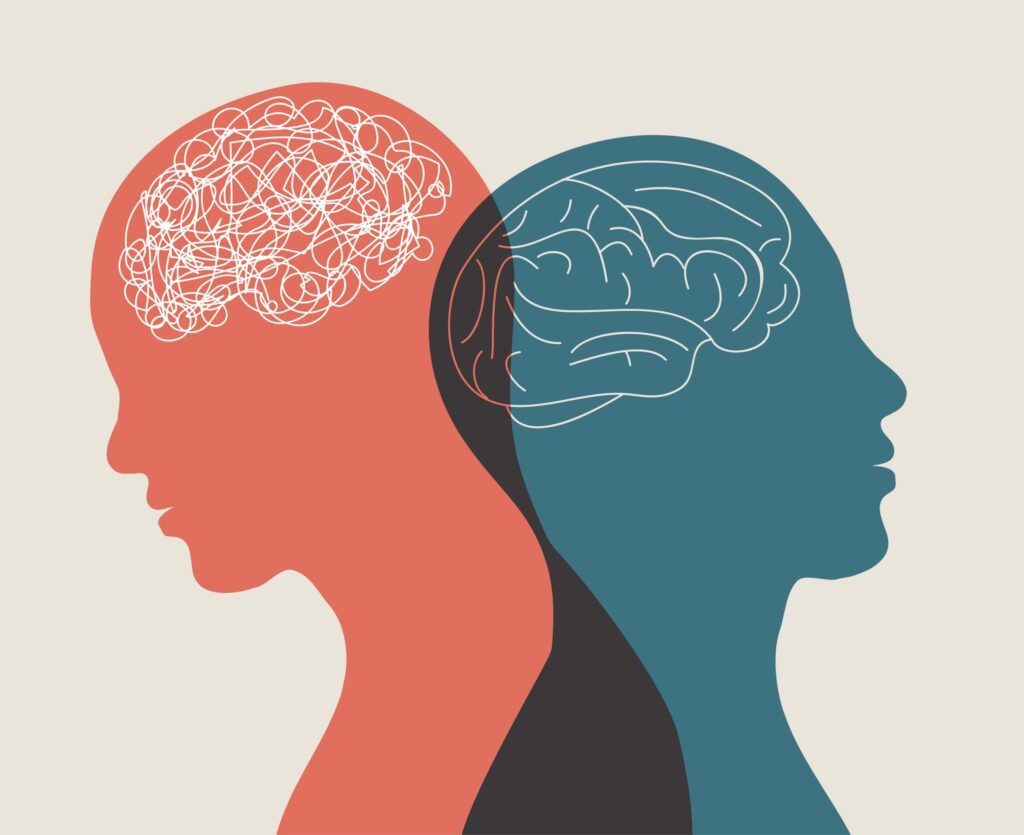
You’ve heard the phrases ‘mental health issues’ and ‘substance abuse problems’ bandied about, but did you know these conditions often go hand in hand? If you’re struggling with addiction and also experiencing symptoms of a mental health condition like depression or anxiety, you’re not alone. Co-occurring disorders, also known as dual diagnosis, are more common than you might think. As many as 8.9 million Americans are affected. The relationship between mental illness and substance abuse is complex, and it can be hard to determine which came first, the addiction or the mental health issue. Defining Co-Occurring Disorders: When Mental Health and Addiction Intersect Co-occurring disorders, also known as dual diagnosis, refer to suffering from a mental health condition and substance use disorder simultaneously. Nearly 8 million Americans battle co-occurring disorders each year. The relationship between addiction and mental health is complex. Substance use may develop as a way to self-medicate symptoms of an undiagnosed or untreated mental health condition. Conversely, prolonged drug or alcohol use can trigger or worsen symptoms of mental illness due to brain changes. The truth is, that these disorders often feed into each other in a vicious cycle. Co-occurring disorders also share many of the same risk factors, including genetics, childhood trauma, social environment, and lack of healthcare access. The likelihood of developing a co-occurring disorder is high. In fact, over half of individuals seeking mental health or addiction treatment meet the criteria for a dual diagnosis. Getting an accurate diagnosis is critical but can prove challenging. Many symptoms overlap, and individuals may be hesitant to disclose substance use to a mental health professional or vice versa. Using multiple methods of medical history, psychological evaluations, physical exams, and blood tests helps determine appropriate treatment. Managing co-occurring disorders requires integrated treatment that addresses both conditions simultaneously. Things like therapy (individual and group), medication, lifestyle changes, and social support can be combined for the best results. Ongoing monitoring and adjustment to treatment plans ensure continued progress and long-term wellness. There is hope and healing. With proper diagnosis and integrated care, individuals can overcome co-occurring disorders, achieving sustained recovery and improved quality of life. Understanding these complex conditions helps reduce stigma and leads to better outcomes for those affected. The Startling Prevalence of Co-Occurring Disorders in America The numbers are staggering. Nearly 1 in 3 American adults experienced either a substance use disorder or mental illness in the past year. Roughly 9.2 million adults in the U.S. grapple with co-occurring mental and substance use disorders. That’s about 7 million people dealing with the double blow of a mental health condition and addiction simultaneously. Co-occurring disorders, also known as dual diagnosis, are more common than you might think. Unfortunately, many people suffer in silence, unaware that effective treatment options exist. The truth is, that mental illness and substance abuse often go hand in hand, feeding into a vicious cycle that’s difficult to break free from alone. Risk Factors Several factors increase the likelihood of developing co-occurring disorders: Genetics: Mental health conditions and addiction tendencies can run in families. If close relatives struggle with similar issues, you may be at higher risk. Trauma: Experiencing traumatic events like abuse, violence, or severe loss during childhood or as an adult can contribute to the development of mental health and substance use disorders. Social environment: Growing up in a household where heavy alcohol or drug use is modeled or accepted can increase the risk of developing an addiction and related mental health conditions. Mental health issues: Conditions like depression and anxiety, PTSD, and bipolar disorder may prompt some people to self-medicate with drugs or alcohol, leading to addiction. Similarly, addiction can trigger worsen symptoms of mental illness due to the effects of intoxication or withdrawal. The tangled web of co-occurring disorders often leaves people wondering which came first, the mental health issue or the addiction. The reality is that these disorders frequently develop together in a vicious cycle, making it difficult to determine the initial cause. Unpacking the Chicken-or-Egg Question: Does Mental Illness or Addiction Come First? When it comes to co-occurring disorders, the question often arises: which came first, the mental health condition or the substance use disorder? The relationship between the two is complex and bi-directional. Sometimes mental health issues drive people to use drugs or alcohol as a form of self-medication to numb emotional or psychological pain. Other times, substance abuse can trigger or exacerbate the onset of conditions like depression, anxiety, psychosis, or bipolar disorder. Mental illness preceding addiction: Some individuals may turn to drugs or alcohol to escape from or cope with symptoms of a mental health condition like major depression, social anxiety disorder, PTSD, or schizophrenia. The substance use provides temporary relief and in the long run, worsens symptoms and overall health. Addiction preceding mental illness: Prolonged substance abuse can alter brain chemistry and structure, increasing the risk of developing mental health disorders. Drugs like cocaine, methamphetamine, and alcohol are known to induce symptoms resembling schizophrenia, depression, and mania. Withdrawal from drugs can also trigger a post-acute withdrawal syndrome, characterized by mood swings, anxiety, insomnia, and depression. Co-occurring from the start: In some cases, a person may be predisposed or susceptible to developing both a substance use disorder and mental health condition, due to a combination of genetics, environment, life experiences, and other factors. The two conditions arise around the same time and exacerbate each other in a perpetual cycle. The reality is, for most people with co-occurring disorders, it’s difficult to determine exactly which came first or the precise nature of the relationship between their mental health and addiction. The good news is, that with proper diagnosis and integrated treatment that addresses both conditions, healing and recovery are possible. Ongoing research continues to provide more insight into effective ways to manage co-occurring disorders and the bi-directional relationship between mental illness and addiction Key Risk Factors for Developing Co-Occurring Disorders Several factors put individuals at higher risk of developing co-occurring disorders. Family history If addiction, alcoholism, or
How To Find Outpatient Anxiety Treatment in New Jersey?

Anxieties, among the most common mental health concerns, affect about 30% of adults at some stage of their lives. Regrettably, many individuals ignore their symptoms and don’t seek expert assistance to effectively manage their condition. If you’re a New Jersey resident grappling with anxiety, there’s a solution within reach. Outpatient anxiety treatment in New Jersey is tailored to offer crucial mental health support without disrupting your daily life. However, finding an outpatient anxiety treatment center can be challenging. This article is your guide to find the most suitable outpatient anxiety treatment in New Jersey for your needs. At Avisa Recovery, located in Ocean County, we specialize in aiding individuals combating addiction and mental health issues. Our mission is to help you regain command over your life, fostering happiness and well-being. Connect with us today to explore how our services can facilitate a happier, healthier life for you. What is Outpatient Anxiety Treatment? Before delving into the specifics of locating outpatient anxiety treatment in New Jersey, it’s imperative to comprehend what this program entails. Outpatient anxiety treatment involves regular consultations with a mental health professional, aimed at effectively managing anxiety symptoms. Unlike hospitalization or overnight stays, outpatient anxiety treatment accommodates individuals struggling with anxiety, enabling them to access professional assistance without disrupting their routine. Treatment approaches vary, spanning Cognitive Behavioral Therapy (CBT), mindfulness-based therapies, and more. While outpatient anxiety treatment might not suit those with severe, life-threatening symptoms, it can prove remarkably effective without imposing a complete halt on daily life and obligations. Types of Outpatient Anxiety Treatment Options Anxiety disorders are more than just occasional worry or stress. They are characterized by persistent and excessive fear or anxiety about everyday situations. These disorders can interfere with your daily life, relationships, and overall well-being. It’s important to understand the different types of anxiety disorders to determine the most appropriate outpatient treatment options. One common anxiety disorder is generalized anxiety disorder (GAD). People with GAD experience excessive and uncontrollable worry about various aspects of life, such as work, health, or relationships. Other anxiety disorders include panic disorder, social anxiety disorder, specific phobias, and obsessive-compulsive disorder (OCD). When it comes to outpatient anxiety treatment, there are several options to consider. The most effective approach will depend on your specific symptoms, severity of anxiety, and personal preferences. Here are some of the top outpatient anxiety treatment options available in New Jersey: Cognitive Behavioral Therapy (CBT) Cognitive Behavioral Therapy (CBT) is a widely recognized and evidence-based therapy for treating anxiety disorders. It focuses on identifying and changing negative thought patterns and behaviors that contribute to anxiety. CBT helps individuals develop healthier coping strategies, challenge irrational beliefs, and gradually face their fears through exposure therapy. CBT sessions typically involve working with a therapist to identify triggers, explore thought patterns, and develop practical strategies to manage anxiety symptoms. This therapy can be conducted individually or in a group setting, depending on your preference and treatment plan. CBT has shown significant success in reducing anxiety symptoms and improving overall well-being. Exposure Therapy Exposure therapy is a specific form of CBT that focuses on gradually exposing individuals to their fears or triggers in a controlled and safe environment. The goal is to desensitize the person to the anxiety-inducing stimuli and help them overcome their fears. This therapy can be particularly effective for specific phobias, panic disorder, and post-traumatic stress disorder (PTSD). During exposure therapy, a therapist will guide you through progressively challenging situations, helping you confront your fears and learn that they are manageable. This process can be uncomfortable at first, but it can lead to significant reductions in anxiety symptoms and increased self-confidence. When seeking outpatient anxiety treatment in New Jersey, it’s crucial to find the right treatment center that aligns with your needs and preferences. Consider the following factors when making your decision: Expertise and qualifications of the treatment team: Ensure that the therapists, psychiatrists, and other professionals at the center have the necessary qualifications and experience in treating anxiety disorders. Treatment approaches offered: Different treatment centers may specialize in specific therapy modalities or provide a range of options. Find a center that offers the treatments you are most interested in exploring. Personalized treatment plans: Look for a center that emphasizes individualized treatment plans tailored to your specific needs. Personalized care ensures that your treatment is comprehensive and addresses all aspects of your anxiety. Accessibility and convenience: Consider the location, hours of operation, and availability of telehealth options. Choose a center that is easily accessible and accommodates your schedule. Reviews and testimonials: Read reviews and testimonials from previous patients to gauge the effectiveness and quality of care provided by the center. By carefully considering these factors, you can find an outpatient anxiety treatment center in New Jersey that is well-suited to support your path to recovery. Medication Management for Anxiety Medication can be an effective tool in managing anxiety disorders, especially when combined with therapy. A psychiatrist or primary care physician can prescribe medications to help alleviate anxiety symptoms. Commonly prescribed medications for anxiety include selective serotonin reuptake inhibitors (SSRIs), benzodiazepines, and beta-blockers. SSRIs are commonly used to treat generalized anxiety disorder, panic disorder, and social anxiety disorder. They work by increasing the levels of serotonin, a neurotransmitter that regulates mood, in the brain. Benzodiazepines are another class of medications used for anxiety. They work by enhancing the effects of gamma-aminobutyric acid (GABA), a neurotransmitter that helps calm the brain. Examples of benzodiazepines include Xanax, Valium, and Ativan. While effective for short-term relief, they can be habit-forming and are generally not recommended for long-term use. Beta-blockers are primarily used to manage physical symptoms of anxiety, such as rapid heart rate and trembling. They work by blocking the effects of adrenaline on the body. Commonly prescribed beta-blockers include Propranolol and Atenolol. These medications are often used in combination with other treatments to help manage anxiety symptoms. Mindfulness and Relaxation Techniques Mindfulness and relaxation techniques can be beneficial in managing anxiety symptoms and promoting overall well-being. These techniques