
How long will the effects of Narcan last?
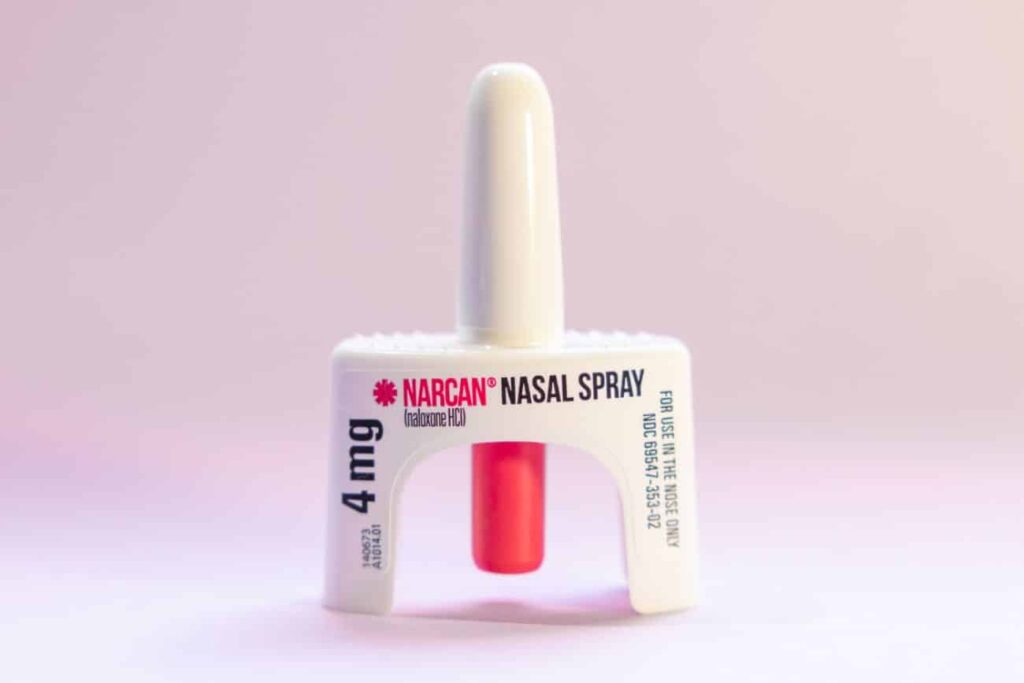
In the face of an opioid overdose, every second counts. Naloxone is often known by the brand name Narcan. It is a life-saving medication that can rapidly reverse the effects of an opioid overdose and restore breathing. However, a critical question lingers on how long does Naloxone last. This knowledge is essential for anyone who might encounter an opioid overdose situation. This blog post explores the crucial topic of naloxone’s duration, empowering you to understand its limitations and act effectively in an emergency. Duration and Its Significance In critical situations involving opioid overdoses, understanding the duration of naloxone’s effects becomes paramount. Before exploring that further, however, let’s establish the context for naloxone’s importance. Opioid Overdoses Opioid overdoses arise when an individual consumes a quantity of opioid medication, exceeding their body’s ability to process it safely. This presents a danger due to the impact on the respiratory system. This critical system is responsible for continuously exchanging gases, bringing life-sustaining oxygen, and removing waste carbon dioxide. When opioids attach to receptors in the brainstem, which is the control center for breathing, they disturb this crucial rhythm. This can lead to shallow, slowed breathing or complete respiratory arrest, ultimately depriving the body of oxygen. Prescription and Illicit Drugs It’s essential to recognize that opioid overdoses can occur with a variety of opioid drugs. Here’s a concise overview, Prescription Opioids: Powerful pain medications like oxycodone (OxyContin), hydrocodone (Vicodin), and morphine can lead to overdoses if misused, either intentionally or unintentionally exceeding recommended dosages. Illicit Opioids: Heroin, a highly addictive illegal drug, carries a significant risk of overdose. Fentanyl, a synthetic opioid often far more potent than heroin, has become a growing concern due to its involvement in a rising number of overdoses. Recognizing the Signs Timely intervention is crucial when an opioid overdose is suspected. Here are some key indicators to be aware of: Respiratory depression: Slow, shallow, or erratic breathing (fewer than 12 breaths per minute). Cyanosis: Blue or pale coloration of the lips and fingernails. Unresponsiveness: Extreme drowsiness or inability to be awakened. Constricted pupils: Pinpoint pupils. Altered mental state: Confusion or disorientation. Respiratory distress: Snoring or gurgling sounds while breathing. Loss of consciousness: Complete unconsciousness. If you suspect an opioid overdose, immediate action is essential. Naloxone can be a life-saving tool, but its effectiveness is intricately linked to its duration of action, which we will explore in the next section. How Long Does Naloxone Last? The critical question now arises how long does naloxone last in the body? The answer, unfortunately, isn’t a simple one-size-fits-all. While naloxone is a powerful tool in reversing opioid overdoses, its effects typically last anywhere between 30 and 90 minutes. Several factors can influence this timeframe, The type and amount of opioid taken: Different opioids have varying potencies and durations of action. For instance, a hefty dose of a long-acting opioid like methadone might take longer for naloxone to fully counteract compared to a smaller dose of a shorter-acting opioid like oxycodone. The person’s metabolism: Individual metabolisms differ in how quickly they break down medications. A faster metabolism can lead to naloxone being cleared from the body sooner, potentially shortening its effectiveness. Whether other drugs were also ingested: If the person has taken other medications or substances alongside the opioid, these can interact with naloxone and potentially affect its duration of action. Naloxone’s effects may wear off before the opioid’s effects do. This is why it’s crucial to understand not just how naloxone works but also its limitations, which we’ll explore in a later section. Duration and Effects of Naloxone Understanding how naloxone works within this critical time frame is essential. Here’s a closer look, How Naloxone Reverses Opioid Effects Naloxone acts like a competitor in the body’s battle against opioid overdose. Opioids bind to specific receptors in the brain stem, causing respiratory depression. Naloxone, however, has a higher affinity for these same receptors. When administered, naloxone swiftly binds to opioid receptors, displacing the attached opioid molecules. This effectively blocks the opioid’s effects on breathing, allowing the body to resume its natural breathing rhythm. Forms and Administration Naloxone comes in two primary forms, each with its own administration method: Naloxone nasal spray: This user-friendly option is pre-measured and delivered as a mist sprayed into the nostrils. It’s particularly well-suited for emergencies due to its ease of use. Naloxone injection: This form comes in a vial containing injectable naloxone and requires training for proper administration. Following the correct administration technique is crucial for maximizing naloxone’s effectiveness. Always refer to the specific instructions provided with your naloxone kit and seek training if available in your area. Remember, seconds matter in an opioid overdose situation. Don’t hesitate to administer naloxone if you suspect an overdose, even if you’re unsure about the specific opioid involved. Understanding Naloxone’s Duration of Action While naloxone is a game-changer in reversing opioid overdoses, its effectiveness hinges on understanding its time limitations. As we discussed earlier, naloxone’s effects typically last between 30 and 90 minutes, but the opioid’s effects might linger much longer. This creates a critical situation: Risk of Re-overdose Once naloxone wears off, the previously blocked opioid receptors become available again. If the opioid is still present in the body, it can re-attach to these receptors, potentially leading to a re-overdose. This is why the clock starts ticking after administering naloxone. Here’s what you must do Stay with the person: It’s crucial to remain with the individual who overdosed after administering naloxone. Monitor their breathing: Continuously monitor their breathing for at least an hour, or until emergency medical services (EMS) arrive. If their breathing becomes slow, shallow, or stops altogether, repeat the naloxone dose if available. Call emergency services (EMS) immediately: Naloxone is a crucial first step, but it’s not a substitute for professional medical care. Always call 911 or your local emergency number after administering naloxone. Medical professionals can provide further medical care, including administering additional doses of naloxone if needed and monitoring the person for a longer period, significantly reducing