
Parenting Tips For Your Teenager With Borderline Personality Disorder

Parenting a teenager is already tough, but if your teen has Borderline Personality Disorder (BPD), it adds more challenges. BPD is a mental health issue where someone has big mood swings, does risky things, and struggles to control their feelings. If you’re one of the many parents dealing with this, it’s important to give your teen lots of support and guidance. Encourage them to get help from professionals. Getting the right medical care is key. As a parent, you can create a safe and stable home by setting clear rules and showing understanding. This helps your teen feel secure and supported, which is crucial for their well-being. Parents should also watch their own behavior because it affects their teen’s BPD. Encouraging healthy habits like exercise and relaxation techniques can also be helpful. Programs like Dialectical Behavior Therapy (DBT) can give teens the skills they need to handle BPD better and live happier lives. Understanding how to handle this as a parent is important for your teen’s happiness and your family’s harmony. Struggling to Communicate with Your Teen? Your teen doesn’t have to face this battle alone. With evidence-based therapies like DBT and family support programs, there is hope for a brighter tomorrow. Find Expert Help Now 732-798-7743 Understanding Borderline Personality Disorder in Teenagers BPD in teenagers can show up in many different ways, so it’s important for parents to understand its symptoms and behaviors. According to the The National Institute of Mental Health (NIMH), borderline personality disorder affects about 1.4% of adults, and its prevalence among adolescents is between 0.9% and 3%. A teenager’s life can be more complicated than it seems. Sometimes, teens might act impulsively or in ways that seem out of character. Intense emotions or being overly concerned about fitting in are common experiences for many teens. Adolescents face many changes in their lives, including shifts in school, social circles, and emotions due to hormonal changes. While borderline personality disorder doesn’t have officially recognized subtypes in diagnostic manuals like the DSM-5, some clinicians and researchers have identified patterns or subgroups of symptoms within BPD. These subgroups are not universally accepted but are sometimes discussed in the field of psychology: Discouraged Borderline: Individuals with this subtype often struggle with feelings of self-doubt and inadequacies. They might have difficulty expressing their anger outwardly and instead turn it inward, leading to self-harm or depressive symptoms. Petulant Borderline: This subtype may exhibit more outwardly directed anger and hostility. They might feel a sense of entitlement and may have more disruptive relationships due to their difficulty in managing emotions and impulsivity. Impulsive Borderline: Individuals in this category tend to display prominent impulsivity in their behaviors, which can include substance abuse, reckless driving, binge eating, or risky sexual behavior. They might struggle intensely with controlling their impulses. Self-Destructive Borderline: This subtype may exhibit the most self-harming behaviors, including suicide attempts, cutting, or other self-injurious behaviors. They may have extreme difficulties with regulating their emotions and might engage in behaviors that put their lives at risk. However, it’s crucial to distinguish between typical teenage behavior and signs of a more serious issue like BPD. Recognizing these differences is important for identifying and supporting teenagers who may be dealing with mental health challenges. Key Solutions in Parenting a Borderline Personality Disorder Teenager 1. Educate Yourself About Borderline Personality Disorder Knowledge is power. Learn about the symptoms, triggers, and treatment options for teenagers. Recognizing borderline personality disorder is complex due to its association with other conditions, leading to intense reactions and emotional instability in affected individuals. Many people close to someone with borderline personality disorder often sense that something isn’t right without understanding what it might be. Learning about a BPD diagnosis can bring both relief and a renewed sense of hope. 2. Foster a Supportive Environment Creating a supportive and stable environment at home is crucial for a teenager with BPD. Establishing predictable routines and open communication channels can aid in managing their emotional turbulence. Supporting someone through challenging times requires patience, non-judgmental understanding, and consistency. Embracing a calm demeanor while reminding them of their strengths can foster resilience. Setting clear boundaries aids in maintaining a healthy dynamic while planning and understanding their triggers allow for proactive support. Providing distractions can be beneficial, offering moments of relief and redirection from their difficulties. These positive actions collectively create a supportive environment, demonstrating care and empathy while assisting them in navigating their challenges. 3. Practice Patience and Empathy Dealing with the erratic behavior of a borderline personality disorder teenager requires immense patience. Showing empathy and understanding during their emotional outbursts can help in diffusing tense situations. 4. Encourage Therapy and Treatment Encourage your teenager to engage in therapy and seek professional help. Evidence-based treatments like Dialectical Behavior Therapy (DBT) have shown effectiveness in managing BPD symptoms in adolescents. Instead of using absolute terms like “always” or “never,” highlight specific instances or examples that have caused your apprehension, detailing the problematic behaviors you’ve observed. 5. Implement Healthy Boundaries Establishing boundaries is essential for both the parent and the teenager with BPD. Setting clear yet reasonable boundaries can help manage challenging behaviors while ensuring a respectful relationship. Following a well-organised schedule can reduce the sense of disorder and enhance a feeling of health in managing one’s life. This can include keeping consistent sleep patterns, regular meal schedules, exercise, and allocating time for leisure activities to support overall physical, mental, and social well-being. Consistent physical activity and a well-balanced diet have a considerable effect on mood regulation and emotional well-being. Myths around borderline personality disorder in teenagers 1. Borderline personality disorder is Just Teenage Behavior Some parents believe that the signs of borderline personality disorder in teens are merely typical adolescent mood swings, dismissing the severity of emotional instability and relationship difficulties characteristic of BPD. 2. Borderline personality disorder is Untreatable There’s a misconception that BPD is an unmanageable condition without effective treatment options. However, it might be challenging but not impossible to treat, especially in adolescents, various therapeutic
How Does Technology Addiction Affect The Brain?
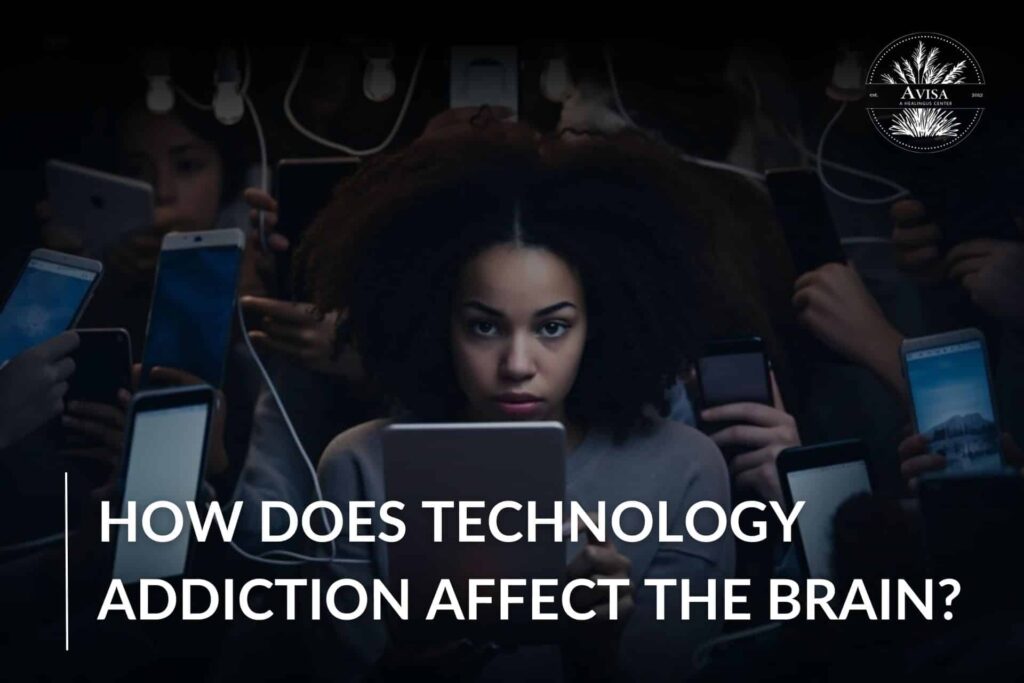
Imagine your brain as a reward center, always looking for experiences that make you feel good. When you do things you enjoy, like spending time with friends or achieving a goal, your brain releases dopamine, a chemical that makes you feel pleasure. This reward system motivates you to repeat those positive behaviors. However, in today’s digital world, technology can easily hijack this natural system. Social media, video games, and even news feeds are designed to keep you hooked, bombarding you with notifications, likes, and instant gratification. This constant loop of artificial rewards fuels technology addiction, and you might not even realize how it affects your brain. But this constant stimulation can have unintended consequences. How does technology addiction affect the brain? Let’s explore how it changes the brain’s chemistry, structure, and overall function, impacting our attention, memory, emotional well-being, and even decision-making abilities. Looking to break the cycle of tech addiction? Effective, compassionate care can guide you back to healthier habits and mental wellness. Find Support Now 732-798-7743 Technology Addiction Technology addiction refers to a compulsive and excessive reliance on digital devices and online activities, leading to negative consequences in various aspects of life. Individuals affected by technology addiction may prioritize digital engagement over other essential activities, experience withdrawal symptoms when not using technology, and struggle to control their usage despite recognizing its detrimental effects. There are some Common terms used to describe technology addiction like, Internet addiction disorder (IAD): A term often used to describe excessive internet use leading to impaired functioning in daily life. Problematic Internet use: A broader term encompassing various problematic behaviors related to Internet and digital device use, including excessive gaming, social media use, and online shopping. Digital dependency: Refers to a reliance on digital technology for emotional fulfillment, social interaction, or escapism, often resulting in negative consequences. Discussion on whether technology can become addictive. The debate over whether technology can become addictive is ongoing. While technology addiction shares similarities with substance addiction in terms of compulsive behavior and neurological responses, some argue that the term “addiction” may not accurately capture the complexity of excessive technology use. Nevertheless, research suggests that prolonged and intense engagement with digital devices and online activities can lead to changes in brain function and behavior consistent with addiction. What Are Some Technology Addictions? The allure of technology can lead to various forms of addiction, each with its own set of characteristics and consequences: Gaming addiction: Excessive and compulsive gaming behavior, often characterized by loss of control, preoccupation with gaming, and withdrawal symptoms when not playing. Social media addiction: Obsessive use of social networking platforms, leading to neglect of real-life relationships, low self-esteem, and mood disturbances. Internet addiction: Broadly encompasses problematic internet use, including excessive browsing, online shopping, gambling, and viewing of explicit content. Smartphone addiction: Over-reliance on smartphones for communication, entertainment, and information, resulting in decreased productivity, disrupted sleep patterns, and social withdrawal. These various forms of technology addiction underscore the multifaceted nature of the issue and highlight the need for comprehensive approaches to address it. Signs & Symptoms of Technology Addiction Recognizing the signs and symptoms of technology addiction is crucial in addressing its detrimental effects on individuals’ well-being. Identifying signs and symptoms of technology addiction Increased preoccupation with digital devices or online activities. Difficulty in controlling the amount of time spent on technology. Neglect of personal responsibilities, such as work, school, or relationships, due to excessive technology use. Withdrawal symptoms, such as irritability, anxiety, or depression, when unable to access technology. Continued use of technology despite experiencing negative consequences, such as academic or occupational problems, financial difficulties, or strained relationships. These signs may manifest as a constant urge to check notifications, browse social media, or play online games, often at the expense of other important tasks or social interactions. Behavioral patterns associated with excessive technology use Constant checking of smartphones or other digital devices, even in inappropriate or potentially dangerous situations. Loss of interest in previously enjoyable activities or hobbies favoring technology-related pursuits. Social withdrawal and isolation, preferring online interactions over face-to-face communication. Disrupted sleep patterns, such as staying up late to use technology or experiencing sleep disturbances due to excessive screen time. Physical symptoms, such as eyestrain, headaches, or musculoskeletal discomfort, resulting from prolonged technology use. Individuals may find themselves spending increasingly more time online, feeling a sense of anxiety or restlessness when separated from their devices, and experiencing negative impacts on their mental and physical health. How does technology addiction affect the brain? Understanding the impact of technology addiction on the brain is essential in comprehending the full scope of its consequences. 1. Explanation of the brain’s reward system The brain’s reward system is a complex neural circuit network regulating motivation, pleasure, and reinforcement. It operates on a feedback loop, where rewarding stimuli trigger the release of neurotransmitters, such as dopamine, which promote feelings of pleasure and encourage repeated behaviors. 2. Role of dopamine in technology addiction Dopamine plays a central role in technology addiction by mediating the brain’s response to rewarding stimuli. When individuals engage in technology-related activities, such as gaming or social media browsing, dopamine is released in the brain, reinforcing the behavior and contributing to the development of addictive patterns. 3. Mechanisms of how does technology addiction affect brain function Prolonged and excessive technology use can lead to structural and functional changes in the brain. Studies have shown that frequent engagement with digital devices can alter neural connectivity, particularly in regions associated with attention, memory, and emotional regulation. Additionally, the constant bombardment of stimuli from technology can lead to cognitive overload and decreased cognitive control. 4. Neurological consequences of prolonged technology addiction The neurological consequences of prolonged technology addiction can be profound and wide-ranging. Chronic exposure to digital stimuli has been associated with deficits in attention, impaired decision-making abilities, and increased risk of mood disorders, such as depression and anxiety. Furthermore, excessive screen time has been linked to changes in brain structure, including reduced gray matter volume in regions critical for cognitive
What Is Technology Addiction?
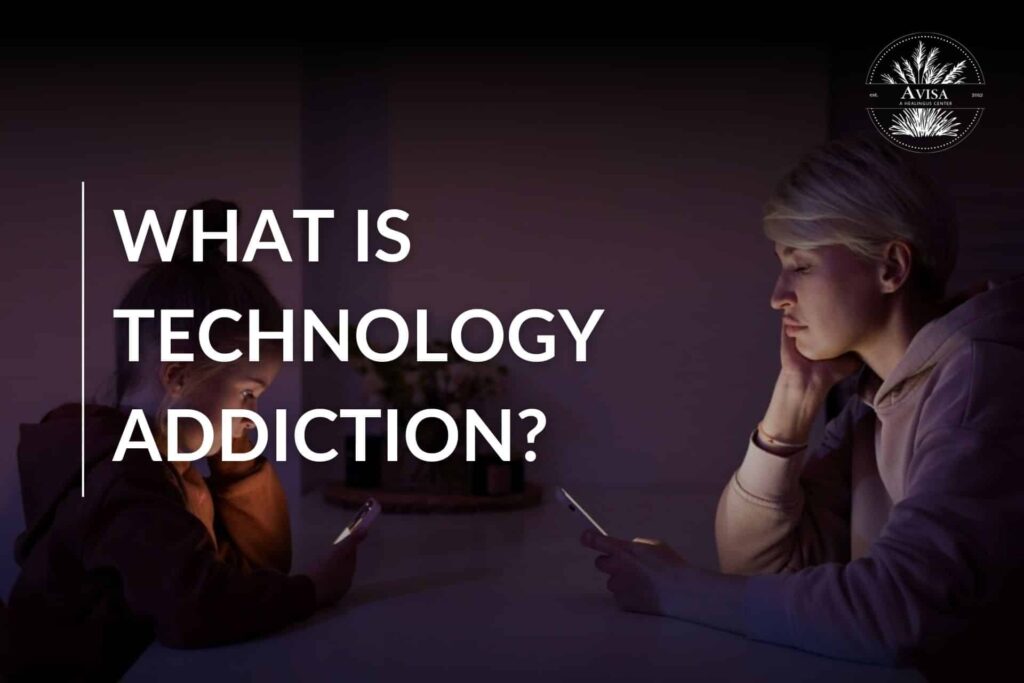
Understanding what is technology addiction, has become very important in this era of smartphones, social media, and digital experiences. This type of addiction involves behaviors like constantly scrolling through social media or spending hours playing online games. Even though technology addiction isn’t officially recognized as a clinical disorder, its impact, especially on teenagers, is significant. In this discussion, we’ll explore the details of technology addiction, including its symptoms, underlying causes, and ways to reduce its negative effects. By shedding light on this issue, we hope to raise awareness, help people recognize the signs, and encourage healthier relationships with technology. Is tech addiction causing stress and anxiety in your life? With outpatient programs, detoxification, and therapy, it’s time to find balance and regain control. Start Your treatment Today 732-798-7743 What is Technology Addiction? Understanding these effects is critical for recognizing the gravity of technology addiction and its impact on teens’ overall health and well-being. By acknowledging these consequences, What is technology Addiction, we can begin to address the underlying factors driving technology addiction and implement strategies to foster healthier tech habits among adolescents. Technology Addiction in Teens Teenagers are particularly susceptible to technology addiction. Their brains are still developing, making them more prone to seeking immediate rewards and stimulation. The constant social connection, novelty, and sense of achievement offered by technology can be beautiful. This, coupled with the pressure to stay connected with peers who are also heavily engaged online, can create a perfect storm for excessive technology use. Technology vs. Substance Addiction While technology addiction shares some similarities with substance addiction, compulsive behavior, withdrawal symptoms, and negative consequences – there are also key distinctions. Unlike substances that alter brain chemistry directly, technology addiction’s effects are primarily behavioral and psychological. Additionally, technology serves many positive purposes in our lives, making it a challenge to abstain completely. Effects of Technology Addiction The consequences of technology addiction can be significant, impacting various aspects of life: Mental Health: Excessive technology use can contribute to anxiety, depression, and social isolation. Physical Health: Sleep disturbances, eye strain, and a sedentary lifestyle are common side effects. Relationships: Technology addiction can strain relationships with family and friends as attention shifts toward the digital world. Academic Performance: Concentration and focus can suffer, leading to declining grades and academic performance. Work Productivity: Technology addiction can hinder productivity at work, leading to difficulty completing tasks and meeting deadlines. By understanding these effects, we can recognize the warning signs and take proactive steps to address technology addiction. Identifying Technology Addiction Technology is woven into the fabric of our daily lives, making it challenging to pinpoint exactly where healthy use ends and addiction begins. However, certain signs can indicate a problematic relationship with technology, especially in teenagers who are not aware of what is technology addiction. Signs of Technology Addiction in Teens Due to their developmental stage, teenagers are more susceptible to technology addiction. Here are some red flags to watch out for, Excessive Time Spent on Technology: Teens may spend an unreasonable amount of time on their devices, neglecting other activities such as homework, sleep, or socializing with family and friends. Withdrawal Symptoms: When teens are unable to use technology, they may exhibit signs of withdrawal, including irritability, anxiety, restlessness, or even anger. Loss of Interest in Other Activities: Hobbies, sports, or social interactions that once brought joy may take a backseat to technology use. Teens may prioritize screen time over real-world experiences. Neglecting Responsibilities: Schoolwork, chores, or personal hygiene may be neglected as teens prioritize their online activities. Secrecy or Deception: Teens may try to hide their technology use or lie about the amount of time they spend online, indicating a potential addiction. Sleep Problems: Excessive screen time, especially before bedtime, can disrupt sleep patterns, leading to difficulty falling asleep or staying asleep. Social Isolation: Teens may withdraw from in-person interactions, preferring to spend time online rather than engaging with friends and family. Impact on Emotional Well-being: Mood swings, anxiety, or depression may be linked to excessive technology use, particularly if teens experience negative emotions when unable to access their devices. Academic Decline: Grades and academic performance may suffer as teens struggle to focus on schoolwork or spend more time online than studying. Financial Problems: Excessive spending on in-app purchases, virtual items, or online subscriptions can indicate a problematic relationship with technology. The presence of several of these signs, particularly when they cause significant problems in a teen’s life, suggests a potential technology addiction. Early intervention can be crucial in helping them develop a healthier relationship with technology. Treatment and Management Recognizing the signs of technology addiction is the first step. Now, let’s explore strategies for overcoming it and cultivating a healthier relationship with technology. Breaking free from technology addiction requires a multi-pronged approach. Here are five key steps to consider, Get out Breaking free from the grip of technology addiction often begins with stepping away from screens and engaging in alternative activities. Whether it’s spending time outdoors, pursuing hobbies, or connecting face-to-face with friends and family, finding activities that provide fulfillment and joy beyond the digital realm can help break the cycle of compulsive technology use. Get real Technology addiction can foster a sense of disconnection from reality as individuals become increasingly immersed in virtual worlds and online interactions. Reconnecting with the present moment and cultivating mindfulness can help individuals regain a sense of grounding and perspective. Practicing mindfulness techniques such as meditation, deep breathing, or simply being fully present in everyday activities can foster a greater understanding of awareness and reduce the urge to engage with technology constantly. Make a plan Creating a structured plan for managing technology use is crucial for establishing healthy boundaries and reducing reliance on digital devices. Set specific goals and guidelines for screen time, social media usage, and online activities, and hold yourself accountable to these limits. Utilize tools such as smartphone apps or browser extensions that track usage and provide reminders to take breaks or limit screen time. Start small Breaking free