
Barbiturates vs Benzodiazepines: What’s The Difference?
When it comes to managing anxiety or sleep disorders, the options can seem hectic. Of all the multiple medications available, barbiturates and benzodiazepines are two mainly prescribed drugs. Both play a role in relaxing the central nervous system, but they have prominent differences that warrant understanding. Barbiturates, a group of sedative-hypnotic drugs, have been in use for decades. They work by depressing the central nervous system, prevailing on sedation, and stimulating sleep. Benzodiazepines, on the other hand, are a class of psychoactive drugs generally prescribed for anxiety, insomnia, and muscle relaxation. They enrich the effects of a neurotransmitter called gamma-aminobutyric acid (GABA), which has a soothing effect on the brain. Getting the points on the contrasts between barbiturates and benzodiazepines is important for healthcare professionals and patients as well. Factors such as beginning and duration of action, urge for addiction, and side effects vary considerably between the two groups. In this article, we will scratch into the differences, barbiturates vs benzodiazepines, providing thorough information to help make clever decisions about these medications. Confused about the right medication? Trusted experts offer customized strategies to keep you safe and in control of your health. Learn About Your Options 732-798-7743 How Barbiturates and Benzodiazepines work Barbiturates vs Benzodiazepines, both barbiturates and benzodiazepines exercise their effects by expanding the activity of GABA in the brain, but they do so through different mechanisms and imperative sites on GABA receptors. Barbiturates Mechanism of Action: Advanvvs GABA activity by binding to specific receptors, Lessing neuronal activity, resulting in sedation, muscle relaxation, and sleep induction. Effects: Produce relaxation, anxiety reduction, sedation, and hypnotic effects, with anticonvulsant properties at higher doses. Duration of Action: Fluctuates among short-acting (e.g., pentobarbital) and long-acting (e.g., phenobarbital) compounds, influencing the real-time and duration of effects. Benzodiazepines Mechanism of Action: Upgrades GABA activity by binding to clear-cut receptors, leading to lowered neuronal activity and CNS relaxation. Effects: performs anxiolytic, sedative, hypnotic, muscle relaxant, and anticonvulsant effects, generally prescribed for anxiety, insomnia, and muscle cramps. Duration of Action: Differs from short-acting (e.g., alprazolam, lorazepam) to long-acting (e.g., diazepam, clonazepam), affecting onset and duration of effects. Getting thorough with these mechanisms is important for healthcare professionals and patients to make informed decisions about the use of these medications in managing anxiety and sleep disorders. Medical uses of Barbiturates and Benzodiazepines Barbiturates vs benzodiazepines, both are used for treating anxiety, sleep disorders, and neurological conditions. Barbiturates provide sedation, anesthesia, and anticonvulsant effects, while benzodiazepines are favored for their anxiolytic, sedative, and muscle relaxant properties. Benzodiazepines are safer than barbiturates, especially with the respiratory depression and overdose. They’re also key in controlling alcohol withdrawal symptoms. Barbiturates Sedation Anesthesia induction Anticonvulsant therapy Short-term treatment of insomnia Benzodiazepines Anxiety disorders (e.g., generalized anxiety disorder, panic disorder) Insomnia Muscle spasms Seizure disorders Alcohol withdrawal syndrome Barbiturates vs Benzodiazepines, both have a scale of medical uses, but benzodiazepines are more prescribed due to their promising safety profile and lesser risk of overdose compared to barbiturates. However, both drug groups carry major risks of tolerance, dependence, and withdrawal symptoms, and their use should be carefully tracked by healthcare professionals. Side effects and potential risks of Barbiturates and Benzodiazepines Barbiturates, due to their depressant effects on the central nervous system, can cause drowsiness, dizziness, confusion, and impaired coordination. Additionally, they carry a high risk of tolerance, dependence, and addiction, making them unsuitable for long-term use. Drowsiness: Considerable drowsiness spoiling alertness. Dizziness: urging lightheadedness, increasing fall risk. Confusion: inherent for disorientation, especially at higher doses. Impaired Coordination: Affecting motor skills and balance. Respiratory Depression: Fatal, slowing of breathing. Tolerance, Dependence, Addiction: Risk of tolerance and dependence, leading to addiction. Overdose Risk: Narrow therapeutic index, increasing the risk of disastrous overdose. Drug Interactions: heavy interactions with various medications, impact productivity. Benzodiazepines are associated with side effects such as drowsiness, sedation, dizziness, and impaired logical function. Like barbiturates, benzodiazepines carry a threat of tolerance, dependence, and addiction, especially with extended use or high doses. Drowsiness: Common sedative effect, impairing cerebral function. Sedation: Persuading lethargy and lowered alertness. Dizziness: Increasing fall risk, specifically in older adults. Impaired Cerebral Function: Memory, attention, and concentration may be affected. Tolerance, Dependence, Addiction: Risk of tolerance, dependence, and addiction with prolonged use. Overdose Risk: Manipulated risk, especially when combined with other depressants. Withdrawal Symptoms: Anxiety, insomnia, tremors, and seizures upon discontinuation. Drug Interactions: Interactions with multiple medications, upgrading sedative effects. It is important to get thorough with these points as they are critical for healthcare professionals and patients when considering the use of barbiturates and benzodiazepines for treatment. Barbiturates vs Benzodiazepines, their Key Differences in Chemical Structure Barbiturates and benzodiazepines, both CNS depressants with sedative and anxiolytic effects, differ in their chemical structures. Barbiturates feature a pyrimidine ring fused with a dihydroxy moiety, while benzodiazepines contain a benzene ring fused with a diazepine ring. Barbiturates Contains barbituric acid moiety. Core structure: Pyrimidine ring fused with dihydroxy moiety and ketone group. Substitutions determine pharmacological properties. Characterized by a carbonyl group (C=O) contributing to sedative effects. Examples: Phenobarbital, pentobarbital, secobarbital. Benzodiazepines Feature a benzene ring fused with a diazepine ring. Core structure: Diazepine ring with two nitrogen atoms. Substitutions influence pharmacological properties. Characterized by benzene ring contributing to anxiolytic and sedative effects. Examples: Diazepam, lorazepam, alprazolam, clonazepam. Understanding these differences in chemical structure is essential for elucidating the obvious pharmacological properties and clinical effects of these drug classes. Barbiturates vs Benzodiazepines: Differences in mechanism of action Both of them act as positive allosteric modulators of GABA-A receptors, but they differ in their specific mechanisms of action. Barbiturates directly upgrade the duration of chloride channel opening and can directly activate GABA-A receptors, while benzodiazepines upgrade the partial parts of GABA for its receptor by binding to an evident allosteric site. Barbiturates Intensify the duration of chloride channel opening. Increase chloride ion influx, hyperpolarizing cell membrane. Directly activate GABA-A receptors. Inhibit excitatory neurotransmission by blocking glutamate receptors. Benzodiazepines Increase the frequency of chloride channel opening. Bind to plain benzodiazepine binding sites on GABA-A receptors. Increase
Molly vs. Ecstasy: What’s the Difference?
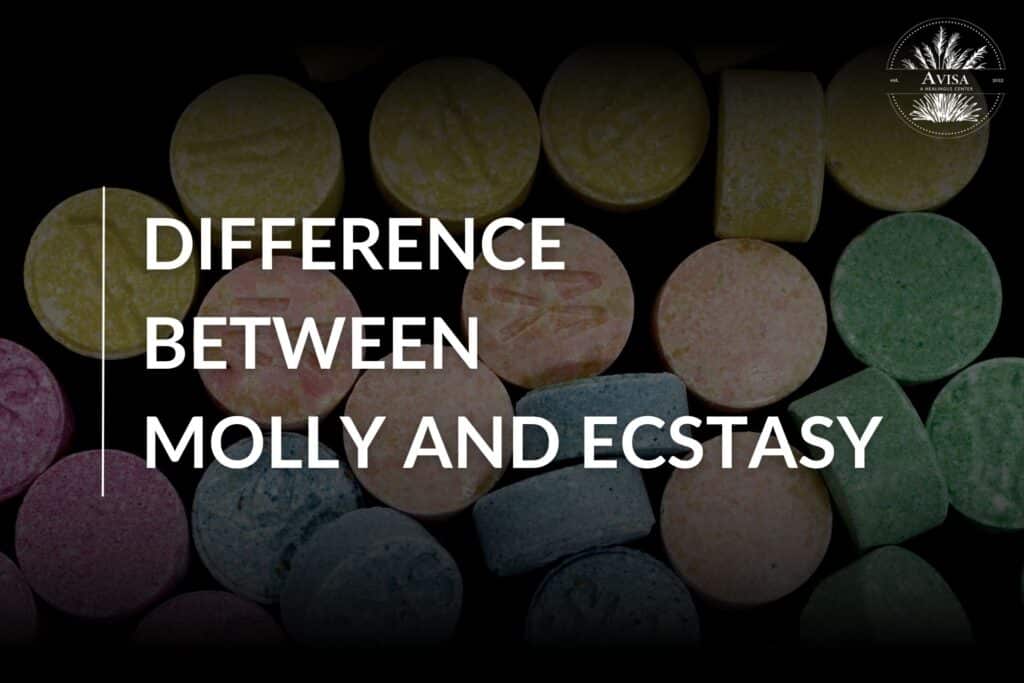
Imagine you’re at a cool club or a music festival with loud music and colorful lights. There, you might hear about two popular party drugs: Molly and Ecstasy. It’s important to know the difference between them so you can stay safe. People often use the names Molly and Ecstasy like they mean the same thing. However, they are actually different drugs with unique effects. Knowing how they differ can help you make safer choices. As clubs and festivals stay popular, so do Molly and Ecstasy. But not knowing the truth about these drugs can lead to bad health effects or even trouble with the law. By learning the difference, you can make smarter decisions and stay safer. Not knowing the truth about certain drugs can cost more than just a good time! Discover the facts and access treatments like detoxification, family therapy, and medication-assisted care to start fresh. Find Safety and Healing here! 732-798-7743 What is Molly(MDMA)? Molly, also known as MDMA or Ecstasy, is a synthetic psychoactive drug with stimulant and hallucinogenic properties. Here’s a breakdown of each aspect, Definition and Origin of Molly Molly is a slang term for MDMA (3,4-methylenedioxymethamphetamine), which is a synthetic drug that alters mood and perception. It is chemically similar to both stimulants and hallucinogens and produces feelings of increased energy, pleasure, emotional warmth, and distorted sensory and time perception. The origins of MDMA trace back to the early 20th century when it was first synthesized by a German pharmaceutical company, Merck, in 1912. Initially, it was developed as a potential pharmaceutical product but later gained popularity as a recreational drug in the 1970s and 1980s. The composition and purity of Molly The composition and purity of Molly can vary widely depending on the source and manufacturing process. Ideally, MDMA should be the sole active ingredient, but in many cases, it is mixed with other substances, such as caffeine, amphetamines, or even dangerous additives like bath salts. Purity levels of MDMA can also vary, with some batches being relatively pure and others being heavily adulterated. This lack of purity control can lead to unpredictable effects and increased risks of adverse reactions. Common forms and appearance of Molly Molly is often sold in colorful tablets or capsules with logos. Tablets vary in size, shape, and color, with diverse designs. Powdered Molly appears as white or off-white crystals. Crystal MDMA resembles small rocks or shards. Appearance can vary widely due to clandestine production. Counterfeit Molly tablets are increasingly common, posing risks. Key Similarities Between Molly and Ecstasy Shared chemical composition Both Molly and Ecstasy contain MDMA (3,4-methylenedioxymethamphetamine) as their primary active ingredient. MDMA is a synthetic drug that acts as both a stimulant and a hallucinogen, affecting serotonin, dopamine, and norepinephrine levels in the brain. Similar effects on the body and mind: They produce similar psychoactive effects, including increased energy, euphoria, heightened sensory perception (such as enhanced tactile sensations and altered perception of music), and emotional warmth. Both substances can also lead to side effects such as increased heart rate, jaw clenching, teeth grinding, muscle tension, sweating, and nausea. Common recreational use and social contexts Molly and Ecstasy are both commonly used as recreational drugs in social settings such as parties, clubs, raves, concerts, and music festivals. They are often taken for their mood-enhancing and empathogenic effects, promoting feelings of closeness and connection with others. The social context of their use often involves dancing, socializing, and experiencing the sensory effects of music and lights. Key Differences Between Molly and Ecstasy There are several differences between Molly and Ecstasy. These are often used interchangeably to refer to MDMA and have notable distinctions. Understanding the difference between molly and ecstasy can help users make more informed decisions about their consumption and potential risks. Chemical composition and purity Historically, Molly referred specifically to pure MDMA in powder or crystalline form, without any additional adulterants or cutting agents. It was perceived as a purer form of the drug compared to Ecstasy. Ecstasy, on the other hand, typically referred to MDMA tablets that were often mixed with other substances such as caffeine, amphetamines, ephedrine, ketamine, or even dangerous additives like bath salts or PMA (paramethoxyamphetamine). However, in recent years, the distinction between Molly and Ecstasy has become increasingly blurred, and both terms are often used interchangeably to refer to MDMA in various forms. Manufacturing processes and origins Molly was traditionally associated with a purer form of MDMA, often synthesized in clandestine laboratories. Some users perceived it as a safer and more controlled option compared to Ecstasy tablets, which could vary widely in purity and composition. Ecstasy tablets are typically manufactured illegally in underground laboratories, where quality control is inconsistent, and the risk of contamination or adulteration is higher. However, both Molly and Ecstasy are produced illicitly and are subject to variations in manufacturing processes, purity levels, and potential health risks. Risks and Dangers of Molly and Ecstasy Potential health risks and adverse reactions Both Molly and Ecstasy can lead to dehydration, overheating, and serotonin syndrome. Adverse reactions may include anxiety, paranoia, panic attacks, and psychosis. Overdose potential and associated complications Overdosing on Molly or Ecstasy can result in hyperthermia, seizures, cardiovascular collapse, and even death. Factors like dosage, purity, individual tolerance, and concurrent substance use contribute to overdose risk. Effects of Molly on the Body and Mind Short-term effects of Molly use Increased energy and euphoria Enhanced sensory perception Heightened sociability and empathy Jaw clenching and muscle tension Dilated pupils and impaired coordination Nausea, sweating, and dehydration Elevated heart rate and blood pressure Long-term effects of Molly use Serotonin depletion Cognitive impairments Neurotoxicity leading to brain damage Increased risk of dependence and addiction Impaired judgment and risk-taking behavior Acute psychiatric symptoms like paranoia or psychosis Mood disturbances during comedown or crash Psychological effects and risks associated with Molly consumption Risk of dependence and addiction Increased risk-taking behavior Acute psychiatric symptoms such as panic attacks or hallucinations Mood disturbances post-consumption Polydrug use, often combining MDMA with other substances Potential for
What Not to Do When Supporting Someone with PTSD

Post-traumatic stress disorder (PTSD) is a mental health condition that can develop after a person experiences a terrifying or shocking event. The symptoms, such as flashbacks, nightmares, and avoidance behaviors, can be debilitating and significantly impact daily life. While you likely want to be there for someone with PTSD, certain approaches can inadvertently make things worse. Understanding how to be a supportive presence is key. This guide will explore common pitfalls to avoid when supporting someone with PTSD. Looking for ways to support a loved one with PTSD? Effective therapies, including prolonged exposure therapy and outpatient programs, are available to guide them. Get Expert Guidance Now 732-798-7743 Understanding PTSD and Its Triggers Recognizing these triggers is crucial for both the person with PTSD and those supporting them. By being aware of potential triggers, we can create a safer and more supportive environment for healing. However, it’s important to remember that triggers can be highly personal and vary significantly from person to person. What triggers one individual with PTSD might have no effect on another. Post-traumatic stress disorder (PTSD) This is a mental health condition that develops after experiencing a traumatic event. This event could be a physical assault, a natural disaster, a life-threatening accident, witnessing violence, or any situation that caused intense fear, helplessness, or horror. Triggers These are sights, sounds, smells, places, situations, or even words that remind someone of the traumatic event. When a person with PTSD encounters a trigger, it can send them into a state of emotional distress, sometimes even causing flashbacks or panic attacks. Here are some common types of triggers and how they can affect individuals: Sensory triggers: Loud noises, bright lights, certain smells, or even tastes can be linked to the traumatic event and trigger a response. Situational triggers: Being in a crowded space, feeling trapped (like in an elevator), or experiencing a situation similar to the trauma can be triggering. Anniversary reactions: Dates, holidays, or places associated with the trauma can be difficult. Cognitive triggers: Thoughts, memories, or even internal cues like feeling overwhelmed can trigger a PTSD response. Recognizing these triggers is crucial for both the person with PTSD and those supporting them. By being aware of potential triggers, we can create a safer and more supportive environment for healing. The Worst Things to Do to Someone with PTSD Ignoring or Dismissing Their Experience Explanation of how this invalidates their feelingsWhen someone with PTSD shares their experiences, ignoring or dismissing what they say can make them feel unheard and unimportant. This invalidation can deepen their feelings of isolation and worthlessness. Potential consequencesIgnoring or dismissing their trauma can lead to increased anxiety, depression, and a reluctance to seek further support. It can erode trust in relationships and exacerbate the symptoms of PTSD. Forcing Them to Talk About Their Trauma Why this can be harmfulForcing someone with PTSD to discuss their trauma can trigger intense distress and re-traumatization. It can cause them to relive the traumatic event, leading to heightened anxiety and emotional pain. Alternative approaches to communicationInstead of pushing them to talk, let them know you’re available to listen when they feel ready. Encourage them to express their feelings in their own time and way and respect their boundaries. Minimizing Their Symptoms Understanding the impact of symptomsSymptoms of PTSD, such as flashbacks, nightmares, and hypervigilance, are real and debilitating. Minimizing these symptoms can make the individual feel misunderstood and unsupported. Why minimizing is detrimentalDownplaying their struggles can discourage them from seeking help and undermine their confidence in managing their condition. It can lead to a worsening of symptoms and a sense of hopelessness. Being Impatient with Their Progress Importance of patience in the healing processRecovery from PTSD is a gradual process that varies for each individual. Being patient and understanding is crucial to providing effective support. How impatience can hinder recoveryImpatience can pressure the person to “move on” before they’re ready, increasing their stress and hindering their healing. It can also damage the supportive relationship and create additional emotional barriers. Actions and Behaviors to Avoid Invalidating Their Feelings: Dismissing or minimizing their experiences can make them feel unheard and exacerbate their symptoms. Pressuring Them to Talk: Forcing them to discuss their trauma can trigger distress and re-traumatization. Blaming or Judging Them: Criticizing their behavior or implying that they’re responsible for their condition can worsen feelings of guilt and shame. Being Overly Protective: While support is important, being overly protective can undermine their sense of autonomy and self-esteem. Avoiding Them Altogether: Ignoring or avoiding them because you’re unsure how to help can reinforce feelings of isolation and loneliness. The Importance of Proper Support Support plays a crucial role in the recovery process for individuals with PTSD. It provides them with a sense of validation, safety, and understanding, which are essential for healing. Proper support can significantly affect their ability to cope with symptoms and regain a sense of normalcy in their lives. Positive Actions to Take Instead Listen Without Judgment: Provide a non-judgmental space for them to express their feelings and experiences without fear of criticism. Offer Empathy and Validation: Validate their feelings and experiences, letting them know that you believe them and are there to support them. Encourage Professional Help: Suggest seeking professional support from therapists or counselors who specialize in trauma treatment. Create a Safe Environment: Foster a safe and supportive environment by respecting their boundaries, providing reassurance, and avoiding triggers. By taking these positive actions and providing proper support, you can help individuals with PTSD feel understood, supported, and empowered on their journey to recovery. Tired of fighting addiction and mental health struggles? Ignoring both deepens the struggle. Our holistic approach—detox, therapy, and medication-assisted treatment—can help you heal. Take the first step today. Heal with Avisa Today! Conclusion In conclusion, avoiding the worst thing to do for someone with PTSD requires empathy, understanding, and patience. By avoiding common pitfalls such as ignoring their experiences, pressuring them to talk about their trauma, minimizing their symptoms, or being impatient with their