What is the Role of Mindfulness in Recovery?

Mindfulness is a mental state that involves paying attention to the present moment. It’s an attitude of being aware of one’s thoughts, emotions, and sensations without judging them or adding any secondary meaning. As such, mindfulness is a great tool for those recovering from substance use disorders. It can help you to understand your triggers better, identify negative thinking patterns and neutralize your cravings so that you’re less likely to fall back into your old habits. In this blog post, we’ll go over the role of mindfulness and addiction recovery and how they can be incorporated into your plan. Next Wind Recovery is a drug rehab in New Jersey. Contact us today to learn more about addiction treatment options available to you. What is Mindfulness? Mindfulness is the ability to be fully present in the moment, observing your thoughts and feelings without judgment. This state of being doesn’t require any special skill and can be brought on at any time, even while you’re engaged in other activities. Mindfulness is an essential aspect of many therapy programs, including those used in treatment for substance abuse, because it can help people to: Understand what triggers their cravings and how to avoid those situations Gain clarity on their emotions and how to respond to them in healthy ways Become aware of how their bodies and minds respond to stressful situations These abilities can help people to live healthier, more fulfilling lives overall. Why is Mindfulness Important in Addiction Recovery? Addiction is all about short-term thinking. Addicts crave immediate rewards and push away the long-term consequences of their actions. Mindfulness can help break this cycle and encourage you to live in the moment instead of dwelling on the past or worrying about the future. You’re not living in the present when you’re high or drunk. You’re not fully aware of your situation or the consequences of your actions. The same can happen when you’re craving drugs or alcohol. You’ll feel the craving but won’t be fully aware of what’s happening around you. You can use mindfulness to break this cycle and become more aware of your environment. You can notice your cravings and feelings without letting them control you. Mindfulness in recovery can help you to avoid risky situations, like being around people who use drugs, that could lead to relapse. What are the Benefits of Mindfulness in Recovery? Gives You a Greater Sense of Self – When you’re in the moment, you don’t have time to compare yourself to others or judge yourself based on your past mistakes. Instead, you can appreciate yourself just as you are. You can take pride in your strengths and be mindful of your weaknesses. With this greater sense of self-worth, you’ll feel empowered to overcome your addiction and live healthier lives. Helps You to Identify Your Triggers – You can use mindfulness to become aware of the situations that trigger your cravings and the emotions that go along with them. By paying attention to your thoughts, you can discover where your bad habits stem from and find ways to avoid them in the future. You can learn to avoid negative thinking patterns that lead to self-destructive behavior and use positive thinking to build a brighter future. Soothes Your Cravings – When craving drugs, it can feel impossible to get through the moment without giving in. You might be overwhelmed with thoughts of your drug of choice and how much you want to use. Mindfulness can help you to calm these cravings and get through the moment without falling back into your old habits. How Can Mindfulness Be Utilized in Recovery? There are many different ways to practice mindfulness for addiction. For example, you can use traditional meditation practices, guided imagery, or self-directed exercises. While there is no “right” way to practice mindfulness, some best practices can make the process more effective. Start Small – Sitting still and focusing on your breath for minutes can be incredibly daunting for people just starting mindfulness. Pick a short exercise to start with so that you don’t get discouraged and give up before seeing any benefits. Be Gentle with Yourself – If you’re beating yourself up over every mistake or judging yourself for not being “good enough,” you’re not doing yourself any favors. Instead, be gentle with yourself and be okay with making mistakes. It’s impossible to be perfect. Learn to Let Go – At some point, every person practicing mindfulness must let go of the thoughts they’re holding on to. It’s impossible to shut off your stream of consciousness completely, so you’ll always be thinking to some extent. Instead of fighting the thoughts, learn to let go of them before they become overwhelming. Next Wind Recovery Provides Mindfulness-Based Therapy for Substance Abuse At Next Wind Recovery, we offer mindfulness-based therapy as part of our holistic approach to substance abuse treatment. Our therapists will guide you through mindfulness exercises and help you to integrate mindfulness into your daily life. This can help to reduce your cravings and empower you to take control of your life again. We encourage you to contact us if you’re interested in learning more about our mindfulness-based therapy program or other treatment options. Our team is ready and waiting to help you get the treatment you need to recover fully. We’re here to help. You don’t have to face addiction alone. We can help you to create a plan that works for you and your unique situation. Call Next Wind Recovery today to learn more about our New Jersey outpatient rehab center.
What Are Effective Types of Group Therapy?

Group therapy can be used to provide relief to those struggling with anxiety, depression, post-traumatic stress disorder (PTSD), alcohol and substance abuse, attention deficit hyperactivity disorder (ADHD), and other forms of trauma. It is a form of psychotherapy that is provided to multiple patients at the same time by one or more medical professionals. Most therapy groups are focused on a particular problem. Depending on the type of challenge a person faces, in some cases, group therapy might be the best treatment option for recovery. Do you struggle with or know anyone who struggles with any of these problems? Visit us today at Next Wind Recovery to discover the New Jersey addiction treatment options available to you and the best approach to deal with whatever the challenge. What Are the Benefits of Group Therapy? There are different types of group therapy, and they have certain benefits that are common to them all. Some of the major benefits of group therapy are listed below. Different Viewpoints People have the propensity to view difficulties and situations differently due to their varied personalities and background. This serves as one of the many benefits of group therapy. This is because it includes input from a range of viewpoints. One can look at the approach of others when faced with similar situations and apply them when handling their challenges and issues. Additionally, group participants often handle their treatment at different phases and can share their experiences and coping mechanisms with others. Self-esteem Having fellow group members as friends, companions, and a support system could serve as a safety net in cases where a member relapses. This relationship could also help to boost confidence and self-esteem. With this assurance, a member can safely venture outside the group knowing that they have people to fall back on if they falter. Confidentiality Participants in group therapy must maintain discretion outside of the group, just like in individual treatment. Members of the group typically should sign a confidentiality agreement, even if they aren’t held to the same ethical standards as licensed therapists. In instances where the experiences of others are to be shared with the group, initials can be used to protect the identity of participants. Accountability When group members offer encouragement, criticism, and suggestions for dealing with difficulties, it helps others develop a sense of accountability from wanting to win the group’s approval and favor, encouraging them to move closer to attaining their objectives. What Are Effective Types of Group Therapy? Many types of group therapy are most effective when the participants take it seriously and show a certain level of commitment to the treatment regime. Some of the most effective types of group therapy include the following. Relapse Prevention Groups When a person completes a drug treatment program, they may believe their recovery journey is completed. In actuality, the real work of rehabilitation begins when a person returns to their normal daily activities. People recovering from addiction are most vulnerable during the first few months of recovery, and persons new to sobriety require extra care to make this transition much easier. Relapse prevention support groups are a common feature of aftercare programs, and they are aimed to assist clients in identifying environmental triggers that may lead to relapse. Psychotherapy Group Group psychotherapy is founded on the notion that interpersonal relationships are required to govern all areas of daily life. These groups concentrate on what members can do right now and assist members in forming a cohesive group in which they may freely share their achievements and setbacks in a secure and supportive environment. Individual group members must be able to converse freely with each other if therapists employ psychotherapy in a group environment. These meetings assist folks new to recovery in developing the interpersonal skills required to effectively communicate with others in a healthy manner. Cognitive Therapy Group These groups employ Cognitive Behavioral Therapy (CBT) and other comparable therapy approaches to assist recovering addicts newly in identifying behavioral patterns that have kept them trapped in their substance abuse. Therapists in cognitive therapy groups work with clients to manage their mental processes and addictive behaviors and provide them with methods to cope with stresses and triggers in a more proactive manner, without using drugs and alcohol. Support Groups Support groups can assist people in coping with major life upheavals, such as the death of a loved one. Members of support groups give and receive unconditional acceptance. Members are also encouraged to reflect on their personal views and habits that could cause them to turn to drugs or alcohol to cope. How to Find Group Therapy Programs in North Jersey Are you or your loved ones struggling with addiction, grief, or trauma, and living in North Jersey? Visit us today at Next Wind Recovery to get the best treatment for your challenges in the most comfortable and serene environment with well-trained professionals. Contact Next Wind Recovery today to learn more about our New Jersey drug rehab center.
What Are the Benefits of Holistic Addiction Treatment?

Addiction is a serious problem in America, and many people seek treatment. By employing the right treatment, many people can manage their addiction effectively. Over the years, healthcare providers have been embracing the holistic approach to health and wellness. The holistic approach has grown quite popular in addiction treatment as well. Individuals are becoming aware of the advantages of treating addiction holistically and are looking for treatment alternatives that employ this approach. As a result, holistic addiction treatment has become more popular, and many treatment facilities now provide it. What is Holistic Drug Treatment? Holistic drug treatment is an umbrella term that refers to a “whole person” approach to addiction treatment. This means that all aspects of a patient’s health, including physical, psychological, emotional, social, and spiritual well-being, are addressed in treatment. Holistic treatment is founded on the premise that there is an integration of a person’s mind, body, spirit, and emotions. A holistic approach to addiction recovery addresses the whole person—not just one part of the individual or a specific symptom that the individual is showing. Holistic addiction treatment does not dismiss traditional addiction treatment methods. Rather, a combination of both approaches is incorporated into addiction treatment. While regular addiction treatment like cognitive behavioral therapy (CBT), medication-assisted treatment (MAT), and other evidence-based treatments are commonly used and accepted in addiction treatment, holistic approaches can help improve your overall quality of life. What are Examples of Holistic Treatment? There are several holistic treatments available for addiction recovery. Examples of common holistic treatment for addiction include: Exercise Biofeedback and Neurofeedback Yoga Art, Music, or Writing Therapy Hydrotherapy Nutritional Therapy Acupuncture Sound Therapy Reiki Massage Therapy Breathwork Aromatherapy Nature Therapy Shamanic Healing Experiential Therapy Energy Healing Meditation and Mindfulness Kirtan Hypnotherapy Tai Chi Equine Therapy and other Animal Therapies What are the Benefits of Holistic Addiction Treatment? The specific benefits of each type of holistic treatment vary, but we’ll discuss the general benefits of a holistic approach. Improved Overall Health You wouldn’t be able to make the most of your new life if you continued to be in terrible health after recovery. The holistic approach covers all aspects of your life to improve your overall health. Addiction can cause damage to your body and brain over time, and holistic treatment helps to address some of these problems naturally. For example, holistic therapies like yoga and nutritional counseling have a substantial and evident effect on health. Others have a more subtle impact. Many people who suffer from addiction also have mental health disorders. Holistic therapies can help address co-occurring mental health issues and help you live better overall. For more information about holistic addiction treatment, contact Next Wind Recovery today. Next Wind Recovery is a New Jersey drug rehab center offering a variety of comprehensive treatments. Prevent Relapse Relapse prevention is a crucial part of addiction rehabilitation. Relapse rates can be reduced with holistic therapies. It helps you develop coping skills to manage stress and other factors that fuel your addiction. Furthermore, holistic therapies help you rediscover your sense of purpose and fulfillment. This is an important but frequently overlooked aspect of relapse prevention. People are more likely to stay sober if they believe they have a cause to do so; volunteering, working, creative hobbies, or having a family can all provide a sense of purpose. Develop a Spiritual Connection Holistic treatment also involves spiritual aspects of your being which are not given attention by standard addiction treatment approaches. Spirituality is defined differently by different people, yet it can be summarized as a connection with oneself and believing in something larger than oneself. Spirituality fosters a sense of belonging to people and to the world around us. It provides meaning to life. A survey of AA members—a popular group of alcoholics in recovery—revealed that those with a greater spiritual connection had a higher likelihood of maintaining sobriety than those without. There are many ways to connect spiritually, and holistic therapies are among the most successful. Highly Individualized Care Holistic addiction treatment recognizes that everyone has unique needs and aspirations. Since the holistic approach is about recognizing you as an individual, it integrates well with the individualized care concept. The emphasis of holistic treatment is on the causes of your addiction rather than masking your symptoms because it recognizes that no two cases of addiction are exactly the same. This helps to avoid more expensive long-term methods and solutions that do not address the fundamental cause of the problem. Affordable Holistic addiction treatment is surprisingly more affordable than many other addiction treatments. Using pills and intensive therapy treatments can be effective in getting you to sobriety, but these treatments are mostly costly and take a lot of time to see results. The holistic approach, however, uses simple lifestyle changes to achieve the same results making it a considerably more successful method. How to Find a Holistic Treatment Center in North Jersey If you are looking for holistic addiction treatment centers in North Jersey, turn to Next Wind Recovery. Next Wind Recovery provides holistic and dual diagnosis treatment in New Jersey. We acknowledge that everyone is different and employ individualized care for each of our clients based on their specific needs. Don’t wait another day. Contact Next Wind Recovery now and schedule a free consultation with our experts
What Is the Best Treatment for Dual Diagnosis?
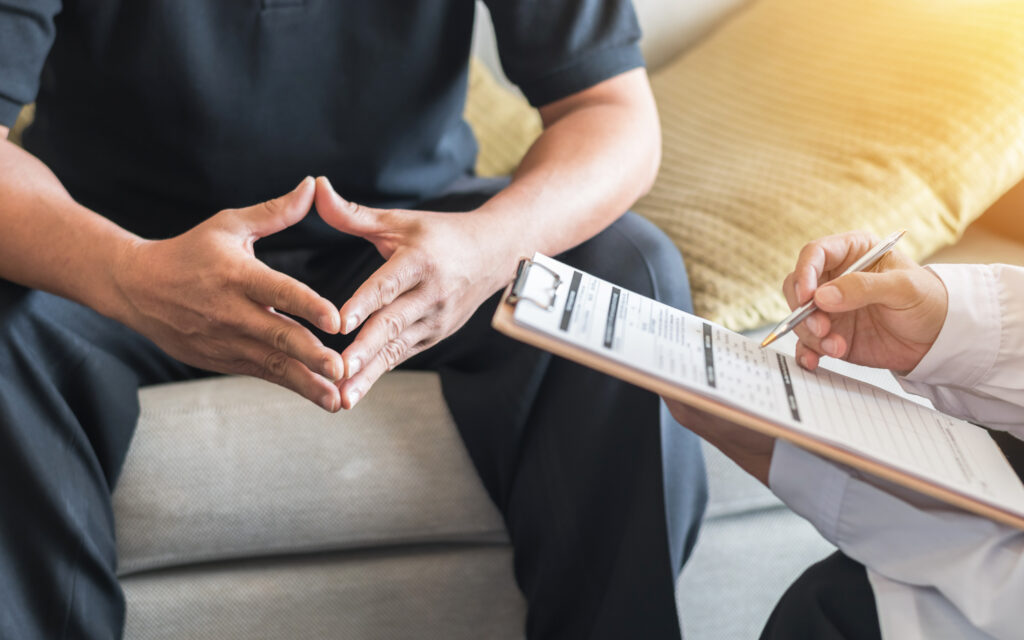
An easy way to explain dual diagnosis is considering if you or someone you know has been diagnosed with a mental health condition, it’s important to get treatment. But what if you also have a substance use disorder? This is called dual diagnosis, and it’s important to address both conditions simultaneously. By learning what is the best treatment for dual diagnosis, we can be better prepared to treat underlying dual diagnosis concerns. There are a few different treatment approaches, but the most important thing is to find a program that meets your needs. Next Wind Recovery is committed to providing adequate treatment for dual diagnosis to all patients based on age and condition. Our health experts implement a comprehensive approach that affects the patient’s physical and psychological state. Call us today to learn more about our drug rehab in New Jersey. What Are Co-Occurring Disorders? Two types of disorders tend to occur together: mental disorders and substance abuse disorders. These are called co-occurring disorders or dual diagnosis. When someone has a dual diagnosis, it can be tough to know the best course of treatment. That’s because each disorder needs to be treated separately. However, some general guidelines can help. Engage Simultaneous Treatment The first step is to ensure that both disorders are treated simultaneously. That way, each can be addressed properly. Find a Dual Treatment Option It is also important to find a treatment team that includes a psychiatrist and a therapist who is experienced in treating both disorders. Look Out For Targeted Treatment Another factor is to ensure that the treatment plan is tailored specifically for the individual. That means considering the person’s age, culture, and other factors influencing their treatment. The proper treatment makes it possible to live a healthy and productive life even with a dual diagnosis. What Are Common Dual Diagnosis Disorders? Some of the most common dual diagnosis disorders are anxiety disorders, depression, and substance abuse. Getting an accurate diagnosis and appropriate treatment for each individual’s disorder is vital to provide the best possible outcome. One of the most difficult aspects of treating dual diagnosis is that each disorder can worsen the symptoms of the other. For example, someone with anxiety may start drinking alcohol to self-medicate and cope with their anxiety, but then the alcohol use can make the anxiety worse. It becomes a vicious cycle that can be difficult to break without professional help. There is hope if you or someone you know is struggling with dual diagnosis disorder. Many effective rehab programs available can help improve the quality of life for those affected. One of which is Next Wind Recovery. With us, licensed and certified professional health care is guaranteed. What Is The Best Treatment For Dual Diagnosis? The best treatment for dual diagnosis varies depending on the individual’s specific needs. However, some general principles can be followed when developing a treatment plan for dual diagnosis. Diagnose Both Conditions Accurately: This can be a challenge, as symptoms of one condition often mimic those of the other. Therefore, working with a healthcare professional with experience treating dual diagnoses is important. Develop a Treatment Plan That Addresses Both Conditions: This may involve medication, therapy, or a combination of both. It is important to tailor the treatment plan to the individual, as what works for one person may not work for another. If you or someone you know is struggling with a dual diagnosis, don’t hesitate to consult a health professional for help. Next Wind Recovery is considerably affordable and the best option for your substance abuse dual diagnosis treatment. How To Find Dual Diagnosis Treatment In North Jersey Finding the best substance abuse dual diagnosis treatment in North Jersey might seem arduous. However, many different options are available, and it can be overwhelming to try to figure out which is best. There are certain factors to consider to help find the best treatment center. This includes; Ensure that the program offers specialized target treatment for your cause. Availability of behavioral therapy. Availability of family therapy and individual therapy services. Is the treatment center inpatient or outpatient? There are many different types of dual diagnosis treatment available. The best type of treatment for you will depend on your specific situation. Some common types of treatment include: Inpatient Treatment: This means that you will live at the treatment center while you receive care. This can be a good option if you need around-the-clock care and support. Outpatient Treatment: Outpatient treatment allows you to live at home and visit the treatment center for appointments. This can be a good option if you have a strong support system at home. Individual Therapy: Individual therapy involves meeting with a therapist one-on-one to talk about your thoughts and feelings. This can be a helpful way to address both your mental health and substance abuse disorders. Get Help From Next Wind Recovery There is no one-size-fits-all answer to the question of what is the best treatment for dual diagnosis. The most effective approach depends on the specific needs of the individual and the severity of their condition. Medication and counseling are usually necessary to manage mental and substance abuse disorders. The good news is that experts at Next Wind Recovery have been trained in the best methods to treat dual diagnosis. We implement a comprehensive approach to target the specific disorder. Contact us now to get the best dual diagnosis treatment in New Jersey.
What Causes Relapse?

According to the National Institute on Drug Abuse, drug abuse is a chronic, relapsing disease like hypertension, diabetes, and asthma (NIDA). You are not alone if you or a loved one recently fell back into drug usage. According to studies, more than two-thirds of people relapse within months of starting addiction treatment. According to the National Institute on Drug Abuse, between 40% and 60% of patients with drug use disorders will relapse. It is essential to understand what causes relapse to avoid potential pitfalls in recovery. Although relapse is a typical symptom of addiction, it can be distressing and even deadly. Relapses happen, but that doesn’t imply the road to recovery is finished. This setback can be overcome so that rehabilitation can resume. What Is Drug Relapse? It might take time to overcome an addiction to alcohol or any drug. Relapses are a common component of recovery from alcohol and other substance use. Relapse rates for chronic illnesses like asthma, hypertension, and addiction are identical (50% to 70%). The recurrence of a clinical disease that has previously improved is referred to as a relapse. Relapse is the restart of substance use following an attempt to quit or a time of abstinence in addiction therapy. Relapses can occur, like in the case of someone who resumes drug usage after months of treatment. Relapse is typical throughout the rehabilitation process, but it may also be incredibly harmful and result in overdose with some substances. After prolonged abstinence from drugs, a person often has a lower tolerance to the substance. Their body is less dependent on the medication than it once was, so they require less of it to experience its effects. An overdose occurs when a user consumes so much substance that they either die, endure painful side effects, or both. However, there are situations when the user is unaware of this. They could overdose if they consume the same amount of the substance as they did before stopping. It is essential to deal with a person’s relapse quickly. To comprehend what occurred and the causes, as well as what actions you can take to ensure that it doesn’t happen again, you and your loved one should consult with a doctor or clinical treatment specialist. This could entail starting over in therapy, making changes to treatment, or attempting an alternative treatment strategy. The best drug rehab in New Jersey is what we provide. Next Wind Recovery offers outpatient treatments, including counseling and medication. This gives people in recovery or going through a relapse a better experience and a very high success rate. What Causes Relapse? A variety of factors can cause relapse. Dependent alcohol or drug addiction and personal difficulties are strongly correlated. These can lead to difficulty at work, persistent emotional and psychological problems, and social or economic concerns, including monetary hardship, exclusion from social support networks, and issues in interpersonal relationships. Relapses are just the continuance of old coping mechanisms that need to be swapped out for new ones; they do not indicate that the individual is “weak” or a “failure.” Because people frequently are not aware that they are relapsing, regardless of the reason, When someone recognizes they are in the breakdown stage, they have already resumed taking their drug of choice. Several situations might encourage relapse. They include: Conditions or locations where the individual would have previously used alcohol or another drug, for example, are situations that entice the person to resume drug use. Some situations cause people to take drugs as a coping mechanism, such as unstable housing, failure in their careers or personal lives, peer pressure, or societal shame. Underlying emotional issues may trigger a relapse causing the patient to turn to drugs or alcohol as a coping mechanism. Some persons with poor physical health may turn to over-the-counter pharmaceuticals, especially if they have chronic pain. A person attempting to stop using drugs or alcohol could feel conflicted or guilty if they fail. If this issue is not handled correctly, it may result in feelings of shame and self-blame, which increases the likelihood that the individual will continue using drugs or alcohol as a coping technique. How Can People Avoid Relapsing in Recovery? Relapse prevention has been more of a priority as research and treatment techniques have developed. Relapse prevention programs teach clients how to recognize high-risk circumstances that might trigger a relapse and react to them healthily. According to research, the most frequent relapse triggers are direct drug contact, specific stress signals associated with a person’s substance use (such as people, places, things, and emotions), and those connected to stress. By educating clients about coping skills while they are in treatment, relapse prevention attempts to counteract these triggers. The following tactics have been proven successful in lowering relapse chances for those addicted to alcohol or any drug. Avoiding specific individuals, locations, and objects: avoiding the people, locations, and circumstances that formerly prompted the person to use alcohol or other drugs may help prevent relapse. Using clinical and non-clinical assistance as necessary: A robust support system, formalized by a service provider or unofficially by a group of encouraging friends and family, will aid in preventing undesirable behaviors and circumstances. Engaging in worthwhile tasks: Encourage the individual to develop a good sense of self-image and pride by engaging in activities they like that will benefit the neighborhood, such as joining a local athletic team, choir, or special interest club. Balanced living and self-care: Substance use may be sparked by a lack of physical and emotional care. Encourage the individual to adopt healthy lifestyle practices, such as obtaining adequate sleep and rest, eating wholesome foods, and maintaining a clean living space. Finding a Relapse Prevention Program in North Jersey You could be devastated if a loved one has relapsed. However, it is reasonable to suppose that your loved one is also a little broken. It is possible to support yourself or your loved ones through this. With the help of counseling and medication, our New Jersey outpatient
What is the Role of a Rehab Alumni Program?

A rehab alumni program is a great way to maintain ongoing support long after completing a rehab program. It plays a pivotal role in relapse prevention, keeps you connected to much-needed resources, and gives you access to an ongoing network of supportive individuals. If searching for aftercare services in New Jersey, contact Next Wind Recovery today. What is the Importance of Aftercare? Aftercare is essential to your ongoing recovery. Getting help is a significant step, but completing detox and an inpatient or outpatient program doesn’t mean you will magically stay sober for the rest of your life. Many people who complete these programs deal with social isolation, and they need support to keep moving forward in the face of unexpected trials like financial hardship, repairing broken relationships, finding a job after rehab, and more. Good aftercare programs facilitate access to things like ongoing education, employment opportunities, and skill building. An aftercare program might teach you how to write a resume and point you in the direction of local job opportunities while also making you a member of a rehab alumni program. What is a Rehab Alumni Program? A rehab alumni program is a program where alumni who graduated from the same rehab program stay connected with people who have more recently completed treatment programs. Alumni in recovery are one of the most important facets of relapse prevention. Many rehab alumni programs offer social events like social outings, volunteer events, and special 12-step meetings where individuals who have come from the same rehab program can connect with one another in a safe, supportive, and sober environment. These alumni programs aim to help provide a fun place where people feel safe asking for advice or where they can get encouragement in their individual journeys. The challenges of recovery can be much more easily faced when you have a network of people who have shared in these experiences and can offer actionable advice. What is the Role of a Rehab Alumni Program in Recovery? Alumni in recovery can promote social activities centered around sobriety. The actual activities in which you engage will vary from one rehab alumni program to the next, but they can include things like: Hiking and camping Cookouts Team sports Volunteerism Arts and crafts Support groups With addiction treatment, alumni programs are a great way to be of service to others. Where you might receive support in achieving your recovery goals, as you make progress, you can, in turn, provide that same level of support to other people in their recovery goals. All of this plays a significant role in relapse prevention. Alumni in recovery can help you gain new skills, build empathy, cultivate a sense of community, and develop an attitude of gratitude while you participate in things like community-based activities and volunteerism. People recover differently, and sometimes individuals need a rehab alumni program where they can still maintain privacy or isolation when talking through intimate and emotional aspects of recovery but garner social support in fun, outdoor activities. Social media groups allow you to find encouragement in your recovery and share personal experiences even if you can’t attend volunteer events or community activities. Many addiction treatment alumni programs have an online following as well. How to Find a Rehab Alumni Program in North Jersey If you are ready to give back and to get help yourself, join Next Wind’s rehab alumni program. Our comprehensive aftercare program includes drug screening and mental health assessments to help you overcome your triggers and reduce your withdrawal symptoms. We also have home-based services that can help you find a stable living situation after your initial treatment program.As part of our addiction treatment, alumni can help you gain a sense of purpose and build a healthy network of new relationships. When you first join, you can get help from other people who have experienced the same issues securing a job, finding affordable housing, and learning how to budget or manage time. As you continue in your recovery, you can offer that same type of advice and comfort to those who have recently joined our outpatient program in New Jersey.
What is the Best Way to Detox From Alcohol?
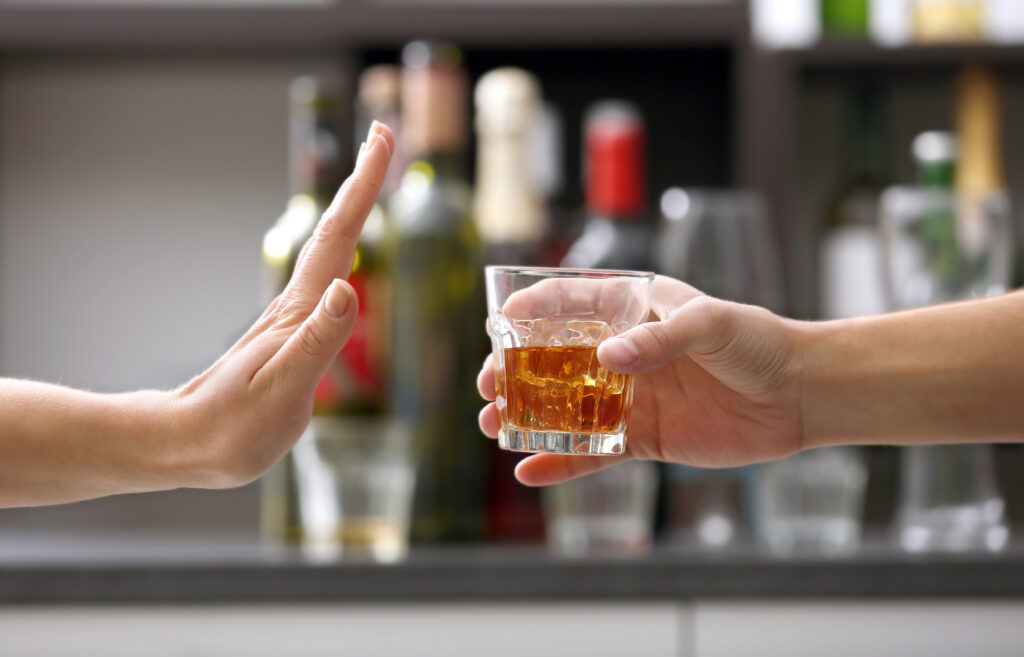
If you are struggling with alcoholism, it might be time you get help. But what’s the best way to detox from alcohol? Too often, people try to go cold turkey, getting through their withdrawal symptoms without help, but this regularly leads to relapse. Next Wind Recovery is a New Jersey outpatient rehab center. If you are interested in learning more about outpatient alcohol detox, contact us today. What Are Common Alcohol Withdrawal Symptoms? Alcoholism brings with it a wide range of withdrawal symptoms, some of which society lightly brushes off as the quintessential “hangover” feelings, but others that can be much more severe. 6 Hours Within the first six hours following your last drink, you will experience mild to severe symptoms that include: Insomnia Anxiety Headaches Nausea Sweating Shaking 12-48 Hours After that, all of these same symptoms can get much more severe. But you can also experience hallucinations and seizures. 48-72 Hours The final phase is the most dangerous. You will experience a fever, heavy sweating, confusion, and high blood pressure here. In about 5% of cases, alcohol withdrawal symptoms can result in delirium tremens, including delusions and hallucinations. What Does an Alcohol Detox Program Entail? An alcohol rehab in New Jersey begins with an assessment, after which you start your detox from alcohol under supervision to manage your alcohol withdrawal symptoms. Assessment During your initial assessment, the professionals at an alcohol detox center will ask basic questions about your alcoholism, how much you normally consume, how often, and what other substances you take. Understanding your history of substance abuse, mental health, and physical health will prepare the staff for the most effective alcohol detox program. Alcohol Detox Program Once you are ready, you check in at a North Jersey alcohol rehab center and start your detox from alcohol. This is the most dangerous time because it brings with it a serious risk of health complications like delirium tremens. With an alcohol detox center, you get 24-hour supervision from medical professionals who can provide you with over-the-counter and prescription medications as necessary to alleviate the severity of your withdrawal symptoms. Alcohol withdrawal symptoms, as mentioned, can be incredibly painful, uncomfortable, and potentially harmful to your overall health. Professionals at a Northern Jersey alcohol detox center can, for example: Give you an IV to help regulate your fluids and prevent you from getting dehydrated Provide over-the-counter anti-nausea or pain medications to control things like muscle spasms, headache, fever, nausea, and vomiting Monitor your symptoms and adjust your medications as needed Aftercare After completing your alcohol detox program, you can start the long-term aspect of your rehab with inpatient or outpatient care programs at the same North Jersey alcohol rehab center. What is the Best Way to Detox From Alcohol? The best way to manage your alcohol withdrawal symptoms is to work with a New Jersey alcohol rehab center for your detox. Medication-Assisted Treatment Medication-assisted treatment is the best way to detox from alcohol. This type of alcohol detox program involves not just supervision and medication management during your initial withdrawal symptoms but to help you manage ongoing cravings. Contact Next Wind Recovery to learn more about our medication-assisted treatment in New Jersey. For example, many FDA-approved medications to manage ongoing cravings change how your body responds to alcohol, so you no longer get the same happy drunk feeling, or alcohol consumption might make you violently ill. These changes can help you modify the way your brain might otherwise positively view alcohol consumption. Ongoing Rehab Getting through your withdrawal symptoms is only the first step. The best way to detox from alcohol is to transition from your detox program into ongoing rehabs, like inpatient or outpatient programs which include group therapy, individual therapy, and 12-step programs. How to Find Alcohol Detox Programs in North Jersey If you are ready to get help, turn to Next Wind. Our North Jersey alcohol rehab center offers a comprehensive alcohol detox program complete with medication-assisted treatment to manage your alcohol withdrawal symptoms and ongoing cravings, group therapy, individual therapy, and 12-step programs. Contact us today to learn more about our addiction treatment programs in New Jersey.
Is Medication Assisted Treatment Effective?

If you or someone you love is struggling with opioid addiction or alcoholism, it might feel like some form of rehab isn’t enough. Those who have an opioid or alcohol addiction and don’t get MAT have the highest relapse rates and relapse within the first year of treatment. But with MAT, you can treat not only the symptoms of withdrawal, but ongoing cravings, mood swings, and other mental health struggles that lead to a relapse. This blog will explore the question, is medication-assisted treatment effective and how to find programs near you. What is the Purpose of Medically Assisted Treatment? Medication-assisted treatment is a form of rehab that combines FDA-approved medications with traditional therapy. With medically assisted rehab, you get ongoing medications that either block the effects of drugs or relieve the withdrawal symptoms. This type of medically assisted treatment is best for addictive substances like opioids and alcohol. Alcohol and opioids are the most addictive substances today, posing a serious health risk to society. Both have a significant biopsychosocial impact. Opioids, for example, have the highest levels of cravings and are related to the lowest levels of self-efficacy and perceived criticism among users. Alcoholism without MAT leads to higher levels of being unemployed, single, and with a criminal record. In both groups, the most common reason people relapse within the first year is just to put themselves in a better mood. Is Medication Assisted Treatment Effective? With that in mind, medically-assisted treatment is more effective because it targets the biopsychosocial effects, controls the cravings with medications, and boosts things like self-efficacy and mood thanks to ongoing therapy. According to the PEW research center, medically assisted rehab is significantly more effective than medication or therapy alone. The combination of FDA-approved medications and therapy increases your chances of full recovery. These medications can reverse changes to the brain’s reward system, while therapy can help provide more effective coping skills. Moreover, those struggling with opioid addiction are more likely to overdose and experience a fatal overdose without access to medically assisted treatment. Why is it Necessary to Receive MAT at a Professional Rehab Center? It would help if you used a MAT rehab center for your medication-assisted treatment because the medications used are FDA-approved prescription medications. You cannot get these medications at your local grocery store or order them online. Only medical professionals can administer them, monitor your recovery, and modify your dosage as necessary. The medications administered as part of MAT are also provided during your initial detox and as part of your ongoing therapy. The use of the FDA-approved medications legally requires you to complete ongoing therapy at the same time. You cannot get the prescriptions for MAT without attending individual and group therapy sessions, something that your therapist and counselor have to report back to your doctors and the government. Finding Comprehensive MAT in North Jersey If you are to get help at a MAT rehab center in North Jersey, come to Next Wind. Our medically assisted rehab program helps you manage your pain and cravings. Getting through the first few days of your withdrawal can sometimes be the most difficult part. With our medication-assisted treatment, we can help you manage mood fluctuations. Instead of living with a perpetually bad mood and reverting to drugs or alcohol to feel good, we can help you reduce the euphoria you get from opioids or alcohol so that a relapse is a less attractive option. We also help avoid substituting one type of drug with another by integrating medications like Naltrexone into our medically assisted treatment. We know how hard it can be to function without drugs and alcohol after an addiction, but our caring team is here to help increase your chances of success with MAT and ongoing therapy. Contact Next Wind Recovery today to learn more about our New Jersey outpatient rehab.
How to Find a Job After Rehab

Recovering from substance abuse is a lifelong challenge, and many people find obstacles along their path to sobriety. One of the most common obstacles is how to find a job after rehab. There are many obstacles to finding employment, but there are just as many tips for getting a good job after rehab. If wondering how to find a job after rehab ends, Next Wind Recovery can help. Next Wind Recovery is a drug rehab in New Jersey. Contact us today to learn more about our New Jersey addiction treatment programs. Why Can it be Challenging to Find Work After Rehab? Finding a job after rehab can be challenging for many reasons: Sometimes people have a criminal history, the result of substance abuse, and that criminal history can limit the number of jobs that are available. Sometimes the barriers include gaps in employment history because of multiple stints in jail or rehab facilities, which can make finding employment after rehab impossible for companies who want to see stable employment histories. Sometimes people have financial complications, so finding employment after rehab can be difficult if any job requires things like background checks, criminal history checks, or credit checks. Other times there are technology or skills gaps, limited education, or just the stigma of working in recovery. Another way in which it’s a challenge is that some people are working in recovery. They are still attending meetings or going to therapy, so they need job opportunities that facilitate flexible work schedules while still offering full-time employment. Tips for Getting a Job After Rehab When you start looking for a job, know that you might face setbacks, which might not happen immediately, and you might very well face many “no’s” before you find the right “yes.” But with time and dedication, it can happen. Use available employment services. Many facilities and rehab programs help you transition back to daily life by obtaining higher education, child care, transportation, and employment. Good rehab facilities will be happy to help you with connections to local job opportunities or even help you with things like writing a resume. Don’t be afraid to ask around. Too often, people try to handle problems like finding a job after rehab on their own, but you shouldn’t be afraid to ask anyone and everyone in your personal network about any employment opportunities they might know of. Ask your doctor, your therapist, your counselor, people in your support group, your friends, or your family. Even if they can’t offer you an immediate, long-term job, they might be able to offer something short-term to get you back on your feet or point you in the right direction. Use online resources. Websites like America in Recovery are online job search resources specifically for people in recovery. Jobs posted on these websites are done so by employers who are already aware of the fact that their candidates are working in recovery, so you don’t have to struggle with disclosing your substance disorder or not. Are There Employment Services For People in Recovery? Yes! The government offers employee assistance programs to help in finding employment after rehab. Other prominent services include Recovery Through Entrepreneurship. Finding a job after rehab usually only means low-level or entry-level positions. That is why this organization specializes in multi-week programs that give you the financial, business, networking, and digital skills you need to start your own business. People who have overcome addiction or mental health disorders might need more flexible work schedules or a chance to work independently without some of the confinement of traditional employment. What’s more, people who have struggled in this way might have unique insight into an area of business that is in demand but not yet being fulfilled by other companies. Organizations like Jobs, Friends & Houses give people actionable skills by renovating properties and flipping them. Working with this organization gives you a chance to start an apprenticeship and obtain skills that you can use for a legitimate, long-term career. How Does Next Wind Recovery Help People Find Jobs After Treatment? Next Wind helps people in recovery with comprehensive aftercare programs. We understand that aftercare services shouldn’t be limited to ongoing group therapy. That is why we offer help finding employment after rehab, increasing your viable skills, getting help with ongoing education, and much more. Contact Next Wind Recovery today to learn more about our programs and aftercare services in New Jersey.
What Are the Anti-Craving Medicines Used in MAT?

Studies show that individuals with an opioid use disorder (OUD) who attempt total abstinence following detox are significantly more likely to relapse than individuals with other addictions. Relapse is a normal part of the recovery process. However, relapsing on opioids carries a higher risk for fatal overdoses. Because of the power of opioids, individuals with OUD often detox and relapse multiple times. Each time, it can be more dangerous. One highly effective way to combat this is incorporating medication-assisted treatment (MAT) in New Jersey into comprehensive addiction treatment. While many believe that MAT simply substitutes one addiction for another, at Next Wind Recovery, we know that these FDA-approved anti-craving medications are a critical component of successful and lasting recovery from opioids and alcohol. Find out if MAT is appropriate for you by calling us at 201.331.6569. What Are the Anti-Craving Medications Used in MAT? Medication-assisted treatment is an evidence-based treatment, meaning that its effectiveness has been proven in clinical trials. MAT is promoted and supported by public health agencies, including the National Institutes of Health (NIH) and the American Medical Association (AMA). Despite this, it remains highly controversial. Helping more people secure MAT means working to break the stigma associated with some of the medications used. Anti-Alcohol Craving Medications Because alcohol is legal and such a part of American culture, many people do not understand the severity of alcohol addiction. Alcohol withdrawal symptoms can be severe and even life-threatening. Particularly in severe cases of alcohol addiction, MAT is essential. The medications used include: Acamprosate – This unique drug does not eliminate withdrawal symptoms but helps people avoid alcohol after they quit drinking by stabilizing the chemical imbalances caused by alcohol addiction.Disulfiram – Also used after detox, this drug changes how the body eliminates alcohol, causing side effects such as headache, nausea, and vomiting if alcohol is consumed. Anti-Craving Medications for Opiates Opioid addiction quickly causes significant changes in brain and body chemistry that result in extreme psychological and physical cravings. When these powerful drugs leave the system, intense withdrawal symptoms set in quickly, a feeling known as “dope sick.” Those addicted to opioids repeatedly return to their drug of choice to avoid these intense withdrawal symptoms. MAT medications that help include: Buprenorphine – Taken as directed, this drug significantly reduces opioid dependence by reducing and suppressing opioid cravings and limiting withdrawal symptoms. Methadone – This drug reduces the cravings for opioids and can block the effects that opioids have on the body. Much like using the patch to quit smoking, methadone is used to help titrate down from opioid addiction. The Benefits of Naltrexone in MAT Naltrexone is approved by the Food and Drug Administration (FDA) to treat both alcohol use disorder (AUD) and opioid use disorder (OUD). Contrary to popular belief, Naltrexone is not an opioid. It is also not addictive and does not cause withdrawal symptoms when it is stopped. Naltrexone blocks the euphoric and sedative effects of opioids and alcohol, reduces cravings, and helps prevent relapse. Naltrexone can only be used following detox when there are no traces of alcohol or opioids in the system. Individuals who drink or use opioids while taking Naltrexone will experience severe side effects. Contact Next Wind Recovery for Medication-Assisted Treatment Medication-assisted treatment for addiction recovery is a highly effective but significantly underused approach to treatment. MAT is often mistakenly viewed as substituting one addiction for another. At Next Wind Recovery, we are dedicated to helping reduce the stigma of medication-assisted treatment. We do this by providing constant support and guidance for clients participating in MAT to ensure their medications remain at a therapeutic level. We understand that the fear of going through withdrawal often prevents people from seeking treatment for alcohol or opioid addiction. MAT can make the detox process more tolerable and reduce the risk of relapse. Contact Next Wind Recovery at 201.331.6569 if you have questions about medication-assisted treatment or want to find out if MAT can assist you in your recovery.