How to Find Treatment for Prescription Drug Abuse
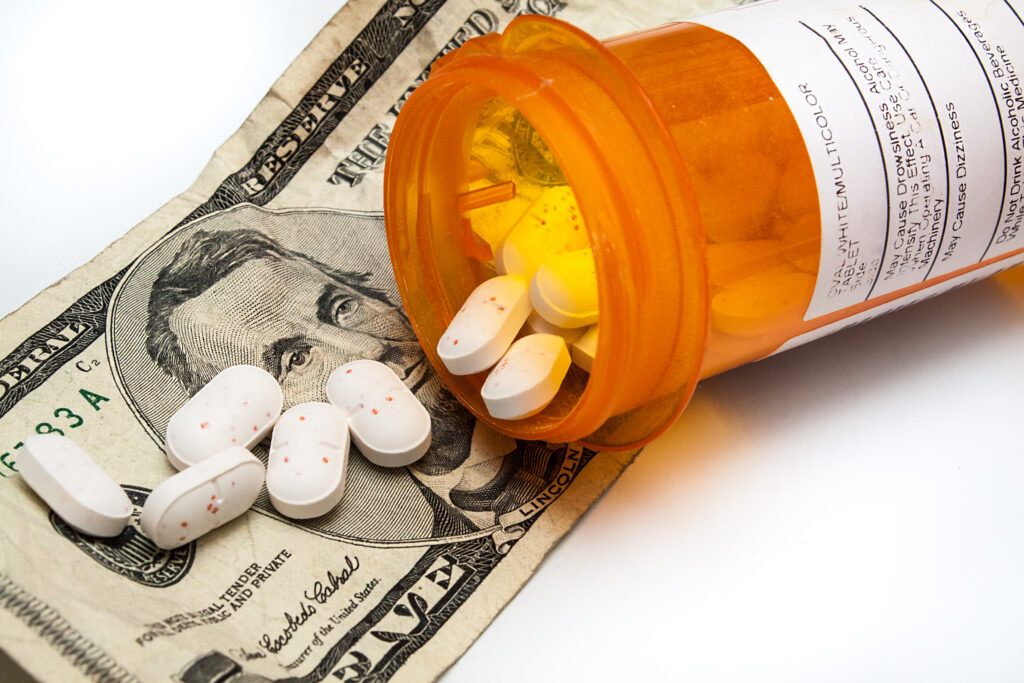
Prescription drug abuse and misuse impacts approximately 16 million people annually. This potential for long-term addiction demands extensive and qualified prescription drug treatment. At Next Wind Recovery, we offer clients the opportunity to health with us through comprehensive treatment for addiction and concurrent mental health disorders. Our dual-diagnosis program helps individuals get back on their feet and learn to manage their holistic health goals through manageable and realistic expectations. Learn more about treatment for prescription drug abuse at our top-rated drug rehab in New Jersey. Why are Prescription Drugs Abused? Unfortunately, prescription drug abuse is not uncommon and can be quite easy to develop if individuals are unaware of the dangers of the medications they are taking. Prescription drugs can easily be misused, thus starting the cycle of abuse. Misuse of prescription drugs can happen in several ways. The first and most common way an individual can misuse a prescription medication is by taking too much of it. This can occur when an individual takes more than prescribed by increasing the dosage or taking the medication too frequently. This conditions the body to need a larger amount of medication. The larger dosage can become problematic, causing unwanted side effects and dependency and increasing the risk of overdose. Another way that prescription medications can be abused is by stealing them. A prescription is designed to meet the needs of a specific individual taking into account their weight, history, and current needs. Taking someone else’s medication is dangerous. Taking the medication to get high or to alleviate unwanted physical or psychological pain in an unregulated manner is problematic. It can lead to tolerance and dependence on the medication, leading to addiction. Prescription medications can also be abused by taking them with other contra-indicated medications. By doing so, individuals increase the risk of potentially dangerous side effects and harmful outcomes related to use. This method of abuse can cause an increased risk of health complications and dramatically increases the risk of addiction. What are Prescription Drugs Commonly Abused? Several drug types are commonly abused throughout the United States. You may have been prescribed one of these medications without knowing its potentially addictive aspects. Depressants, stimulants, and narcotics make up the three main categories that addictive prescriptions are derived from. Depressants are addictive medication that includes sedatives, barbituates, and benzodiazepines. These medications sedate or depress the body’s functions. These are commonly prescribed for sleep or to prevent tremors and help individuals maintain a seizure-free state. These drugs often produce a euphoric, hypnotic, and trance-like state when abused. They can also depress a person’s nervous system to the point where they stop breathing, slip into a coma and die. Another common prescription medication that is commonly abused is stimulants. While the main stimulants that people think about, like meth and cocaine, are illegal, a much more common and easily accessible stimulant is being prescribed to adults and children across the nation. Attention deficit hyperactivity disorder, better known as ADHD, medication is a stimulant that is designed to help individuals focus and can be as addictive as other stimulants if it is not monitored. This medication can cause fog in the brain, nausea, increase metabolism that contributes to rapid weight loss, and can speed up the heart, creating life-long cardiac concerns. The most commonly abused prescription medication is narcotics. This class of drug, known by its origins, opioids and opiates, both naturally occurring and synthetic, are addictive and can create several long-term health problems for individuals. These painkillers depress the nervous system and slow the transfer of the pain signal from the source to the brain. Opioids do this by blocking the pain receptors and flooding the reward system in the brain, tricking it into believing the current state is normal and ideal. Individuals who try to stop using opioids and are not monitored by a medical professional can experience long-term depression, sedation of their organ ability, and intense cravings. How to Find Treatment for Prescription Drug Abuse in New Jersey New Jersey addiction treatment is available at Next Wind Recovery. Our comprehensive treatment facility is designed to support clients through multiple levels of addiction treatment, providing streamlined transitional care from day one. At Next Wind Recovery, we have designed New Jersey outpatient treatment programs to support your progress through prescription drug treatment and accompanying mental health treatment. We know that many times, individuals with mental health disorders can easily become addicted to drugs because of the lies and tricks the brain plays. Let us provide you with comprehensive treatment for prescription drug abuse at Next Wind Recovery today.
How Do Opioids Affect the Body?

Over the last few years, one of the fastest-growing trends in drug addiction has been opioids. Though their use has been evident for centuries, in the 21st century, they are known for their dramatic impact on overdose statistics and their potency. The opioid epidemic has impacted hundreds of thousands of lives in the last five years alone. To learn more about our opioid addiction treatment program at Next Wind Recovery, speak with an admissions coordinator today. Next Wind Recovery is an outpatient rehab center in New Jersey that offers opioid addiction treatment programs. Contact us today to learn more. What Are Opioids? Most commonly known as painkillers, opioids and opiates are narcotics that alter an individual’s capacity to identify pain. Individuals can be prescribed opioids for several different kinds of pain. As a medication prescribed by a doctor, opioids are known by their brand names; morphine, hydrocodone, and oxycodone, to name a few. Illegal opioids exist as well. The most common illicit opioids are heroin and fentanyl. Opioids are closely monitored prescriptions because of their ability to affect the physical and mental health of the individual taking them. Opioids are naturally occurring and have been on the market for over a century. During this time, medical professionals have focused on rehabilitative treatments and medical breakthroughs to support individuals that do become addicted. There are several overdose medications available for individuals at risk for an opioid overdose, as well as several Medication Assisted Treatment programs that help individuals while they are attempting to recover from opioid abuse. How Do Opioids Affect the Body? Opioids can affect the mental and physical health of the individual taking them. Their impact on an individual can be as severe as death if their use is not regulated. The effects of opioids on the brain can be some of the most damaging. While initially, opioids cause a reaction in the reward center, the systems in the body can become so dependent on this change that the individual becomes unable to stop taking the medication that causes this altered state, and they become addicted to it. Addiction is a damaging cycle complex for individuals to overcome, especially those with chronic pain, pain related to an injury, or mental pain from trauma. While the cognitive effects of opioids can take a while to become noticeable, the physical changes due to opioid use can be immediate. Taking too much of an opioid causes the systems in the body to shut down, resulting in death. Overdoses due to opioids are at epidemic levels. In 2022, more than 100,000 people in the United States died from an opioid overdose. Physically, to prevent pain, opioids block the opioid pain receptors and slow down the systems in the body. Immediate side effects of taking an opioid include nausea, constipation, lethargy, and dry mouth. Individuals who take too much of an opioid often nod off, unknowingly losing consciousness due to the drugs. Why Are Opioids So Addictive? Opioids are so addictive because of the impact they have on the brain. When an individual misuses opioids by taking too much, taking it too frequently, using it without a prescription, or taking it with other contraindicated drugs, it changes the way the brain processes the medication. The activation of the reward center due to the lack of pain can become addictive. It can also slow an individual’s processing and delay their cognitive ability to reason, focus, and elaborate. The pain-free feeling and the cravings opioids create in the body are challenging to ignore. Individuals addicted to prescription medications often transition to illegal opioids after misusing their prescriptions. Those who start with illicit opioids and unregulated use often experience overdoses and transition to more problematic opioids as their use progresses. How to Find Opioid Addiction Treatment in New Jersey At Next Wind Recovery, we are ready to help individuals on their path to long-term sobriety from opioid addiction. While the effects of opioids can damage the individual, our recovery programs are designed to support mental and physical health progress through treatment and recovery. Medical professionals have developed our opioid addiction treatment program to provide the highest quality of care in our New Jersey addiction treatment and mental health treatment programs. Through a diligent focus on recovery, we support our clients through structured counseling and outings, teaching people to live drug-free again. Learn more about the opioid addiction treatment program at Next Wind Recovery, New Jersey.
Is Vicodin Addictive?
When individuals fall and hurt themselves and require pain management, there are a number of prescription medications that medical professionals may prescribe. One of these opioid options is called Vicodin. This pain management medication has many uses to support individuals in severe pain but has many unwanted side effects as well. At Next Wind Recovery, our New Jersey addiction treatment program provides supportive care for individuals with addiction to prescription medication and those who are addicted to illegal drugs. Individuals in our program will receive compassionate care designed to comfort and encourage personal growth through recovery. Next Wind Recovery is a top-rated drug rehab in New Jersey. Learn more about our treatment for Vicodin addiction today at Next Wind Recovery. What is Vicodin? Vicodin is the brand name for a medication called hydrocodone. Hydrocodone is a painkiller medication that works to help people experiencing severe pain from a number of causes. This prescription medication is monitored closely by medical professionals due to the increased risk of addiction and overdose that this medication has. Vicodin, like many painkillers, has a number of uncomfortable and unwelcome side effects. It can impact a person’s digestive system making it difficult to eat, increasing feelings of nausea and even vomiting, and frequently causing constipation. Medications like Vicodin can also cause delayed breathing, hallucinations, and changes in menstruation. How is Vicodin Used? Vicodin is a unique medication that has many uses and fits into several important categories. Hydrocodone is a narcotic analgesic. This means that it works as a painkiller to relieve severe pain. However, hydrocodone is also an antitussive; this means that it works to stop individuals from coughing. This means that it is sometimes added to medications like cough syrup. Is Vicodin Addictive? Vicodin is an addictive prescription medication for which people can develop a tolerance for it, a dependence on it, and addiction. When an individual begins to develop a tolerance for Vicodin, the medication stops being as effective as it was initially. As a result, Vicodin’s effects lessen, and an individual may be tempted to change how much or how often they are taking the medication. However, many individuals don’t know that this first misuse step is the leading step toward addiction. When an individual begins to take the medication when they feel they need it, their body begins to develop a dependence on the medication. Taking it when they “feel like they need it” sends the brain a message that the medication will take the pain away when they hit that level. The body will then start to crave and need the medication when pain is experienced, creating a dependency on the drug based on the perceived need developing into a real need. Addiction is the final step in this process and occurs when an individual is unable to stop using, even when they recognize the damage or problems it may be causing. Addiction is when the body sends signals that it needs the medication and overrides rational thought against use. This can be dangerous and can lead to many adverse and severe side effects. What are the Symptoms of Vicodin Withdrawal? When an individual chooses to go through Vicodin withdrawal, they can expect to feel under the weather for 7-10 days, feeling the worst in the first 72-96 hours. Individuals will also experience a number of physical and psychological symptoms during the withdrawal period that can act as a deterrent from sticking to the idea of getting clean. Individuals who withdraw from Vicodin often experience physical symptoms of diarrhea, chills, stomach cramps, and vomiting. In addition, this stage of withdrawal is often associated with a nasty flu-like experience. But it can be even worse when the psychological symptoms are added on. When going through Vicodin withdrawal, individuals can often feel anxious, depressed, tired, and have mood swings that make emotional regulation during this period difficult. How to Find a Vicodin Detox Program in New Jersey At Next Wind Recovery, our goal is to support our clients through compassionate and comprehensive addiction treatment. Our New Jersey outpatient addiction treatment program offers multiple levels of intensity to help those in need. With additional aftercare services, we encourage clients to build a support system through our treatment center that extends beyond active care. Learn more about the Next Wind Recovery treatment programs available to support individuals with an addiction to Vicodin.
What Are the Types of Aftercare Programs in Recovery?

Successfully completing a drug rehab program is a major accomplishment. The hard work you put into addressing and overcoming your addiction is cause for celebration. You are ready to step back into your normal life with both feet, ready to take on the world. While completing treatment is a milestone, it doesn’t mean that your recovery is over. In reality, the real work in recovery begins once treatment ends. To minimize the risk of relapse, addiction recovery programs give you the added tools and support you need to be confident in your early recovery journey. This article will explore the different types of aftercare programs in recovery as well as the benefits of aftercare in recovery. Are you in need of quality addiction recovery programs that will strengthen your sobriety? Next Wind Recovery’s aftercare programs are evidence-based and tailored to meet your unique needs and goal. Call us today to learn more about our top-rated drug rehab in New Jersey. What is Aftercare in Recovery? Aftercare can be defined as services designed to help those newly recovering adapt to everyday life. These crucial programs address the common problems recovering people face once they complete treatment and reenter their normal lives. Aftercare recovery programs provide a safe and supportive environment that helps newly recovering people gradually transition to their normal day-to-day lives while minimizing the risk of relapse. Aftercare recovery programs are an integral part of a comprehensive drug treatment program. The focus of the different types of aftercare programs in recovery is on relapse prevention. These programs help people develop the skills they need to understand the triggers that lead to relapse and proactively use those skills. Aftercare programs can last only a few weeks, or they may last up to a year. The length of time people spend in aftercare is dependent on their needs and goals. What are the Types of Programs in Aftercare Recovery? As we know, every person is unique in regard to addiction recovery. Much like inpatient and outpatient treatment, aftercare recovery programs employ a variety of services and programs to help people stay sober. There are many effective types of programs in aftercare recovery that are individualized to meet each person’s specific needs. One of the most common types of programs in aftercare recovery is therapy and counseling. Examples of therapy used in these addiction recovery programs include the following: Another common type of program in addiction recovery is sober living, where those new in recovery share a living space with others in various stages of recovery. These houses are largely run by treatment staff, and people living in these homes work on the recovery program while working, going to school, or are in the process of finding employment or schooling. Additionally, many rehabs offer continued 12-step care, such as Alcoholics Anonymous (AA), Narcotics Anonymous (NA), and Al-Anon. For those who may be hesitant in 12-step groups, many aftercare rehab programs over alternative support groups, such as SMART Recovery and LifeRing. What Are the Benefits of Recovery Aftercare? There are many benefits associated with addiction recovery programs. First and foremost, they provide continued support after formal treatment ends. Recovery isn’t a “one and done” deal. Addiction can reappear no matter how long someone has been clean and sober. Through continued counseling and support, aftercare programs help people stay on track. Also, aftercare programs help reduce the risk of relapse by learning and sharpening life and coping skills. Additionally, aftercare programs are flexible around people’s work, family, and school schedules. People in aftercare get the help and support they need while being able to attend to their essential daily duties. Importantly, aftercare programs help widen the support network for the newly recovering addict. Through support groups, alumni groups, and connections to community resources, people in aftercare programs gain confidence knowing they have an army of people in their corner. How to Find Recovery Aftercare Programs in New Jersey Aftercare programs are vital in strengthening your coping skills and confidence in early recovery. If you are looking for aftercare in New Jersey, Next Wind Recovery is your first choice. We are a premier aftercare facility that offers evidence-based programs and services tailored to meet your needs. With expert care and support, you will gain confidence in your newfound sobriety and minimize the chances of relapse. Take your recovery to the next level with Next Wind Recovery’s aftercare programs. Call us now to learn more about addiction treatment programs in New Jersey.
Can Anxiety Cause Alcoholism?

Anxiety is a crippling mental disorder that is common in the United States. According to data provided by the Anxiety and Depression Association of America, 40 million Americans aged 18 years and older experience anxiety. While anxiety is highly treatable, many people don’t seek treatment. Instead of seeking professional help, people suffering from anxiety often turn to substances such as alcohol to cope with their feelings. While alcohol may provide temporary relief, it is a short-term solution. Without professional intervention, anxiety will grow worse over time—and people may develop a dependence on alcohol. This article will answer the question, can anxiety cause alcoholism? We will further define anxiety and its impacts on behavior. Additionally, you will learn more about the connection between alcohol abuse and anxiety. Most importantly, you will learn where you can find treatment for both anxiety and alcoholism. Are you struggling with alcoholism and anxiety and need help? Call Next Wind Recovery toll-free today and learn more about our evidence-based addiction treatment programs in New Jersey. What is Anxiety? Anxiety is defined as strong feelings of fear, dread, and uneasiness. When you experience anxiety, you may sweat, feel restless and tense, and you may have a rapid heartbeat. More often than not, anxiety is the result of stresses in your environment, such as test taking, making an important decision, or getting stuck in rush hour traffic. In most cases, anxiety subsides when the stress subsides. However, there are those who experience anxiety that lingers long after the threat dissipates. In these cases, the panic and anxiety they feel impact how they live their daily lives. When anxiety reaches these levels, people may experience an anxiety disorder. Anxiety disorders rule people’s lives, and they may start avoiding the people and places that may trigger their anxious feelings. In many cases, people with anxiety disorders fear people, places, and objects which don’t pose a threat. How Does Anxiety Impact Behavior? Anxiety impacts behavior in a variety of ways because there are several types of disorders that fall under the anxiety umbrella. Depending on the specific disorder, people can experience different behaviors. For example, For example, people who experience generalized anxiety disorder may experience these symptoms: On the other hand, those with panic disorder may experience the following: People with social anxiety disorder may display the following symptoms: Can Anxiety Cause Addiction? Can anxiety cause addiction? Definitely. As stated before, anxiety is a condition that is highly treatable with professional help. However, many people are hesitant or don’t seek treatment due to the stigma surrounding mental illness. For many who suffer, seeking help for their anxiety makes them feel “broken” and not worthy of help. To deal with their feelings and emotions, they will turn to alcohol to cope. While alcohol can numb and mute those feelings, it is a blanket solution. Without dealing with the underlying issues, the feelings of intense anxiety will return, and people will drink more alcohol as their tolerance increases. Not only does one’s anxiety grows worse, but people also develop an addiction to alcohol. Likewise, using alcohol can be a cause of anxiety. If an individual significantly curbs their intake or stops drinking altogether, it creates a wide range of withdrawal symptoms that can be uncomfortable and painful to endure. One common psychological withdrawal symptom is anxiety. Depending on the amount of alcohol consumed, the frequency in which it is consumed, the quantity, and other underlying issues, the anxiety one feels can be unbearable and difficult to shake. Since brain chemistry is significantly altered due to chronic alcohol misuse, it is possible for people to develop substance-induced anxiety disorders. How to Treat Anxiety and Alcohol Use Disorders For those who experience anxiety and alcoholism, there are many rehabs offering dual diagnosis treatment. In this specialized treatment program, mental health and addiction professionals work side by side to create an individualized treatment plan that addresses both alcohol abuse and anxiety. In cases where loved ones are resistant to treatment or are having great difficulty in a treatment program, programs centered on anxiety interventions for adults are extremely beneficial. If you are dealing with an anxiety disorder and alcoholism, Next Wind Recovery can help. We are a top-tier New Jersey dual diagnosis treatment program featuring a dynamic fusion of addiction and mental health treatment. Our New Jersey outpatient treatment program is evidence-based and individually tailored to meet your specific needs. No matter the severity of your dual diagnosis, the experienced professionals at Next Wind Recovery will give you the tools and support you need to rise above and reclaim your life. Begin your transformation today and call Next Wind Recovery.
What is the Difference Between IOP and PHP Treatment?

For those who can’t spend significant time away from family and work to attend residential treatment, outpatient rehab is highly beneficial. Outpatient drug treatment offers clients the same intensive programs found in residential treatment, but they can live at home and attend sessions that fit their schedule. The most common levels of treatment in outpatient rehab are intensive outpatient programs (IOP) and partial hospitalization programs (PHP). Both programs are effective, but there are distinct differences that need to be known before making a treatment decision. This article will dive into the difference between IOP and PHP. You will learn more about IOP programs, their benefits, and what conditions need to be met if you are needing to choose an IOP or PHP program. If you have questions about IOP vs PHP programs, call Next Wind Recovery today. We offer evidence-based IOP and PHP programs that give you the tools and support you need to find lasting recovery. Call us now to learn more about our addiction treatment programs in New Jersey. What is IOP Treatment? An intensive outpatient treatment program allows you to receive the intensive therapy and treatment programs you find in an inpatient program, but you are allowed to live at home and fulfill your family and work commitments. An IOP allows you to attend treatment programming during the day or night, depending on your work, family, or school schedule. IOPs are also known as “step down” programs because the frequency of weekly sessions and duration of each session can be decreased as you progress through treatment. Many intensive outpatient programs feature individual, group, and family therapy, 12-step group support, and life skills training. IOPs focus on relapse prevention and help you learn how to minimize the effects of triggers in your environment that can lead to relapse. You will also learn the following: On average, an IOP lasts between 9-14 weeks. During your time in treatment, you will attend programming 2-3 times weekly, with each session lasting 2-3 hours on average. The duration of an intensive outpatient program can vary depending on your needs and the severity of your addiction. What are the Benefits of an IOP? There are numerous benefits of IOPs that make them an attractive treatment option. As already discussed, IOPs are perfect for people who need quality programs and services but can’t commit to a residential program. These programs are great for people who don’t need medical detox and have addiction issues that are mild. IOPs are great for people with a strong support system at home, and clients can attend programming during day or night hours. Additionally, intensive outpatient programs are less expensive when compared to residential programs. This means that insurance may cover more of the cost, and you have less out-of-pocket expenses, provided you choose an IOP that is in-network with your insurance. If you are looking for comprehensive, intensive outpatient programs in New Jersey, Next Wind Recovery is the best drug and alcohol rehab for you. What is the Difference Between IOP and PHP Treatment? Both IOP and PHP treatment programs have great benefits, but what is the difference between IOP and PHP treatment? Is one level of care better than the other? Let’s take a deeper look at both programs and see whether an IOP or PHP is best for you. The first difference between IOP and PHP treatment is its intensity. A PHP program is considered the next step down from residential treatment and is geared toward those who have a high chance of relapse. On the other hand, an IOP is a good option for those who have a lower chance of relapse. A second difference between IOP and PHP treatment is the use of medical detox. In a PHP program, medical detox is featured not only because of high relapse potential, but many people in need of PHP have also relapsed quickly after their treatment program or have several failed attempts at treatment. IOPs mostly don’t feature detox and clients don’t need detox services. Thirdly, a distinct difference between an IOP and PHP is the length and frequency of sessions. As stated, IOP programming occurs on average 2-3 times weekly, with each session lasting 2-3 hours. On the other hand, PHP programming is more intense, and clients go to programming on average of 4-5 times weekly with each session lasting 4 hours on average. When you enter a treatment facility, experienced staff will thoroughly evaluate whether an IOP or PHP is a better fit for your needs. Next Wind Recovery Offers Comprehensive IOP and PHP Addiction Treatment Both IOP and PHP addiction treatment programs give you the tools and support you need to address and overcome addiction. As one of New Jersey’s premier rehabs, Next Wind Recovery features both IOP and PHP programs that are evidence-based and tailored to meet your needs. We believe in providing quality treatment and expert care that is affordable for all who seek our services. Be the healthy and happy person you deserve to be, and call Next Wind Recovery today.
How Does Depression Affect Drug Use?

Depression is a common and often harrowing mental illness. The following statistics provided by the National Institute of Mental Health (NIH) drive home that point: Depression is not merely being “down in the dumps”; it is a serious mental illness that severely impacts people’s lives. For some people dealing with depression, they turn to substances as a coping mechanism. This article will focus on how depression affects drug abuse, the signs of depression, and what treatment options are available for depression and addiction. Call us today to learn more about our addiction treatment programs in New Jersey. What is Depression? Commonly known as major depressive disorder, depression is a mood disorder that causes persistent feelings of sadness and loss of interest. Going beyond a simple case of the “blues,” depression affects how you feel, think and behave and can lead to a variety of emotional and physical problems if left untreated. To be officially diagnosed with depression, people must exhibit symptoms for at least two weeks prior to diagnosis. The criterion for depression diagnosis can be found in the DSM-5 and are as follows: For many people, experiencing these symptoms may lead them to drugs and alcohol. As you will see later in the article, substance abuse and depression are strongly tied together. What Are The Symptoms of Depression? The signs of depression widely vary from person to person since there are several depressive disorders that fall under the depression “umbrella.” These disorders include the following: While each disorder has unique characteristics, there are common symptoms of depression, including the following: There are also additional symptoms such as self-harm or cutting and substance abuse. Regarding substance abuse, the big question people ask is if depression causes substance abuse, and the short answer is yes. How Does Depression Affect Drug Use? The main way depression affects drug use is the fact that people turn to substances before seeking professional help. This is due to the prevailing stigma of mental illness. In many ways, using substances as a coping mechanism allows people to hide their depression from others. While drugs and alcohol do provide short-term relief from the effects of depression, it is a “blanket” solution at best. Without dealing with the underlying causes of depression, people will continue to use substances to a greater degree and may become addicted to substances as well. Another way that depression affects drug use is that some substances will worsen the depression. For example, alcohol is a potent depressant that can make feelings worse once its effects diminish. For those who use stimulants such as cocaine or meth, the immense rush of euphoria and energy are replaced by more intense feelings of depression once the effects of the drug wear off. To prevent those feelings from returning, people will continue to use drugs, worsening their condition. Are There Treatment Programs for Depression and Addiction? If you or a loved one struggle with both depression and addiction, you have a condition known as dual diagnosis. Dual diagnosis requires specialized treatment, and many drug treatment facilities feature dual diagnosis treatment programs. New Jersey dual diagnosis programs feature mental health and addiction treatment professionals working side by side to create a comprehensive treatment plan that addresses both depression and addiction. Components of dual diagnosis treatment include: As one of New Jersey’s top drug treatment centers, Next Wind Recovery features evidence-based treatment programs specifically designed to help you address and overcome depression and addiction. Our experienced team of professionals will work with you and design a customized treatment program that perfectly fits your needs. Don’t let substance abuse and depression ruin your life; call Next Wind Recovery and reclaim control of your life.
What Are the Signs of Cocaine Use?

Cocaine is a popular illicit drug found in many countries, and a significant challenge to public health. Millions of people worldwide suffer from cocaine addiction, and the impact is tremendous—the symptoms of cocaine use change from one individual to the next. The reason has to do with body weight and behavioral patterns. Most times, people don’t intend to abuse cocaine. They want to enjoy the euphoric feeling it brings. However, a one-time user can become an addict because the intense effects are short-lived. This post will discuss the signs of cocaine use and possible treatment options. If you are looking for cocaine addiction treatment programs in New Jersey, contact Next Wind Recovery today. What is Cocaine? Cocaine is an alkaloid obtained naturally from coca plants. It can also be prepared synthetically and sometimes used medically as an anesthetic during surgery. However, many people know cocaine as an illicit drug that provides a euphoric feeling to users but is detrimental to their mental and physical health. When a person uses cocaine often, it causes the small blood vessels to constrict. Also, it brings a feeling of exhilaration and leads to psychological dependence. What Are the Signs of Cocaine Use? So how can you spot the signs of cocaine abuse in a person? We shall look at obvious cocaine use signs below. How to Treat Cocaine Addiction Although cocaine addiction remains a significant health problem in the United States and globally, the best treatment methods remain a debate among healthcare providers. So as shall look at some of the popular treatment methods below. How to Find Cocaine Addiction Treatment in New Jersey Cocaine addiction is a worldwide phenomenon. If you are in New Jersey, and struggling with addiction, you can easily access one of the best treatment facilities in the country. Cocaine addiction is real, and many addicts don’t know how it can be stopped. If you observe any of the cocaine abuse signs listed here in a loved one, ensure you seek help immediately. Cocaine addiction can be stopped with the right treatment plan. Next Wind Recovery is a comprehensive drug rehab in New Jersey. Contact us today to learn more about how we can help you overcome addiction.
Are There IOP Alcohol Rehab Programs in New Jersey?

Inpatient treatment is often the gold standard for those struggling with addiction. Residential programs offer patients a safe and supportive environment while they work on their recovery. However, this treatment is time-intensive and can disrupt a patient’s personal or professional life. Since inpatient rehab only works for some people, other drug rehab programs can complement it. Intensive outpatient programs (IOP) are one such example. They involve frequent therapy sessions over several hours every week. This can be done either locally or remotely via telemedicine. If you or someone you love is struggling with an alcohol use disorder (AUD), inpatient rehab may not be the best option for you at this time. An IOP program could prove more beneficial in the long run, allowing you to keep your job and maintain relationships while still getting effective treatment. Next Wind Recovery is an intensive outpatient program in New Jersey. Contact us today to learn more. What Is an IOP? An intensive outpatient program (IOP) is a partial-to-full-time treatment program that provides a combination of therapy and support. It is often a good choice for people who aren’t able to live at a residential treatment facility. The level of care in an IOP can vary greatly, depending on the patient and the program. Some include as few as two hours of care each week, while others have daily or weekly requirements. What Are the Signs of Alcohol Abuse? Many people drink alcohol in a way that is socially responsible and healthy. However, if your drinking has become excessive or is interfering with your relationships and work, you may have an AUD. Signs of severe alcohol abuse include: Regular blackouts – This means you cannot remember what happened during a specific period. Blackouts are one of the strongest indicators that you have an AUD. Feeling guilt or shame about your drinking – If you have a moral objection to drinking or drinking in moderation, this feeling is a sign that something is wrong with your drinking habits. Financial problems due to drinking – Alcoholic beverages are often expensive, so constant financial issues are one of the clearest signs of binge drinking. If you’re spending more on alcohol than you can afford, you may have a problem. Are There IOP Alcohol Rehab Programs in New Jersey? IOP alcohol rehab programs in New Jersey allow you to treat your addiction in the comfort of your home. This means that you don’t have to disrupt your life by going away to a residential program; you can do it from the convenience of your own space. This can be especially beneficial for those in the early stages of their recovery. Getting treatment during the early stages is crucial because it can help you break the cycle of addiction. However, residential programs can be too disruptive for people in these stages. Why Is IOP Important for Alcohol Rehab? When it comes to addiction treatment programs in New Jersey, it’s important to find a program tailored to your needs. Doing so can help ease the transition from an unhealthy lifestyle to a happy, healthy existence. A residential program may be the best option for some people, but others may benefit more from an IOP. This program allows patients to continue their work, school, and other obligations while getting the support they need to overcome addiction. This can help you avoid long-term treatment’s crippling financial, social, and emotional costs. What Does an IOP Rehab Program Entail? The exact structure of any IOP program varies depending on your needs. However, most include a combination of therapy sessions, self-help groups, and other forms of support. This may include one-on-one or group sessions with an addiction specialist, group therapy, life coaching, and more. The exact makeup of the program depends on your situation, the program’s philosophy, and the recommendations of your therapist. This mix of resources can help you address the issues commonly associated with AUDs. These may include poor self-worth, anger, relationship problems, trauma, and more. Who Should Consider an IOP? An IOP can help anyone struggling with an alcohol use disorder. However, it is often a good choice for people facing time constraints. This can include people who have a full-time job, have a family to care for, or have other obligations that make residential treatment difficult. An IOP is also a good option for people in the early stages of their recovery. Residential programs can be too disruptive for people who are new to treatment. This can cause them to relapse, putting them back at square one in their journey to recovery. Next Wind Recovery is an IOP Alcohol Rehab Center in New Jersey Next Wind Recovery is a New Jersey IOP alcohol rehab center where you can receive treatment from the comfort of your home. This program can be especially beneficial for those in the early stages of their recovery. Getting therapy during the early stages is crucial because it can help you break the cycle of addiction. Residential programs can be too disruptive for people in these stages. Next Wind Recovery offers an IOP alcohol rehab program to help you overcome your addiction and lead a healthy, happy life. This program offers an unbeatable environment for healing, including: A safe space for recovery. Helpful therapy to address the issues holding you back from progress. Support from medical professionals who know how to treat addiction. A community of like-minded individuals who can help you through difficult moments in your recovery process. An endless supply of positive energy to motivate you to keep going. Call us today to learn more about our program and how we can help you take the first step toward recovery.
What Are the Benefits of Addiction Recovery Coaching?

If you struggle with an addiction, chances are you’ve considered getting professional help to kick the habit. After all, numerous studies have found that addiction recovery coaching can be a valuable tool for those trying to break their addictive behavior and lead a healthier life. An addiction coach can provide support, encouragement, and advice to help you navigate your road to recovery. An addiction recovery coach can help keep you accountable, and on track, so you don’t fall back into bad habits again. With the proper professional support, you may be able to quit your vice faster and stay sober longer than if you try to recover on your own. There are dozens of different types of coaches with diverse backgrounds and specialties. If you want to find an addiction recovery coach who can provide the kinds of services that will best suit your needs, read on for more information about what these professionals do and the benefits you can get from their services. Next Wind Recovery is a comprehensive addiction treatment center, offering care and aftercare services in New Jersey. Contact us today to learn more. What is Addiction Recovery Coaching? An addiction recovery coach helps clients set and achieve their individualized life goals. Your coach can help you identify your strengths and weaknesses and any potential roadblocks you might face on the way to your goals. The coach can help keep you motivated and focused on reaching your goals by offering continuous encouragement, advice, and support. Together, you’ll create a customized plan to address your needs and get you back on track. How Recovery Coaching Works An addiction recovery coach can help you break down your goals into smaller, more manageable steps so you can stay on track toward achieving them. They can also help keep you motivated and accountable to your recovery goals by checking in with you regularly. With the help of your coach, you can learn how to redirect your negative thought patterns and destructive behaviors into healthier, more positive habits. Your coach will help you create a personalized plan for recovery, including setting realistic expectations for yourself and identifying the resources you’ll need to succeed. Who Can Benefit From Addiction Recovery Coaching? Anyone struggling with an addiction can benefit from working with an addiction recovery coach. An addiction coach can provide support and assistance to anyone looking to recover from an addiction or make positive changes to their life, including people in the process of quitting smoking, overcoming an eating disorder, dealing with an abusive relationship, or getting over the death of a loved one. Professionals like these are specially trained to support clients with various issues and life situations. What Are the Benefits of Addiction Recovery Coaching? A substance abuse recovery coach can provide guidance and support as you work towards your goals. You can work one-on-one with a coach to gain insight into your situation, set realistic goals, and develop a plan for achieving them. Whether you’re trying to break an addictive habit, overcome an unhealthy coping mechanism, or deal with a stressful life transition, a coach can help you get back on track. A recovery coach can help you with the following: Holds You Responsible An addiction recovery coach can keep you accountable by regularly checking in and asking about your progress toward your goals. A coach will want to know what you’re doing daily to stay on track. They may ask you to attend weekly meetings, call or text them to report your progress, or track your activities and results in a journal. Helps With Transitions The recovery coach can also help with the transitions that occur during recovery. These are times when temptations are high, or the urge to use drugs or alcohol is at its peak. If the coach knows about this, they can help by encouraging you during these times or even helping to distract you from using substances. Works With You to Prevent Relapse An addiction recovery coach can help you prevent relapse by identifying potential pitfalls and working with you to overcome them. Your coach can help you manage any stress you’re facing, improve your time management and self-care skills, and identify any negative thought patterns you might have that could lead you back to your destructive habits. Supports Family Members If you’re part of a family where someone is struggling with addiction, you can benefit from working with a coach. A coach can provide guidance and resources as you work to support someone in your family who is trying to quit a harmful habit. A coach can help you learn to speak up for yourself, set boundaries, and communicate more effectively with other family members. Next Wind Recovery Offers Aftercare and Addiction Recovery Coaching in New Jersey If you or someone you know is struggling with addiction, reach out to Next Wind Recovery for help. Our addiction recovery coaches are here to support you on your journey to sobriety and help you develop a sustainable plan for long-term recovery. We offer various services, including one-on-one coaching, group support, and resources for families and loved ones. Call us today to learn more about our New Jersey outpatient addiction treatment program and how we can help you take the first step toward recovery.