
How Substance Abuse Impacts Families in Monmouth County

Substance abuse doesn’t only affect the person struggling with addiction, it impacts entire families. In Monmouth County communities like Freehold, Red Bank, Long Branch, and Asbury Park, many families are quietly navigating the emotional, financial, and relational strain that comes with a loved one’s substance use. At Avisa Recovery, we see firsthand how early recognition and proper support can protect families from long-term damage. Understanding the warning signs helps families act sooner, begin a healing process, and access the professional care their loved one needs. 1. Emotional Stress and Relationship Strain When substance use escalates, emotional tension in the household usually rises with it. Family members may find themselves: Walking on eggshells Arguing more frequently Avoiding important conversations Feeling helpless, anxious, or isolated These emotional shifts often happen gradually, making them easy to overlook. Families may blame stress, work, or “normal life challenges,” but persistent emotional strain is a major sign that professional support may be needed. For many families, the first step toward stabilization involves a structured clinical environment. Learn how Avisa Recovery’s Partial Care Program (PHP) supports both the individual and the family system. 2. Financial and Legal Consequences Substance abuse can quickly lead to unexpected expenses and financial instability – missed work, medical costs, legal fees, and the financial fallout of risky decisions. Warning signs may include: Money disappearing or unexplained withdrawals Sudden debt or unpaid bills Job loss or poor work performance Legal issues related to possession, DUIs, or disorderly conduct When consequences reach this point, families often feel overwhelmed, embarrassed, or unsure of what to do next. A clinically guided treatment plan can help address both the addiction and the underlying behaviors driving these consequences. If withdrawal symptoms or physical dependence are present, medically supervised help may be necessary. Learn more about Avisa Recovery’s Detoxification services. 3. Behavioral Changes That Signal a Problem Substance abuse impacts mood, decision-making, and personality – often long before families fully recognize what’s happening. Common behavioral warning signs include: Lying, secrecy, or avoiding family interactions Unpredictable mood swings Declining hygiene or appearance Loss of interest in hobbies or responsibilities Isolation or staying out unusually late When these behaviors appear consistently, they are often indicators of deeper issues that require intervention. For individuals who still need flexibility while receiving treatment, Avisa Recovery offers an evidence-based Intensive Outpatient Program (IOP) designed to provide structured therapy while allowing clients to maintain work, school, and family responsibilities. 4. Impact on Children and the Home Environment Substance abuse doesn’t just affect adults, it profoundly impacts children in the household. Even when parents believe they’re “hiding it,” kids frequently notice changes. Potential signs in children include: Anxiety or emotional withdrawal Difficulty focusing in school Caretaking behaviors beyond their age Fear of conflict or sudden loud noises Changes in sleep or appetite Avisa Recovery works with families to rebuild stability and create a healthier home environment, regardless of where they are in the recovery process. For clients needing added flexibility, especially parents balancing work and childcare – our Evening IOP offers an alternative schedule while maintaining strong clinical support. 5. The Ripple Effect on Family Communication Healthy communication becomes increasingly difficult when addiction is present. Families may notice: Conversations turning into arguments Avoidance of honest discussions Mistrust or secrecy Emotional distance between partners, parents, or siblings Restoring communication is often one of the first major goals of treatment. With the right clinical support, families learn how to set boundaries, rebuild trust, and reestablish healthy patterns of connection. How Avisa Recovery Supports Monmouth County Families When families recognize warning signs early, recovery becomes more achievable – and relationships have a better chance of healing. At Avisa Recovery, we offer a full continuum of care designed to support both individuals and their loved ones, including. Detoxification Partial Care Program (PHP) Intensive Outpatient Program (IOP) Evening IOP Outpatient services Sober living support Virtual treatment options Every treatment plan is customized to each individual, with family support integrated throughout the process. If Substance Use Is Impacting Your Family, You’re Not Alone Families in Monmouth County face these challenges every day – help is available! Whether you’ve just begun noticing the warning signs or you’re in the middle of a crisis, Avisa Recovery is here to provide guidance, clinical support, and a clear path forward. You don’t have to wait for things to get worse. The sooner support begins, the faster the entire family can begin to heal.
Recognizing Anxiety in Parents: Resources for Families in Toms River, NJ

Recognizing Anxiety in Parents: Resources for Families in Toms River, NJ Parenting comes with a unique set of responsibilities – nurturing, guiding, protecting, and providing. But for many parents, the emotional load can quietly become overwhelming. Between work, family life, finances, school schedules, and everyday pressures, it’s not uncommon for parents to begin experiencing anxiety, even if they’re still managing to “hold everything together” on the outside. In communities like Toms River, NJ, where families often juggle busy schedules and high expectations, anxiety in parents can show up in subtle ways – sometimes going unnoticed, even by the parent themselves. How Anxiety Can Look Different for Parents Anxiety doesn’t always look like panic attacks or constant worry. For parents, it may show up in more practical or emotional ways, such as: Feeling constantly “on edge” or overwhelmed Trouble relaxing, even during downtime Irritability or a short fuse Difficulty sleeping due to racing thoughts Persistent guilt or feeling like you’re not doing “enough” Avoiding social activities or responsibilities Overthinking small decisions Feeling disconnected or emotionally drained Parents often push through these feelings because they believe they “have to” – but carrying that weight alone can slowly take a toll on mental and physical well-being. Why It Often Goes Unnoticed Many parents are used to putting their family first – sometimes at the expense of their own emotional health. Because of this, anxiety may not show up as outward distress. Instead, it may look like: Overworking to stay productive Staying busy to avoid processing emotions Holding emotions in to avoid worrying others Taking care of others instead of themselves When anxiety is internalized, it becomes easy to believe: “This is just how life is.”But anxiety is treatable, and you don’t have to live with that constant tension. How Avisa Recovery Supports Parents in Toms River At Avisa Recovery, we understand the unique emotional pressures parents face. Our treatment approach focuses on helping individuals regain balance by addressing anxiety at its root – not just the symptoms. We work with parents to: Build healthier coping strategies Manage intrusive or overwhelming thoughts Improve emotional regulation Reconnect with a sense of calm and confidence Strengthen communication within the family system Our environment is non-judgmental, supportive, and designed for real life – not a one-size-fits-all approach. Flexible Treatment Options for Parents We offer care levels that allow parents to continue supporting their families while receiving treatment: Intensive Outpatient Program (IOP) – Ideal for parents who need structured therapeutic support that fits around work, caregiving, and daily responsibilities. Partial Hospitalization Program (PHP) – Provides more comprehensive daytime support for individuals who benefit from additional structure and guidance without requiring overnight inpatient treatment. Both programs prioritize practical tools, emotional stability, and sustainable healing – so parents can feel grounded, supported, and present in their lives again. Local Resources for Families in Toms River In addition to professional treatment, families may also benefit from: Community support groups Family counseling Parenting workshops School-based mental health resources Local wellness centers and family programs Avisa Recovery can help families explore these resources and determine what support makes the most sense for their situation. You Don’t Have to Manage Anxiety Alone If you’re a parent who feels overwhelmed, exhausted, or emotionally stretched thin – it’s not a failure. It’s a sign that you’ve been carrying a lot, for a long time. Reaching out is a step toward strength, not weakness. We’re here to walk this journey with you – one step, one conversation, one breath at a time.
How Seasonal Depression Affects NJ Residents | Where to Find Support

Understanding Seasonal Depression in New Jersey As the days grow shorter and the winter chill sets in, many New Jersey residents begin to feel their mood and motivation dip. While it’s normal to feel a little sluggish during colder months, for some people, these seasonal changes bring on something much more serious — Seasonal Affective Disorder (SAD), commonly known as seasonal depression. SAD is a type of depression linked to changes in daylight, temperature, and daily routine. It can cause feelings of sadness, fatigue, irritability, and hopelessness that return around the same time each year, often in late fall or early winter. At Avisa Recovery, we understand how difficult these seasonal challenges can be. Our mental health programs provide compassionate, evidence-based support to help individuals regain balance, find relief, and rediscover joy — even in the darkest months of the year. What Causes Seasonal Depression? The primary cause of seasonal depression is a disruption in the body’s circadian rhythm — the internal clock that regulates sleep, mood, and hormones. Shorter days mean less sunlight exposure, which can affect serotonin and melatonin levels, both of which play a key role in emotional regulation. Common contributing factors include: Reduced exposure to natural light during winter months Vitamin D deficiency Biological vulnerability to mood disorders Increased isolation or decreased social activity during colder seasons Stress from holidays or lifestyle disruptions In New Jersey, where winter days are short and gray, these triggers can be especially common. Signs and Symptoms of Seasonal Depression Recognizing the symptoms of seasonal depression early can help you get the right support before symptoms worsen. Common signs include: Persistent low mood or sadness Fatigue or lack of energy Changes in sleep patterns (sleeping more than usual or struggling to sleep) Difficulty concentrating or completing daily tasks Overeating, especially craving carbohydrates or sweets Loss of interest in hobbies or social activities If these symptoms last for weeks or interfere with your ability to function, it may be time to seek professional help. Treatment Options for Seasonal Depression The good news is that seasonal depression is highly treatable. With proper care and support, most people experience significant improvement. At Avisa Recovery, we offer several effective treatment options tailored to each client’s needs. Therapy and Counseling Cognitive Behavioral Therapy (CBT) is one of the most effective treatments for SAD. It helps individuals identify negative thought patterns and develop healthier ways to manage seasonal mood changes. Medication Management For some people, antidepressant medications prescribed by a licensed psychiatrist can help restore chemical balance and reduce symptoms. Light Therapy Special light boxes that mimic natural sunlight can help regulate serotonin levels and reset the body’s circadian rhythm — particularly effective for winter-onset SAD. Holistic and Lifestyle Support In addition to therapy, Avisa Recovery promotes a balanced lifestyle approach that includes exercise, mindfulness practices, healthy eating, and stress management techniques. How Avisa Recovery Helps Located in New Jersey, Avisa Recovery provides comprehensive mental health treatment in a safe, supportive environment. Our experienced team works with each client to create a personalized plan that addresses both seasonal depression and any co-occurring conditions such as anxiety or substance use. Many clients benefit from our Intensive Outpatient Program (IOP) or Partial Care Program (PHP), both designed to provide structured therapeutic support without the need for full-time residential treatment. Our programs include: Individual Therapy and Group Counseling to build coping skills and support networks Medication-Assisted Treatment when appropriate for mood stabilization Holistic Therapies including yoga, meditation, and nutrition guidance Aftercare Planning to help clients maintain progress throughout the year We believe recovery is possible for everyone — and that includes finding light and hope even in the heart of winter. Finding Support for Seasonal Depression in New Jersey If you or someone you love is struggling with seasonal depression, you don’t have to face it alone. Avisa Recovery offers compassionate care designed to help you navigate the challenges of seasonal mood changes and restore your sense of well-being. Our admissions team provides 100% confidential consultations and can help you verify insurance, discuss treatment options, and connect you with the right level of care. Contact Avisa Recovery today to learn more about how our programs can help you manage seasonal depression and build lasting emotional resilience.
Understanding Treatment for Multiple Personality Disorder: What Works Best?
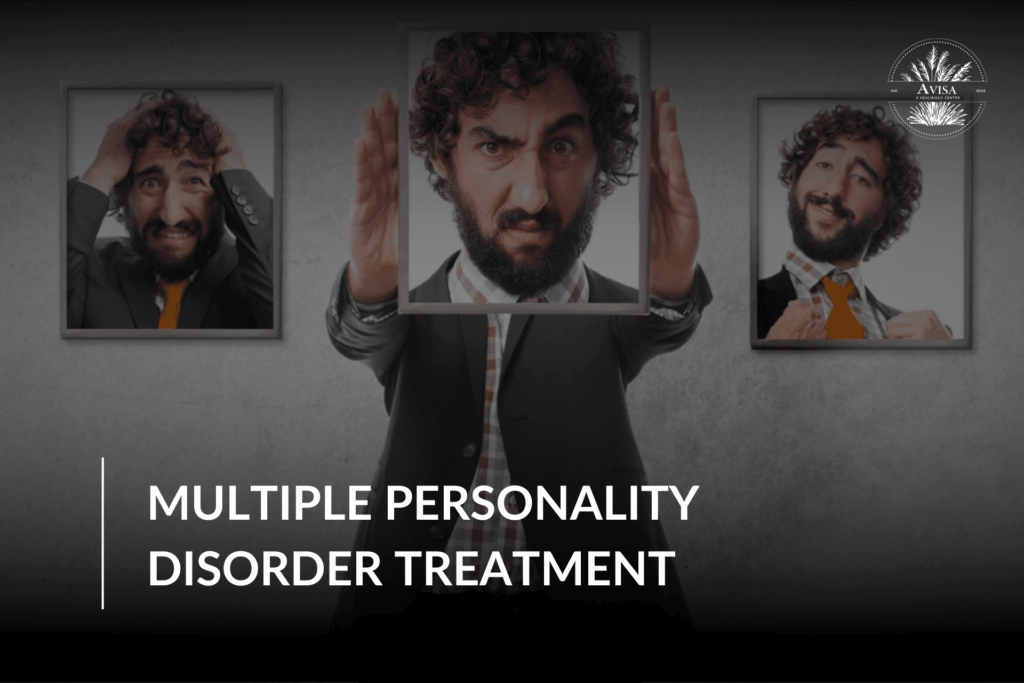
Multiple personality disorder is a mental health condition where a person has two or more different identities. Each identity may have its way of thinking, feeling, and behaving. It’s a very rare condition and affects about 1.5% of the global population. This condition is often linked to childhood trauma, where the mind tries to protect itself by creating different identities. While there isn’t a cure, multiple personality disorder treatment can help people bring their identities together and feel in control. In this blog, we’ll talk about multiple personality disorder treatments, symptoms & causes of this mental illness, along with the best approaches available. Take the first step toward integration and inner peace! With therapies like CBT, DBT, and Eye Movement Desensitization and Reprocessing (EMDR), healing is possible. Time To Heal Is Now 732-798-7743 Understanding Multiple Personality Disorder Multiple Personality Disorder, often known as Dissociative Identity Disorder (DID), is a complex mental health condition where a person has two or more distinct identities, known as “alters.” These identities can take control at different times, each with its history, personality traits, and preferences. It’s a severe form of dissociation, which happens when your mind disconnects from your thoughts, memories, feelings, or sense of identity, often as a way to cope with intense trauma or pain. This creates noticeable gaps in memory, thoughts, and behavior, which can make daily life challenging and distressing. While there isn’t a single cure, consistent treatment helps people manage and integrate their identities. Therapies focus on assisting individuals in processing trauma, reducing dissociation, and creating a sense of wholeness. Multiple personality disorder is one of several dissociative disorders that disrupt your connection to reality. Types of Multiple Personality Disorder Possession Type This feels like an outside force or spirit has taken control of your body. Others might notice you speaking or acting completely differently. This switch happens without your control and often feels unwanted. Non-possession Type This is less obvious to others. You might feel a sudden shift in who you are, like watching yourself in a movie rather than being in control of your actions, emotions, or words. It’s important to note that possession in cultural or religious practices is different and not linked to Multiple personality disorder, as those are voluntary and intentional experiences. Causes of Multiple Personality Disorder The leading cause of Multiple personality disorder is often linked to severe stress or trauma during early childhood, especially before the age of 6. Studies show that as many as 90% of people with dissociative disorders have experienced recurring, life-threatening trauma during their early years. This could include emotional neglect, physical or sexual abuse, or growing up in a frightening and unpredictable environment. These experiences can disrupt personality development and lead to dissociation as a coping mechanism. In some cases, Multiple personality disorder may also develop from persistent emotional neglect, even if there wasn’t physical or sexual abuse. Children in unsafe or unstable households are more likely to dissociate as a way to escape overwhelming situations. Triggers for Multiple personality disorder symptoms can include: Leaving a stressful or traumatic environment. Seeing loved ones reach the same age as when the trauma occurred. Experiencing a recent traumatic event, like a car accident. The loss or illness of someone tied to the past trauma. These triggers can bring up painful memories or emotions, making Multiple Personality Disorder symptoms more noticeable. Symptoms of Multiple Personality Disorder The most noticeable symptom of Multiple Personality Disorder is when a person’s identity splits into at least two separate identities or personality states. Other symptoms may include: Multiple Personality Disorder can come with a range of symptoms that affect how a person feels and behaves. Apart from the ones mentioned, here are a few others: Dissociative Amnesia A type of memory loss where you forget more than just small things. It’s not linked to any medical issue. Dissociative Fugue This is when you forget personal details about yourself and may even wander off or feel disconnected from your emotions. Blurred Identity You may feel like you have multiple personalities inside your head as if different identities are controlling you. Feeling Disconnected from Reality Sometimes, people with Multiple Personality Disorder might feel detached from their thoughts or surroundings, as if they’re watching themselves from outside their bodies. Sudden Changes in Behavior Or Mood You might experience shifts in behavior, emotions, or preferences that seem out of place or beyond your control. If you experience these symptoms, it’s important to seek support. With multiple personality disorder treatments, it’s possible to manage and understand Multiple Personality Disorder better. Effective Multiple Personality Disorder Treatment Approaches There’s no one-size-fits-all approach to Multiple personality disorder treatment. Doctors typically create treatment plans tailored to each individual. Since there isn’t a specific medication for Multiple Personality Disorder itself, doctors may prescribe drugs to address other symptoms or conditions related to the disorder. The treatment usually combines psychotherapy, like talk therapy, with medications to help manage the symptoms and improve the quality of life. The best treatment options available are: Cognitive Behavioral Therapy (CBT) CBT helps in identifying and challenging negative thought patterns, replacing them with healthier, more realistic ones. Dialectical Behavior Therapy (DBT) DBT focuses on four key skills: managing overwhelming emotions, mindfulness (staying present), effective communication, and regulating emotions. Psychodynamic Psychotherapy This therapy explores how past experiences affect current behavior, aiming to bring unconscious patterns to light. Eye Movement Desensitization and Reprocessing (EMDR) EMDR works by processing traumatic memories with eye movements to reduce distress and promote memory integration. Schema Therapy It aims to identify and heal negative mental patterns formed from past trauma, helping develop healthier coping mechanisms. Hypnotherapy It uses hypnosis to uncover memories or emotions, helping people understand and manage their dissociative symptoms. Medication for Multiple Personality Disorder Although no specific medication exists to treat Multiple Personality Disorder directly, medication can help manage symptoms related to the disorder, such as anxiety, depression, and mood swings. Doctors may prescribe the following: Anti-anxiety Medications: It helps to reduce the
10 Signs of Emotionally Abusive Parents and Their Impact on Children
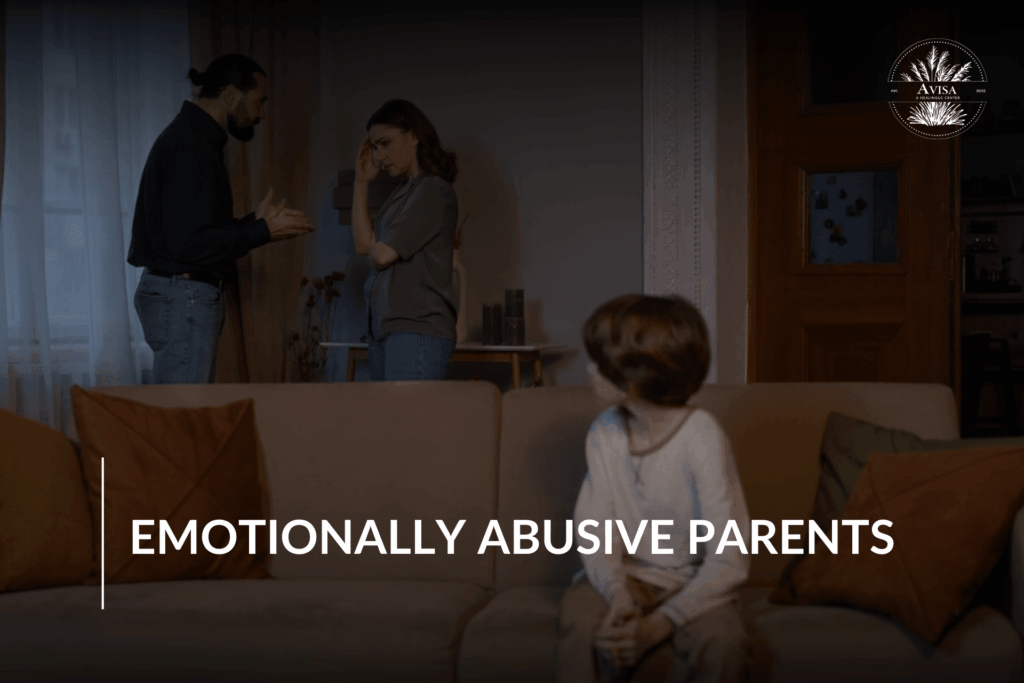
Recognizing early signs of emotionally abusive parents is important for the family to stay intact and for the child to grow independently. One of the critical situations with emotional abuse is it is difficult to measure the symptoms and report them. Still, a study by Sandford reported that 11 out of 20 children experience one or the other form of emotional abuse by parents or a family member in the US. The initial years are crucial for a child’s development, and any kind of negative experience can leave a lifelong scar on his life. By shedding light on this sensitive topic, the blog aims to raise awareness and offer guidance to break the cycle of emotional abuse and foster healthier relationships. Childhood is a time meant for love, joy, and growth. The emotional pain can be hidden, but it’s real, and it’s time to heal. Evidence-based treatments like CBT and MAT can be used to help heal deep wounds. Forget Them, Set Yourself Free! 732-798-7743 What Is Emotional Abuse? Emotional abuse, also known as psychological abuse, can often go unnoticed as there is ideally no physical harm that can be detected, and it is linked with behavioral patterns. As the phrase says, emotional abuse is making mean comments toward someone, leaving them feeling threatened, scared, ashamed, belittled, isolated, or inferior. It’s a non-physical abuse often done by people to control others through emotions. Children can face emotional abuse by anyone, be it their parents, teacher, siblings, cousin, extended family members, stepparent, babysitter, etc. It can take various forms, like a parent pressuring his child to keep secrets, asking them to lie, lashing out at them with no appropriate reason, or a caretaker scolding the child and belittling them more often. 10 Signs of Emotionally Abusive Parents As emotional abuse is more on a psychological basis, it can be difficult to spot symptoms of emotionally abusive parents. However, here are 10 signs that, when observed carefully, can help you spot emotionally abusive parents. 1. Frequent negative actions If a parent is deliberately scaring, humiliating, ignoring, or isolating his child more than required and, most importantly, it is seen publicly, it can be one of the first signs of emotionally abusive parents. 2. Unrealistic expectations Every parent usually has a lot of expectations from their child. As everything has a borderline to it, too many unrealistic expectations can lead to deterioration in the child’s self-worth and leave him emotionally abused. 3. Criticizing constantly A parent’s constructive criticism helps the child improve and grow in various fields. However, constant criticism and pointing out flaws in everything the child does can lead to low self-confidence and decreased self-esteem. 4. Being extremely protective Not allowing your child to explore the world and get life lessons on his own can lead to self-sabotaging behavior. Being too protective of how your child lives his life is a strong sign of emotionally abusive parents. 5. Neglecting your child If you are too busy to take time for your child, you are not only neglecting his current needs but also creating a void inside him, which is often realized at a later stage in life. 6. Unhealthy competition Motivating your child to do better and forcing him to outshine others are two sides of the same coin. If you are constantly encouraging comparisons and unhealthy competition, your child can feel emotionally drained, believing his parents will never be happy no matter what. 7. Belittling and Insulting Calling out names and insulting your child is a clear sign of emotional abuse and can significantly impact a child’s self-image. 8. Manipulation Suppose you are gaslighting or manipulating your child to believe what’s not true or making him feel ashamed or guilty about something. In that case, there is a high chance that you are abusing your child emotionally. 9. Withholding emotions as a sign of punishment Teaching life lessons to your child is important, but not at the cost of withholding emotions. Keeping them away for a long time can lead to significant depletion in emotions, making love conditional for your child. 10. Inhibiting child’s growth Not directing your child to socialize with the right people, have the necessary kind of experiences, learn new skills, and failing to support your child in his early years is a subtle sign of emotionally abusive parents. The Impact of Emotionally Abusive Parenting Being emotionally abused, especially in the early years, can severely impact various areas in a child’s life: Difficulty in learning and remembering concepts Low self-image and self-esteem issues Fear of failure resulting in lack of action Increase the risk of substance use to cope with emotions Insomnia and nightmares Risk of migraine, nutritional deficiencies, and eating disorders Increased dependence on others to manage their emotions Mental health issues like depression, anxiety, stress in early ages Addressing Emotional Abuse Finding the root causes is one of the most important steps in dealing with emotionally abusive parents. Here are some ways to address this: 1. Spread awareness Talking about problems can lead to significant progress and help recognize patterns. Make the child aware of what’s happening to him and why it’s not correct. 2. Build support systems Before confronting, a child should have enough people by his side who can support him in case the condition worsens. In most cases, parents change their behavior once they realize their actions and get guidance on how to improve. 3. Ask a professional Like physical health, mental health also requires the right expertise to heal timely. If you see a child getting emotionally abused, connect him to a professional to guide him and his emotionally abusive parents on what’s the right behavior to impart. Tired of fighting addiction and mental health struggles? Ignoring both deepens the struggle. Our holistic approach—detox, therapy, and medication-assisted treatment—can help you heal. Take the first step today. Heal with Avisa Today! Frequently Asked Questions: Emotionally Abusive Parents Q: What are emotionally absent parents? A: Children who have emotionally absent parents feel
10 Subtle Signs of Emotional Abuse You Shouldn’t Ignore

If you have ever found someone limiting their contact with everyone, have experienced anxiety and panic attacks, or feel bad about themselves most of the time and fear talking about their emotions, it is most likely that they are depicting one or more signs of emotional abuse. Approximately 48.4% of women and 48.8% of men have experienced at least one sign of emotional abuse by their intimate partner. This indicates how frequent emotional abuse is, and this seriously depletes one’s mental health. This blog will help you discover 10 subtle and common signs of emotional abuse that you can observe in people around you and see if they are being emotionally abusive towards you at any point in time. You have to think about your feelings; choose for yourself this time; it’s a sign! We offer holistic support tailored to your emotional and psychological needs, combining the best evidence-based therapies with real, compassionate care. Start A New Chapter. 732-798-7743 What is Emotional Abuse? When it comes to emotions, they are easy to neglect and difficult to look after. Emotional abuse doesn’t leave scars on the body but is more painful. It gets deeper if not taken care of at the right time. Unlike physical abuse, it leaves the victim confused and often questioning themselves. In the United States, emotional abuse impacts individuals across all demographics, from children to adults, and can result in long-lasting mental health issues. Emotional abuse can happen in any type of relationship- be it romantic, familial, or even professional. You need to check for these signs and deal with them before it’s too late. 10 Subtle Signs of Emotional Abuse Figuring out signs of emotional abuse is tough, but once you start observing behaviors and patterns, it becomes doable. Here are 10 subtle signs of emotional abuse: 1. Lack of Constructive Criticism Regularly criticizing your actions, thoughts, and ideas while being defensive and not explaining the reasons is one of the first signs of emotional abuse. 2. Isolation When a person starts isolating you from others, limiting your interactions with everyone, and making you dependent only on him for all your needs, it’s a sign of limiting your emotional stimulation. 3. Constant Monitoring Updating your loved ones about your tasks is normal and should happen with concern. But if the person starts controlling and monitoring all your actions, it indicates a lack of trust and leads to emotional abuse. 4. Gaslighting This phenomenon makes you believe in something that’s not true, thus doubting your memory and feelings and questioning your reality. It leads you to lose confidence in yourself and depend on others’ versions of the story. 5. Constant Threats Threats need not be just physical. If someone is constantly talking to you in a way that makes you feel threatened, it’s more likely that the person is emotionally abusing you. You often succumb to their orders to avoid conflict. 6. Giving you an inferiority complex Healthy comparison leads you to become a better version of yourself. However, if someone is always disrespecting your efforts and comparing you to others, it’s a sign of emotional abuse. 7. Unnecessary Blaming If someone is holding you accountable for their actions, it indicates a lack of ownership and shifting the entire blame on you is a sign of emotional abuse. 8. Passing Passive Aggressive Comments Being sarcastic and impolite about something that is bothering them makes you feel unsure of your actions. These passive-aggressive comments can lead to unnecessary power dynamics and are a sign of emotional abuse. 9. Emotional Negligence Instead of addressing concerns directly, some people withhold their emotions for you, like a lack of love, affection, and care when they are upset with you. Occasionally, this is acceptable depending on the situation, but repetitive behavior can be emotionally draining for the other person. 10. Making you feel undeserving When people you love make you feel undeserving by never celebrating your achievements, belittling your gains, and making you doubt your skills, it’s heartbreaking. Still, at the same time, it’s emotional abuse. The Impact of Emotional Abuse Getting emotionally abused by people you care about is the worst thing to experience. It can leave you feeling confused about yourself and deplete your worth. Here’s how emotional abuse subtly impacts your mental and physical health: 1. Decrease in self-worth If people you admire, love, and care about start abusing you emotionally, ignoring your needs, and always criticizing your actions, it leaves your mind confused, leading to a phenomenon called a negative self-fulfilling prophecy. It can change your internal dialogue and how you think about yourself, hence decreasing your self-worth. 2. Chronic mental health conditions Emotional abuse in various forms has the power to increase the stress levels in someone, leading to conditions like depression, anxiety, and post-traumatic stress disorder experiences. It can further lead to physical symptoms like migraine, insomnia, fatigue, emotional eating, and panic attacks. 3. Developing a lack of trust in relationships Once you experience a bad relationship, you tend to lose confidence in all people and every relationship. This can lead to self-sabotaging and can result in loneliness and a lack of good relationships in your life. How to Recognize Emotional Abuse in Your Life It’s difficult to observe and point out instances where you are getting emotionally abused. These pointers can help you recognize signs of emotional abuse. 1. A recurring pattern People who want to take charge of someone often repeat their behaviors over time in various ways. Start tracking these situations where they lose their cool, don’t take ownership of their words and actions, and belittle you frequently. This can be a starting point for you to make your decision. 2. Constant negligence If the other person is constantly neglecting your feelings, no matter the situation, it’s likely that he/she doesn’t care about you and is abusing you emotionally. 3. Toxic manipulation Making you succumb to their needs and wants is a sign of manipulating you to believe what they believe. This
Are Schizophrenia and Split Personality Disorder the Same? Here’s the Truth
Schizophrenia and split personality disorder (Dissociative Identity Disorder) both are serious mental health conditions. While the two conditions share some similarities, they are not the same and have distinct characteristics, symptoms, and treatments. Nearly 1% of people in the US live with schizophrenia or split personality disorder, yet many struggle to understand what they’re truly dealing with. Schizophrenia is a serious mental illness that causes hallucinations (sensations that aren’t real) and delusions (beliefs that can’t possibly be true). It can also lead to jumbled thoughts, disorganized speech, and difficulties expressing emotions. Whereas people with split personality disorder, now known as Dissociative Identity Disorder (DID), experience a fragmented sense of self. They may have two or more distinct identities, each with its behavior, memories, and traits. We are here to make things simple and clear for you. In this blog, we’ll help you understand what schizophrenia is, whether it’s a personality disorder, and why knowing the difference is so important for proper care and support. Heal with Our Compassionate Support Now! We offer personalized care with Cognitive-Behavioral Therapy (CBT), medications, and holistic treatments like acupuncture and omega-3 fatty acids to help you heal and thrive. Nothing Can Hold You Back! 732-798-7743 Schizophrenia And Split Personality Disorder: Insights Schizophrenia and Split Personality Disorder may share a few similar characteristics, but they are entirely different conditions with unique causes and treatment approaches. Let’s understand them in detail. What is Schizophrenia? Schizophrenia is a psychotic disorder that affects how a person thinks, feels, and perceives reality. It can lead to changes in behavior and symptoms like hallucinations, where someone sees, hears, or feels things that aren’t there. People with schizophrenia may also experience delusions—believing things that are not true. This condition creates a disconnect from reality but doesn’t involve different personality states. Schizophrenia symptoms include: Delusions Hallucinations Disorganized thinking or speech Disorganized or catatonic motor function Self-harm Depersonalization (feeling detached from oneself) Derealization (feeling detached from reality) Anosognosia (lack of awareness of the condition) Aggression What is Split Personality Disorder? Split personality disorder, now called Dissociative Identity Disorder (DID), is a dissociative condition where a person has multiple distinct identities. These identities function independently, each with unique memories, behaviors, and even voices or perceived appearances. Unlike schizophrenia, DID involves separate personality states, often forming as a way to cope with severe trauma. People with Dissociative Identity Disorder (DID) may experience unique symptoms, including: Uncontrollable thought streams Volatile emotional swings Radical changes in attitudes, beliefs, and preferences Seizures Dissociated travel (losing time or memory of activities) Paranormal-based personality states Substance misuse Flashbacks Suicide ideation These symptoms highlight the complex and deeply personal nature of DID, which goes beyond common mental health challenges. Schizophrenia And Split Personality Disorder: Key Difference Schizophrenia and split personality disorder are often mistaken for one another, but they are quite different. Schizophrenia is a psychotic disorder that distorts a person’s perception of reality. People with schizophrenia may also believe things that aren’t true, such as being watched or controlled by others. However, they typically experience one set of symptoms that affect their thoughts and reality. DID, on the other hand, is a dissociative disorder. It involves disruptions in identity, memory, and consciousness. People with DID have multiple distinct personalities or identities, each with its own thoughts, behaviors, and memories. The main difference is that schizophrenia is about losing touch with reality, while DID is about experiencing multiple identities within the same person. While both conditions can lead to changes in behavior and thinking, DID involves distinct personalities, whereas schizophrenia does not. Both disorders can lead to significant changes in how someone interacts with the world, but understanding these differences is key to proper treatment and support. How Is Schizophrenia Diagnosed To diagnose schizophrenia, healthcare professionals use criteria from the DSM-5-TR, which includes: Symptoms present for at least 6 months: The person must show signs of schizophrenia for a significant period, with at least one month of active symptoms. Core symptoms: At least two of the following symptoms must be present for a significant portion of time in a month: Delusions Hallucinations Disorganized thinking Negative symptoms Disorganized or catatonic behavior A thorough medical evaluation, including physical exams and psychological assessments, is required to rule out other possible causes of the symptoms, like drug use or medical conditions. How Is Split Personality Disorder Diagnosed Here’s how Dissociative Identity Disorder (DID), or Split Personality Disorder, is identified: Two or more distinct personality states: These identities can take control of the person at different times. Memory gaps: Frequent forgetfulness of everyday events, important details, or traumatic experiences. Significant distress: The symptoms cause major problems in daily life. Not linked to cultural or religious practices: The experiences are not part of accepted cultural beliefs or rituals. No substance or medical cause: The symptoms aren’t due to drugs, alcohol, or any other medical condition. While both disorders involve a disconnection from reality, the causes and symptoms are very different, making it crucial to understand each condition for proper care and support. Treatment Options For Schizophrenia And Split Personality Disorder When diagnosing schizophrenia and split personality disorder, healthcare professionals look for symptoms that disrupt a person’s daily life for at least six months. However, the path to recovery and treatment is an essential part of managing schizophrenia. In Avisa Recovery, a compassionate, comprehensive treatment approach is used to help individuals live fulfilling lives while managing their condition. Treatment often involves: Therapy and Counseling Cognitive-behavioral therapy (CBT) can help individuals understand and manage their thoughts and behaviors, reducing the intensity of delusions and hallucinations. Medication Antipsychotic medications are commonly prescribed to help balance brain chemistry, reducing symptoms like hallucinations and delusions. Alongside medication, some people find alternative therapies helpful, though they should always be discussed with a healthcare provider. These may include: Omega-3 fatty acids: Research suggests these can support brain health and may alleviate certain schizophrenia symptoms. Acupuncture and Yoga: These alternative treatments can be effective in managing stress and promoting relaxation, though they should complement, not
How to Heal Your Inner Child and Rewrite the Story of Your Life
If you are wondering how to heal your inner child, you have already answered this question. Life is a series of stories we tell ourselves regularly. If we change our stories, we can change our lives. Around 30.5% of people in the U.S. had four or more adverse childhood experiences. Such experiences shape how an individual views himself, especially when alone. Most of our stories come from our childhood experiences, the people we interact with regularly, and the content we consume. Once we start making conscious choices about how we see ourselves, we write our version of the story that we choose every single day. This blog will help you take on a journey of self-healing and rediscover yourself in the process. The pain of your past can’t have to control your future! Our experienced therapists will guide you through proven techniques like inner child therapy, meditation, and visualization exercises that rebuild your life. And Let’s Heal Together. 732-798-7743 Why Healing Your Inner Child Matters Our inner child is the inner world we have created according to our past experiences- both good and bad. It’s important to understand how to heal your inner child and chase growth. 1. Rebuilding self-worth While building our lives, we often face strong setbacks that decrease our self-worth. When you start healing your inner child, you embrace imperfections and chase to become a better version of yesterday. 2. Handling emotions Unhealed experiences lead to confused thoughts and kill emotional balance. Once you start the healing process, you start handling situations with calmness and maturity. 3. Addressing the feelings of shame and guilt We had little to no control over most of our childhood experiences, which eventually led to us feeling guilty and ashamed of what happened to us. Healing your wounds can make you forgive others and help you move on. 4. Managing anxious and stressful thoughts By accepting and healing your wounds yourself, you tend to create a safe environment and reduce your stress response. 5. Breaking patterns Healing your inner child can stop the pattern of generational traumatic experiences, hence breaking it free for future generations. Recognizing Inner Child Wounds Some patterns are easily predictable as to what childhood wound it may have triggered, while it’s difficult to encounter other behavioral patterns. Let’s talk about some of the common methods of recognizing wounds and how to heal your inner child. Lack of trust in others A constant fear of abandonment Chasing perfectionism Sudden triggers of strong emotions like sadness and anger A nudge to please people in order to make them stay in your life Avoiding rejections at all costs Chronic anxious thoughts leading to weird behaviors A feeling of being unworthy and unlovable Self-sabotaging by ignoring opportunities that could bring success Steps to Heal Your Inner Child After understanding what inner child wounds look like and why healing is important, it’s crucial to know how to heal your inner child. Let’s look at the 5-step formula to get closer to it. 1. Acceptance Acknowledging the pain you are going through is the first step towards living the life you always wanted. Consider the fact that your inner child may have some unresolved emotions and needs a break from life. 2. Regroup Once you acknowledge that you need to heal your inner child, revisit your childhood memories and regroup them based on your current environment, relationships, and recent experiences. 3. Practice Like everything else, healing is a practice in which you understand your needs as a child and affirm yourself with kindness and care. Dedicate a specific time of the day every day to this practice. 4. Reconnect We all loved doing some activities as children, but as we grow, we get busy making our lives and forget what makes us happy. Allow yourself to reconnect with activities that make you content with yourself and happier. 5. Set boundaries Once you start seeing improvement in your inner child, it’s your task to keep it that way by setting healthy boundaries and allowing no one to enter this space with chaos, insecurity, and negativity. Tools and Techniques for Inner Child Healing Healing your inner child involves a blend of emotional exploration, self-care, and creative practices. Here are tools and techniques to support your journey: 1. Inner child therapy Healing can be challenging if the path is unclear. However, once you start talking to professionals and practicing guided visualizations and meditation techniques, you will have the confidence to continue doing them to build a better relationship with yourself. 2. Journaling Writing down your thoughts helps you see them from a third-person perspective and separate your thoughts from reality. You can try out specific journaling prompts to carry inner child healing, revisit your childhood, and see things as they were. 3. Self-talk How you speak to yourself creates an inner version of yourself, and everything that you seek becomes an outcome of what that inner version requires. If you change the words you speak to yourself, you change the result of what you want in your life. 4. Releasing your emotions Keeping your feelings to yourself makes you feel suffocated and uneasy at times. Hence, when you start talking to a friend, a family member, or a professional, you start giving space to yourself and heal from tragic experiences. 5. Rewrite your story Writing a new story gives you a new hope to accomplish everything you want. Give a new narrative to your life and consume content to fit that narrative. Once you subconsciously believe you can live a different life, you start acting in that way. How can Avisa Recovery help heal your inner child? Rewriting your story and changing the narrative is important but not as direct and easy as it sounds. With the guidance of a therapist, you can explore your past wounds, uncovering their impact on your current thought patterns, reactions, and relationships, paving the way for healing and growth. At Avisa Recovery, we constantly answer the question of how to
The Role of Inner Child Therapy in Overcoming Trauma and Addiction

You must have observed people who are able to take on strong emotional experiences and stay calm in most of the situations. On the contrary, there are people who loose their cool even at a minor inconvenience. The difference lies in how they have processed their past emotions, situations and traumatic experiences. We all have experienced various form of trauma in our lives, in fact, a report says that 63.9% of U.S. adults have faced at least one adverse childhood traumatic experience, such as abuse, neglect, or household dysfunction. But how we live our lives depend on what extend the healing is done. In this blog, we will take you through the process, signs and why inner child therapy is important to live a better and most functional life. If You Don’t Heal, the Pain Wins Ignoring it won’t make it go away. At Avisa Recovery, our expert therapists help you uncover the root of your pain, reprocess trauma, and rebuild self-worth through a structured healing approach. Hug Your Childhood You 732-798-7743 What is Inner Child Therapy? Inner child is the hidden part of our brain that is shaped during our initial years. It’s the vulnerable, creative and innocent part of our subconscious with our memories, emotions and flashbacks from our childhood days. While it carries all kind of emotions, trauma can be one of them which can hold back the person to live his best life in terms of career, relationships and health. Inner child therapy is a therapeutic approach to handle this inner child with love, care and safety. This builds an entirely new world view for an individual helping him recover from past traumatic experiences. Understanding the Inner Child Inner child holds a lot of memories but often has an unhealed part triggered by trauma. This has a direct link to addiction where trauma leaves a lasting impression on our brain and body. To cope with the negative emotions, people often take the path of an external substance and with time, get addicted to it. Let’s start by understanding how trauma and addiction are triggered in the inner child. The Inner Child and Trauma Self-worth issues: Early negative experiences can lead to high self-worth issues making individuals prone to self-doubt and insecurity. Challenges in building strong relationships: Once you have seen what a bad relationship looks like, you tend to either stop trusting people or fail to maintain healthy boundaries, in either of cases leads to unhealthy relationships. Suppressing emotions: Childhood trauma make you suppress your emotions, not able to express them and feeling threatened. As a result, you develop anxiety and depression by constantly thinking about the past and the future. The Inner Child and Addiction Emotional voids: Most of the addictive circumstances come into our lives when we are trying to suppress an emotion. Hence, every time we want to express something, we replace that with the addicted substance leading to addiction. Recurring cycles of shame and guilt: Addiction makes you feel your emotions even stronger and hence leading to constant cycles of being shameful of what happened and guilty about why this happened to you. Self-soothing mechanisms: We often fear seeking help and try to self-sooth in difficult times. But as you need a doctor to take care of your broken leg, you need a professional to take care of your mental health. Signs Your Inner Child Needs Healing While most of the behaviors can go hidden overtime, if something is triggering you for long enough, it maybe a sign that you need to heal your inner child and get past it. Here’s some common signs you can spot in yourself or in your loved ones: You struggle with a constant feeling of being “not enough” You find it hard to open up to people, build intimate relationships and fear rejection at all times You burnout because it seems impossible for you to say “no” You start relying on external substances to numb pain and get temporary relief You have a constant fear of getting abandon You feel the need to be perfect at everything You get triggered easily leading to intense emotional reactions like sadness, anger or fear The Role of Inner Child Therapy in Trauma Recovery Handling the situation with care is important when you are dealing with emotions. Inner child therapy helps an individual recover from traumatic experiences in the following ways: Creating a safe space: Traumatic childhood experiences often make us belief that you can trust no one and have to be self-dependent on everything. Inner child therapy creates a safe space to talk about anything and everything which builds back your trust in people around you. Reprocessing trauma: Unhealed trauma often leads to a individual that is weak and should be dependent on others for everything. Once you start opening up and see you negative experiences again, you tend to accept the same and move on. Re-building self-worth: Once you heal from the past tragic experiences, creating a strong self-image becomes easier and help you lead towards growth and independence. The Role of Inner Child Therapy in Addiction Recovery Inner Child Therapy help an individual recover from addiction and help him live a life independent of addictive substances. Here’s how inner child therapy can help you: Identifying triggers: The first step to solving a problem is to clearly identifying the trigger points, situations and instances when it’s happening. Going into the depth: No knowing the root cause of a problem only amplifies it. Inner child therapy help you peel off masks you have been hiding in a completely safe and non-judgmental space. Unlearning and relearning: Therapy helps you get out of your own mind and see the world the way it is. Unlearning past behaviors, and learning new patterns help you relieve your inner child. Breaking patterns: Most of the addiction has a pattern to it. Whenever you are alone, you seek addictive substances to fill a void, hence inner child therapy helps you replace the substances with
Borderline Personality Disorder vs. Narcissism: Key Differences You Should Know
Imagine living in a world where your emotions roller coaster never gets off track. On the one hand the relentless search for approval; on the other the relentless seeking to use relationships to get what you want. As a result, borderline personality disorder (BPD) and narcissism can be difficult for many to make sense of due to such layered behavior. In fact, research indicates that 13% of people with BPD also exhibit narcissistic personality traits, a number that can climb as high as 39% in some circumstances. In this blog, we’ll simplify complicated disorders like borderline personality disorder and narcissism, explain their key differences, existing treatment options along with the coping strategies if these disorders coexist. Your Mind Is Your Home, Make It a Safe Place Again You weren’t meant to live in chaos, self-doubt, or endless emotional pain. rough DBT for emotional stability, CBT for thought transformation, and Schema Therapy for deep-rooted healing, you can reclaim control of your life. You Deserve to Heal 732-798-7743 What is Borderline Personality Disorder (BPD)? At any given point in time, 1.6% of adults struggle with borderline personality disorder in the U.S. It’s an intense mental health condition categorized by rapid and intense mood swings and fear of abandonment, which often leads to unstable relationships and a distorted self-image. Take a simple example of going out with one of your close friends. If the plan succeeds, you are happy, but if the plan cancels, you suddenly feel betrayed, sad, and rejected. People with this disorder often: Feel a fear of getting abandoned by the group- be it a real or a perceived notion Idealize someone and devalue them when they fail to meet their expectations Struggle to identify who they are and how they want to build the future Indulge in impulsive behaviors like binge eating, mindless scrolling, reckless buying, and it can even lead to self-harm What is Narcissistic Personality Disorder (NPD)? In the U.S., around 1 in every 200 people are diagnosed with Narcissistic Personality Disorder, which is more prevalent in males, as 75% of them are men. It’s a mental health condition where the person has an excessive need for admiration followed by a lack of empathy for others. People with narcissist traits: Believe they deserve special treatment and always want to be the center of attention Faces difficulty recognizing others’ emotions Find it difficult to handle criticism Use others for their good without pondering upon the consequences What is a Borderline Narcissist? We often use Borderline Narcissist for people portraying both Borderline personality disorder and Narcissistic personality disorder. Understanding this from an example more prevalent in real life would help us get better clarity and differentiate between borderline personality disorder vs. narcissism in individuals like these. Let’s understand it in 3 phrases: 1. Idealization phase Suppose you recently started a relationship, and because of the efforts from both ends, you start thinking that this is the best thing that happened to you. You start seeing the other person as “perfect.” 2. Devaluation phase When the relationship grows, and there’s a minor inconvenience, a person with borderline narcissistic personality starts to throw tantrums and blame the other person for every “wrong” that happened. They start “de-valuing” someone in and out. 3. Low self-esteem phase The final stage that a borderline narcissist faces is the feeling of unworthiness and fear of getting abandoned by the group. Hence, when things seem out of control, they begin manipulating others to stay in their lives and always have a victim mentality. Borderline Personality Disorder vs. Narcissism: Overlapping Symptoms It’s difficult to see how both the disorders exhibit similar symptoms until seen particularly. Some of the commonly seen overlapping symptoms in borderline personality disorder vs. narcissism are: 1. Emotional Instability People with BPD and NPD both exhibit intense emotional responses and can find it difficult to navigate and manage their emotions in the long run. People with BPD often associate themselves with feelings of abandonment, whereas narcissists experience strong emotions of anger or distress whenever someone challenges their self-image. 2. Facing difficulty with relationships People with borderline personality disorder vs. narcissism often find it difficult to navigate through relationships because they idealize other people and de-value them at the other moment. 3. Sensitive to handling criticism The methods might slightly be different from one another, but people with BPD and NPD can’t handle criticism or rejection and see that as a source of motivation to become better. Instead, they try to control the other person by blackmailing, self-harming, or showing some withdrawal symptoms. Borderline Personality Disorder vs. Narcissism: Key Differences While characteristics of borderline personality disorder vs. narcissism might look similar, we can notice some key differences: 1. Self-image Issues While people with BPD might experience a fragile and unstable self-image, like changing careers in order to find what’s stable for them in the long run, people showing off narcissistic personalities have inflated their self-image to an extent where they believe they deserve to be treated specially and everyone should see them as superior. 2. Level of Empathy People with BPD often are more empathetic but unable to manage the outbursts that can happen, making the situation worse. However, people with NPD showcase a lack of empathy while taking advantage of others’ vulnerability. 3. Primary Cause BPD arises from the fear of getting abandoned, while NPD arises from giving too much importance to oneself. Existing Treatment Options for BPD & NPD Every disorder has a treatment plan best suited for short-term and long-term recovery. Based on the symptoms and level of effect it had on your brain, here are some treatment options for borderline personality disorder vs. narcissism: Treatment Options for Borderline Personality Disorder 1. Dialectical Behavior Therapy (DBT): It’s a form of cognitive-behavioral therapy (CBT) specifically developed for BPD, which focuses on helping individuals reduce self-harm behaviors, regulate their emotions, and improve interpersonal relationships. Mindfulness, self-soothing behavior, and the ability to handle various situations are some of the key skills accompanied by DBT. 2. Cognitive Behavioral Therapy