
Comprehensive Guide to Inpatient Depression Treatment
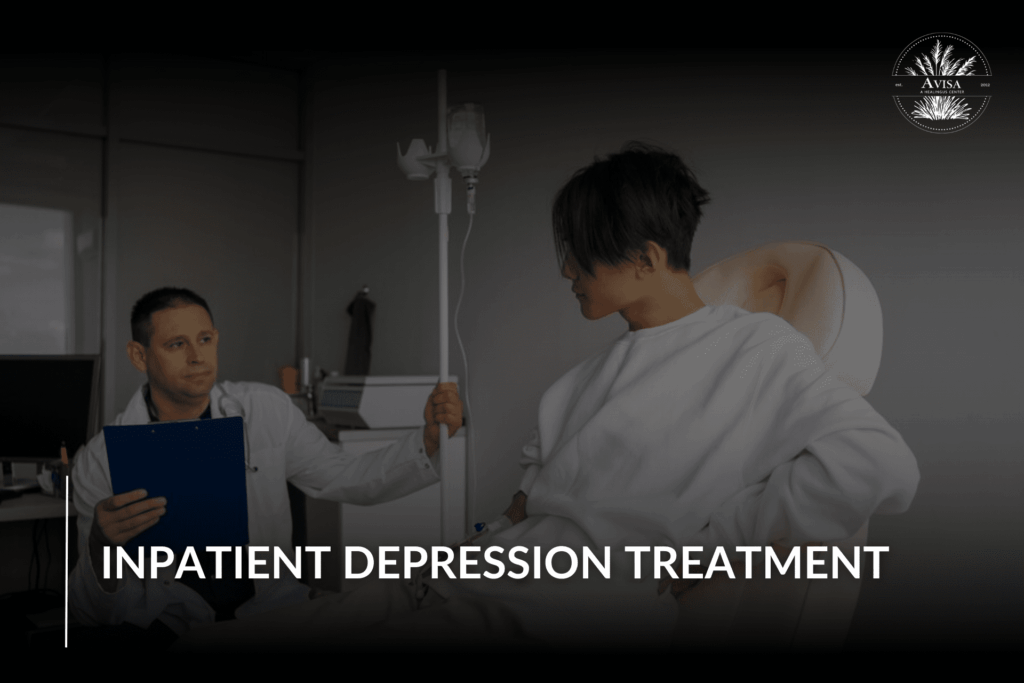
Inpatient depression treatment can be a lifeline when depression becomes too much to handle alone. Most people feel uneasy about being in the hospital. You might dislike the daily routine, the food, or even being around other patients. It can be scary, too. But it’s important to remember that depression is a real illness. Just like these other serious conditions, depression needs treatments that can only be given in a hospital setting. In the United States, approximately 10-15% of individuals with depression receive treatment on an inpatient basis. Many people with depression are benefiting from treatment. Michael shared the same situation as this. He walked us through the journey from growing up in Brooklyn to finding Metallica and working with stars like Cyndi Lauper. He opens up about his struggles with depression and addiction, including how his company supported him in getting into rehab. Michael discusses the harrowing experiences of withdrawal, relapses, and health issues but highlights a turning point someone said, “You don’t have to do this anymore.” Despite the challenges, he feels grateful for his path to sobriety. This episode provides valuable insights into the struggles many face and how to support those in need during tough times. In this blog, we will explore what to expect from inpatient depression treatment, identify who is best suited for this level of care, and offer tips for maintaining recovery after discharge. Read on! Struggling with depression’s grip? Effective inpatient care offers a safe space to heal and regain stability. Start building a better tomorrow today. Start Your Recovery Now 732-798-7743 How Does Inpatient Depression Treatment Work? Inpatient treatment provides round-the-clock care, ensuring patients are always safe and well. These programs have a structured daily routine, which includes various therapeutic activities to help patients recover comfortably. Patients might start their day with calming activities like yoga or art therapy, which help them express themselves and manage stress. Group therapy is also a key part of the treatment, allowing patients to connect with others who understand what they’re going through. Individual counseling sessions are available to focus on each person’s specific needs and concerns. Psychiatrists are available to adjust medications and handle other mental health challenges like anxiety, PTSD, or substance abuse. The treatment is tailored to the patient’s needs, including therapies like Cognitive Behavioral Therapy (CBT) or Dialectical Behavior Therapy (DBT), which help patients develop coping skills and reach their recovery goals. Signs You May Need Inpatient Treatment for Depression Inpatient treatment is recommended for people who have severe depression, especially when other treatments are not working. It provides intense care, which can include programs like: Partial Hospitalization Program (PHP) Patients spend most of the day in therapy at the treatment center but go home at night. This allows them to stay connected to their daily life while receiving intensive care. Intensive Outpatient Program (IOP) Patients attend therapy sessions several times a week without staying overnight. They can live at home and manage their daily responsibilities while focusing on recovery. Individual Weekly Therapy Patients meet with a therapist once a week to discuss their progress and any challenges. This helps them stay on track and address ongoing issues as they work towards their goals. Inpatient care is beneficial for those with thoughts of self-harm, difficulty in daily tasks, or additional mental health issues. Some patients may be diagnosed with Persistent Depressive Disorder (PDD) before starting inpatient care. It’s a long-term form of depression that makes people feel constantly low for at least two years and is also called dysthymia. Inpatient treatment is also for people who need close monitoring to adjust medications and treatment plans properly. This helps ensure they are on a steady path to long-term mental health and well-being. Benefits of Inpatient Treatment for Depression Inpatient treatment for severe depression offers several significant benefits that can significantly help in your journey to better mental health: 24/7 Support In an inpatient setting, you have constant support from a team of mental health professionals. This ensures you are never alone in your struggles and receive the necessary help for recovery. Intensive Therapy Inpatient programs provide a variety of therapy options, including individual, group, and experiential therapies, which can help speed up the healing process. Structured Environment Inpatient treatment offers a daily routine that helps you build healthy habits and learn effective coping mechanisms. Immediate Intervention For severe depression or high-risk situations, inpatient care ensures that immediate help is available. This can prevent crises and provide safety when needed most. These benefits create a supportive and healing environment for individuals looking to recover from severe depression. How Long Does Inpatient Depression Treatment Last? The length of time a patient stays at an inpatient depression treatment center can vary. It depends on how severe their depression is and how well they respond to treatment. Stays can last anywhere from a few days to several weeks. Before patients leave, their treatment team will create a plan to help them transition to outpatient care. This ensures they continue to receive support for their mental health after leaving the inpatient facility. What Happens After Inpatient Depression Treatment for Depression? After inpatient treatment, patients often transition to outpatient programs, such as Intensive Outpatient Programs (IOPs), which allow them to continue receiving care while gradually reintegrating into their daily lives. Key components of successful post-treatment include: Continuing Therapy Regular counseling sessions help reinforce coping skills and monitor medication effectiveness. Developing Coping Strategies Creating a relapse prevention plan helps identify triggers and develop personalized strategies to manage stress and prevent relapse. Building a Support Network Maintaining connections with supportive family and friends is crucial for emotional support. Setting Realistic Goals Understanding that recovery is an ongoing process allows patients to set achievable goals and practice self-compassion. Tired of fighting addiction and mental health struggles? Ignoring both deepens the struggle. Our holistic approach—detox, therapy, and medication-assisted treatment—can help you heal. Take the first step today. Heal with Avisa Today! FAQs: Inpatient Depression Treatment Q: When does depression need inpatient
Is Tequila a Depressant? The Truth About Alcohol and Its Impact on Your Body
At midnight, parties, and in the presence of friends, tequila is most likely to be brought out. It is the drink that triggers comedy, dancing, and fun times. However, a question lingers in the minds of many: Is tequila a depressant? This is why it is extremely helpful to learn about the influence of tequila and its impacts on the human body. Tequila, like other products with alcohol content, has several impacts on the brain and body of consumers. Its output can create a platform for happiness and merriment, but it can also result in misunderstanding and sorrow. In this blog, we aim to reveal the facts behind tequila and how it acts as a depressant to your system. The party ends, but the effects of alcohol stay! Whether it’s group therapy, individual counseling, or partial care, real solutions are within reach. Change begins the moment you decide it does. Your Peace of Mind is Here! 732-798-7743 What Is Tequila? Tequila is a beverage produced by distilling the blue agave plant, which is widely used in Mexico. It is characterized by a very intense taste and a pretty high alcohol level. People can either sip it neat or mix it in cocktails. However, most people may not grasp how it influences mood and behavior. They contain ethanol that has an impact on the central nervous system. These interactions lead to various physical and psychological changes occur in this interaction. The key question remains: is tequila a depressant? The Nature of Alcohol: Stimulant or Depressant? Alcohol is referred to as being a type of depressant. That is, it happens to depress brain function and change a person’s state of mind. It is amusing that people tend to associate stimulators with energy, but depression as a term can be associated with relaxation. This might sound confusing, especially since many take tequila for the initial ‘high’ that it gives them. Low doses of tequila may help its consumers to become more relaxed or amiable. They can reduce people’s inhibition levels and even enhance the happy feelings they experience, in the process. However, as the degree of consumption increases, the real position of tequila becomes clear and visible. Initial Effects Euphoria Sociability Confidence It would seem that once the hype has been generated, the desire is followed by the lethargy that depression creates. It can cause traits of depression, anxiety, or even bouts of anger or irritability. How Different Types of Alcohol Impact the Body? When ingested, tequila affects the effects various systems in the body. Understanding these effects helps answer the question: is tequila a depressant? 1. Brain Function The effects of tequila include dulling of neurotransmitters that are used to control a person’s mood. This inhibition slows down brain operation. Some may feel at ease, but it will shift to tiredness or depression. 2. Physical Coordination Tequila like other depressants it slows down bodily functions, affecting the working of muscles, balance, and coordination. This is why drinking and driving is very fatal. Tequila enhances the effects of the drug in a manner that suggests the more the quantities of tequila, the poorer the degree of coordination. 3. Heart Rate and Breathing Tequila also has a few negative effects on the human body including here it can affect the heart rate as well as breathing rate. It does this and as a result, can cause hazardous conditions especially if taken with other depressants. Very toxication occurs when a tequila mixture is taken along with sedatives or opioids as these enhance the effects of overdose. 4. Long-term Effects Tequila consumption regularly will cause chronic diseases in the body system. These are liver problems, difficulties with heart problems, and disorders of the mental part of the body. Understanding these risks is crucial when considering the question: is tequila a depressant? The Ups and Downs of Tequila Despite all that has been said, tequila has its ups and downs. It is good to have a drink once in a while but you have to be informed of the negatives. Telling the whole story, the elderly acknowledged that the effect of tequila can cause rather unexpected situations since it evokes rather emotional reactions. Short-Term Joy Increases energy Encourages social interaction Long-Term Consequences Emotional lows Health risks Dependence Nevertheless, there is still nothing more devastating than having to face the rigid consequence of a mere temporary happiness obtained through tequila. Understanding this can work to the benefit of any consumer and can assist him or her in being able to make the right choices regarding drinking. Making Informed Decisions With the understanding of Tequila, it becomes possible to make the right decisions now. When they have understood that tequila is a depressant, they should be in a position to balance the pros and cons. However, it is suggested that a limit is also good to control so that you do not encounter terrible experiences in enjoying it. When consuming tequila, consider the following: Drink Responsibly: Never get out of your depth and always remember never to overstep those boundaries. Stay Hydrated: If taking, tequila avoid dehydration by taking water in between shots during consumption. Avoid Mixing: Tequila interacts negatively with other elements when taken with it, and its effects can be dangerous. Thus, with the help of these preventive measures, a person can afford to take tequila without the risks. Tired of fighting addiction and mental health struggles? Ignoring both deepens the struggle. Our holistic approach—detox, therapy, and medication-assisted treatment—can help you heal. Take the first step today. Heal with Avisa Today! FAQs Q: Is tequila a stimulant? A: Tequila is mainly a sedative as it depressant in action on the central nervous system. But some will find something that gives an initial feel of happiness and energy which gives some individuals the impression that it is a stimulant. Q: What makes tequila to be different from other brands of alcohol? A: The drink is made of blue agave plant which makes the drink have a special
Is Pot a Stimulant or Depressant? Unraveling the Effects of Marijuana

As to state how the human body is influenced by marijuana, there are many misconceptions. That is, some people would feel relaxed after using it, while others would feel energized or awake after using it. So, is pot a stimulant or depressant? This is not an easy question to answer, so Marijuana can be an agonist or an antagonist based on one’s whim. In this blog, let us explore the effects of marijuana in detail so that we can understand how it influences the brain and body. By the end of this article, you will get a better understanding of whether pot should be classified as a stimulant, a depressant, or both. Do you think marijuana is harmless? Think again! Long-term use can lead to dependency. Inpatient Rehab, CBT, and Outpatient Programs can help you regain control. Choose Change Today 732-798-7743 What Does Pot Do to the Brain? Marijuana, also known as pot, has an impact on the human body and chiefly the brain in so many ways. Most users of marijuana get high from THC or tetrahydrocannabinol, a substance found in the plant that binds with cannabinoid receptors in the brain. Such interaction can lead to several shifts in emotions, conduct, and attitude. Short-term memory loss Euphoria or a sense of “high.” Relaxation or sedation The common side effect known simply as “the munchies.” Cannabis produces both stimulating and lethargic effects: Some consumers of pot feel relaxed and sleepy, while some are hyperactive. But how can it do both? Whether pot is a stimulant or depressant depends on the user and the likelihood of the specific strain of marijuana being used. Is Pot a Stimulant? Stimulants are drugs that make the consumer wakeful, attentive, and active. This is because they facilitate the rate of transmission of messages across the brain and body. Thus, is pot a stimulant or depressant if it is as far as the rise in energy is concerned? Thus, pot can excite in some aspect. In addition, some of the users say that they can be alert, imaginative, or spirited once they take marijuana. More often, these effects are linked to individual varieties of marijuana that have higher concentrations of THC and lower amounts of other phytocannabinoids, such as CBD. Palpitations: Pot can make your heart race, just like coffee or cigarettes do. Increased awareness: Some of its users say they have improved concentration levels and are more alert mentally. Improvement in focus: Some people believe that they can fix their attention or develop creative ideas when stoned. The above-mentioned effects are followed by other, less pleasant sensations, namely drowsiness or desire to sleep. This leads to the next question: is pot a stimulant or depressant depending on the length of time the substance remains in the brain? Is Pot a Depressant? Depressants are those substances that act in a way to reduce the activity in a person’s brain, causing a feeling of relaxation. Pot can be considered to have depressant effects for some users, especially so when one takes the substance in large amounts or substances containing more of the CBD peak. The ability to induce relaxation normally results in its use to either ease stress or for sleep. Slower reaction time: People can lose some dexterity and experience less control after using a Pot. Drowsiness: Some users turn to marijuana as a way of calming themselves and sleeping. Less stress: to some extent, marijuana makes people feel less anxious or stressed. So, is pot a stimulant or depressant? In this context, pot functions as a depressant, which tends to slow down your body and make you feel more relaxed. However, the effect will not last indefinitely and might differ depending on the individual’s health condition as well. The Mixed Effects of Pot The essence of the confusion that arises in response to the question is pot a stimulant or depressant, is that marijuana works in both categories. It depends on: Marijuana and its potential effect: Some types have a more alerting effect, while others are calming. Dosage: A teaspoon can give you the energy boost you need, while taking a tablespoon or more can cause sleepiness. Self-response: As to marijuana, people respond in different ways. Some people may feel relieved, and others may feel pumped up. Therefore, rather than refer to pot as a stimulant or depressant, which is essentially meaningless, it is possible to conclude that it is both stimulating and depressing if the factors mentioned above occur. What happens to mental health when Pot is involved? Marijuana’s impact on mental health is also not a simple one. For some people, it makes them loosen up and feel calm, but for others, it makes them anxious or paranoid if they take too much. This merely brings into question as to whether is pot a stimulant or depressant with reference to mental health. Reduces stress: To others, it works as a depressant, and it helps to minimize stress. Raises anxiety levels: There are times when people who get high from marijuana tend to have paranoid features or may experience higher levels of anxiety. Improves the mood: Several people feel joyful and elated after Marijuana. But this can sometimes cause certain health problems such as depression or anxiety which indicates the probable impact on its mental health implication. How Do Different Strains Affect Stimulation or Relaxation? Marijuana strains can be divided into two main types: Sativa and Indica. These types help to explain whether is pot a stimulant or depressant. Sativa strains: This type contains higher levels of THC and is well recommended for those who require the energy-boosting type. It may increase concentration, innovative and wakefulness which makes stimulants to be more intriguing. Indica strains: Indica strains have more CBD than other strains and, therefore, lead to effects that include relaxation, sedation as well as drowsiness. These are commonly known as strains used for Insomnia or Anxiety. Therefore, the strain has a critical role in explaining whether pot is a stimulant or a
Is Cocaine a Depressant? Understanding Its Effect on the Brain

They are both addictive substances or narcotics, and cocaine has a very powerful impact on the human brain, which can be rather complicated and, at the same time, pathogenic. If you or someone you know has been using, then you may have asked yourself, is cocaine a depressant? Knowing the real face of this drug is the best way to keep healthy and preserve the ones you care about. Cocaine affects the brain in many ways, but it is important to know if it is a depressant, a stimulant, or a completely different substance. In this blog, we will discuss how cocaine actually functions, what it does to your body in particular, the organ that is most affected by cocaine, and above all, the most crucial question – is cocaine a depressant? Overdose is Real. Recovery is Possible! Evidence-based treatments like Group Therapy and Experiential Healing can help you regain clarity and control. Recovery is within reach 732-798-7743 What Is Cocaine? Cocaine is a strong legal drug that is produced from a plant known as the coca plant, located specifically in South America. People prefer it for recreational use because it has physical and mental arousal properties. People who use cocaine may experience: Intense bursts of energy Increased alertness Feelings of euphoria Heightened confidence Cocaine exists in three forms; it can be insufflated, ingested, or, rarely, injected. The consequences are experienced instantly, but only a temporary form of impact is experienced. Users repeatedly take doses to sustain the “high” and thereby stand a high likelihood of dependence. However, does it imply that is cocaine a depressant? Cocaine’s Effect on the Brain However, to try and find out whether is cocaine a depressant, we need to understand what cocaine does. Cocaine primarily works on dopamine a neurotransmitter, which is the brain’s pleasure and reward system. When a person takes cocaine, the brain cannot reduce levels of dopamine, and hence there is a buildup. It is this flood of dopamine that ends up giving these earners feelings of happiness and energy. However, this is far from being a depressive effect. Cocaine affects the user’s brain by increasing the levels of activity within the central nervous system. Dopamine flood: This is the reason for vigor and high spirits, as seen in today’s examples. Increased activity: Cocaine stimulates the brain, as opposed to a depressant that slows it down. So, answering the question, is cocaine a depressant, we can say no. Cocaine is a stimulant, not a depressant. Is Cocaine a Depressant? Breaking the Misconception The question as to whether or not cocaine is a depressant is popular since many drugs are diverse in their function. Depressants decrease activity in the brain, whereas cocaine increases the activity. It quickens things and, hence, is a stimulant. Knowing this distinction can assist you or your loved one in making better decisions. Here are the key differences between stimulants and depressants: Stimulants: Speed up brain function Increase energy Cause heightened alertness Lead to euphoria Depressants: Either leads to relaxation or drowsiness Decrease energy Cause relaxation or drowsiness Lead to calmness or sedation Cocaine’s effects clearly place it in the stimulant category. The confusion around is cocaine a depressant may come from the fact that, after the “high” wears off, users often feel tired or depressed. However, this is a rebound effect and not the drug’s primary action. The Dangers of Cocaine Use However, cocaine is a stimulant, and by that, I mean that it is very dangerous. Using cocaine can have many harmful effects on your health, including: Anxiety and panic High blood pressure Heart attacks Strokes Seizures They also state that the daily use of cocaine is chemically habitual and that regular use increases the dangers of becoming seriously addicted. There are circumstances in which an individual will be overwhelmed by the substance to the extent that they cannot quit using it despite the ill effects in their lives. That is why it is so important to learn more about what a perilous substance this is. Before we move on, let’s once again answer the question, is cocaine a depressant? No, it is not. It is a stimulant that can have serious consequences on your physical and mental health. Why People Ask, “Is Cocaine a Depressant?” The fact that many people question whether is cocaine a depressant may be due to how they feel after using it. That is true because although cocaine is a stimulant, the feeling one gets after the high effect wears off feels like depression. Users may feel: Exhausted Sad or depressed Irritable Craving more cocaine This post-cocaine crash is why some people might assume that cocaine is a depressant, but the answer is no. These feelings are part of the withdrawal, not the direct effect of the drug that so many people celebrate. Short-Term Effects of Cocaine But to make the transitioning between sections easier, let’s list the short-term effects of cocaine in summary. These effects also help to show why people are wrong about asserting that is cocaine a depressant. Increased energy: Users have an increased feeling of alertness. Elevated mood: Cocaine decreases feelings of sadness and lecture, and it gives happiness and a feeling of euphoria. Decreased appetite: The use of cocaine can make people lose their appetite. Faster heartbeat: Cocaine slows down the activity of organs and speeds up the heart’s rate. The latter can be lethal. Nonetheless, the substance has long-term aggressive impacts on the human body and the personality. Cocaine Use and Its Long-Term Impact The long-term radical effects might not be easily noticeable, but long-term consumption of cocaine does severe damage. People who use cocaine regularly may experience: Addiction: The body develops dependence on the drug. Paranoia: It may even make long-term users feel like they are always paranoid or anxious. Heart problems: Its regular use is dangerous for the heart and can promote a heart attack. Brain damage: Cocaine use alters brain circuits in ways that are long-term, and that can impair the
How to Detach from Someone with Borderline Personality Disorder
It is quite sad to feel you are drowning in an intense and invulnerable relationship. Family and friends of people with borderline personality disorder. You can experience such rapid mood swings as extremely intense and draining. It is entirely possible that you love the person very much, although, at times, you may discover that the relationship is killing you. This leaves many people asking how to detach from someone with borderline personality disorder. Here in this blog, we are going to help you know how you can disconnect without compromising your well-being. Choose Yourself Today It’s not selfish to step back—it’s self-care. Find relief with evidence-based treatments like medication management, yoga, and personalized outpatient programs. Detach and Be Free 732-798-7743 Understanding Borderline Personality Disorder Learning how to detach from someone with borderline personality disorder. Calls for prior understanding of the complexities surrounding the disorder. Borderline Personality Disorder is defined as a mental health disorder that is classified by irritable, emotional, and interpersonal dysregulation. Realizing that a person with borderline personality disorder. It might likely have features like intense emotional expression, fear of abandonment, and impulsiveness. These symptoms make it hard to have relationships because they cause an emotional rollercoaster for those around them. Possible reasons for detachment To learn how to detach from a person with borderline personality disorder. doesn’t necessarily mean that you no longer have feelings for the person. It is about the ability to identify that a particular type of relationship may damage to one’s mental state. You can feel like you are on the precipice of an explosion at any given time or have to calm everyone down. However, everyone needs a break from work and other everyday activities, which can cause a lot of emotional stress over time. Signs It’s Time to Detach Experiencing protagonistic guilt about their mood swings Patterns of highly active warfare Generating and sustaining conflict: the implications of cycles of highly active warfare Failing to consider one’s self and its requirements Self-removal is not a sin; it is a decision made after considering that the present union is too painful to sustain. How to set a boundary with someone with borderline personality disorder It is very difficult to move away from borderline personality disorder. Person, and if one does, the process is even harder if you have feelings for that person. Below are some guidelines that may hopefully help you to grasp how to detach from borderline personality disorder without putting your life at risk. Set Boundaries It is important to state concretely what behaviors are unacceptable anymore. Make sure that you deliver these boundaries with gentle but assertive language. Limit Communication You should slowly cut down your interactions in the course of time to allow your heart to recover. Seek Support Go and talk to friends, family or a counselor who can help you survive this daunting process. Focus on Self-Care Spend much of your time doing things that make you happy, and you gain peace of mind. Stay Consistent Avoid giving mixed signals. It is also important to be consistent, especially with the decisions one is making, to avoid confusing the children. Basically, there are three main steps of how to build a healthy distance in relationships with borderline personality disorder. Partner when learning how to detach from someone with borderline personality disorder. The Importance of Boundaries But limits are significant in any kind of interaction, especially if this interaction concerns a person with borderline personality disorder. In the process of how to detach from someone with borderline personality disorder, there is a first step: defining boundaries to ward off any potential harm to your well-being. These boundaries show what is or can be culturally and socially acceptable and what is prohibited. They help you avoid getting too ‘hooked up’ emotionally with their happiness or anger and other behaviors. How to Set Boundaries But when it comes to choosing a strategy on how to disconnect from a person diagnosed with borderline personality disorder., the first thing that comes to mind is to set a boundary. Here’s how:: Communicate Clearly: The former means that you should let the person know the circumstances that you will not be able to help them or deal with them responsibly and then do it gently. Be Firm. When they attempt to get physical, don’t allow yourself to be crossed. You have your no-go lines drawn. Practice Self-Care: If you cross your line, make sure to set a personal belonging as a priority. It is agreed that one has to detach where boundaries are helpful since they allow one to show concern without actually being intense. This way, you are able to manage the stress and negative emotions that come with indulging in something that you know can harm you in the end. Managing Guilt and Emotional Attachment Probably one of the most challenging aspects of the process is how to disengage with someone who has borderline personality disorder. It is the feelings of guilt that come with it. Having that feeling of running away and leaving the person behind is crucial for a healthy state of mind, which no one can negotiate. Management of Guilt Remind Yourself of the Reasons: Perhaps recall how important detachment is for you and your overall health. Seek Professional Help: It is also important that a therapist assist in demystifying guilt and emotional attachment. Practice Self-Compassion: Do not be harsh on yourself at any particular stage of the process. It is now possible to worry about your own needs. Letting go of someone close always provokes such feelings; however, knowing how to detach from someone with borderline personality disorder. It means putting yourself first. Focus on Your Healing Once you are learning how to let go of those with borderline personality disorder., you need to concentrate on moving forward and healing. Relationship separation from a borderline personality disorder. Partner is also gradual; however, health creation requires appropriate management of emotions afterward. Ways to Focus on Healing Surround Yourself
Is Borderline Personality Disorder Considered a Disability?
Suppose you are able to experience feelings in a manner where they affect your interactions with others, your ability to work, and even your personal identity. That is how it works for many who suffer from Borderline Personality Disorder. But does that mean is borderline personality disorder a disability? Is that Borderline personality disorder can entitle one for disability benefits? In this blog, we are going to discuss the answer to this question by referencing how Borderline personality disorder impacts one’s life and when it might be seen as a disability. What Do We Know About Borderline Personality Disorder? A borderline personality disorder is a type of mental disorder characterized by pervasive and relatively abrupt shifts in mood, conduct, and self-identity. It is for this reason that people with Borderline personality disorder may have unstable emotions or emerge with intense episodes of anger, desperation, self-harming thoughts, or feel worthless. Such challenges may make it hard for a particular person to secure permanent employment or even be gainfully employed. Can Borderline Personality Disorder Be Considered a Disability? Is borderline personality disorder a disability? The question crops up frequently. In the case of many, Borderline personality disorder symptoms reach a level that affects normal living of life. For such reasons, any interferences with these areas may result in the person experiencing problems in interaction with people, in performing work, or even in self-care. Under certain circumstances, those who have Borderline personality disorder can apply for Social Security because this mental disorder can seriously affect a person’s ability to work.. How Borderline Personality Disorder Can Affect Daily Life? People with Borderline personality disorder often experience: Intense mood swings Fear of abandonment Difficulty maintaining relationships Impulsive behavior All these symptoms can be debilitating in the execution of daily tasks in the life of the affected individual. As for the person with Borderline personality disorder, the obstacles can get too high, and the person is not able to work or be active in a workplace or maybe even avoid interacting with other people. The question of whether BPD is a disability is easier to answer when viewing the degree to which it impacts one. Criteria for Disability Benefits Let us first know the answers to the questions of whether borderline personality disorder is considered a disability. Generally, to qualify for benefits, a person with Borderline personality disorder must prove their condition: This prevents them from working Cuts down on how much they are able to do socially Interferes with their capability to execute important task If all these criteria are met, then SSA may consider Borderline personality disorder as a form of disability. Factors That May Qualify Borderline Personality Disorder as a Disability Several factors determine if is borderline personality disorder a disability for someone: Severity of symptoms: Consequently, those with a higher symptoms category on the scale have a higher chance of being eligible. Length of condition: The longer one has had Borderline personality disorder, the higher the likelihood is that the person’s condition might be considered as a disability. Impact on work: Thus, if Borderline personality disorder hinders a person from being able to work continuously, the problem can be regarded as a disability. It aids in determining whether or not Borderline personality disorder makes a person borderline personality disorder disability for benefits. How to apply for Disability Benefits for Borderline Personality Disorder Some people think that, in their particular case, is BPD a disability, and they would like to apply for benefits; in this case, there are things that you can do. Applying for disability benefits usually involves: Talk to your healthcare provider Making medical records and documentation Providing proof of how Borderline personality disorder affects your life The paperwork can be quite extensive, but one needs to be as detailed as possible. Managing Borderline Personality Disorder Without Disability Benefits While the question of whether Borderline personality disorder is a disability or not may not fit everyone with Borderline personality disorder, there are other ways that the condition is treatable. These may range from therapy, medication, and other notable changes in one’s lifestyle. Psychopathy, on its own, does not preclude patients with Borderline personality disorder from leading a productive life as others, including not obtaining disability benefits. Treatment Options for Borderline Personality Disorder There are several treatment options available for those struggling with Borderline personality disorder: Therapy: The most popular therapy is dialectical behavior therapy, or DBT for short. Medication: Indeed, both antidepressants and mood-stabilizing medications can contribute to this. Support groups: Telling a story to others suffering from the same disorder may help them deal with emotions. Regardless of whether one is right or wrong about whether is borderline personality disorder a disability, some of the indicated treatments can help in the reduction of the symptoms and boost the well-being of an individual. When to Seek Help for Borderline Personality Disorder If one experiences such symptoms that interfere with daily life, then one should not hesitate to see a doctor. If you are struggling to answer the question, is BPD a disability for me, it is probably time to speak to a healthcare professional. They can also help you check if you qualify for a disability payment or any other payment. Conclusion Therefore, is borderline personality disorder considered a disability? It often can be, particularly when symptoms are severe enough to impair one’s working ability and social activities. For those who have been diagnosed or know someone who was diagnosed with Borderline personality disorder, it is important to seek help and know the available possibilities. At Avisa, we offer care for people with such mental illnesses as Borderline Personality Disorder. Whether you’re disabled to the extent that you qualify for disability benefits or otherwise, we’re here to help you get the treatment you require. Contact Avisa now and get on the right path towards a healthier mind.
Dating Someone with Borderline Personality Disorder: Navigating Love and Challenges
Love is defined in many ways, and dating someone with Borderline personality disorder is simply an added rollercoaster to the feeling of affection. Sometimes, you just do not understand what is happening or why it is happening, and you might even fear the person or get frustrated with them being with Borderline personality disorder. However, it should also be acknowledged here that it will also be possible to work it out if everyone spends time trying to understand each other and provide support when he or she can no longer manage to take the struggle. Here are some of the topics we will discuss in this blog: the general experience of dating a Borderline personality disorder partner, potential issues that you are likely to face, and how to overcome them. What is Borderline Personality Disorder? Borderline Personality Disorder is a mental health disorder that affects the patterns of thinking, perceiving emotions, and behaviors. Some of the special characteristics of Borderline personality disorder include being unable to manage one’s own emotions, which especially impacts relationships, causing a tendency to unstable relationships and the feeling of abandonment. These people may change their mood all of a sudden, lack self-control, and have a distorted self-image. It’s important to note that if someone you’re dating suffers from Borderline personality disorder, these issues are not caused by the person, and these mood swings can change on their own with the correct assistance. Challenges in Dating Someone with Borderline Personality Disorder Partners of individuals diagnosed with Borderline personality disorder often experience an incredible number of difficulties in their relationships. Understanding these will help you better manage your relationship: Emotional Intensity: This means that your partner may get hurt more easily, be angered more easily, and feel everything much more. Fear of Abandonment: They may always harbor a feeling that the day you decide to ‘dump’ them will be the day. Mood Swings: Their unpredictable emotions can be attributed to drastic changes in moods they sometimes develop suddenly. Impulsivity: Borderline personality disorder also results in impulsive behaviors such as buying or indulging in dangerous behaviors. Although relationships face these challenges, it does not mean that your own relationship is a goner. Knowing the early signs of domestic violence and remaining vigilant will enable you to have a loving relationship. Ways to Support Your Partner Caring for someone with Borderline personality disorder can enrich your relationship and also help you work on yourself. Here are some ways to offer support: Be Patient: They are not aggressive; what they do is part of the disorder. Communicate Openly: Explain how and what you feel and invite them to express the same as well. Encourage Treatment: Cognitive behavioral therapy that includes Dialectical Behavior Therapy (DBT) is suitable for Borderline personality disorder clients. Set Healthy Boundaries: Restrictions are an objective necessity in your relationship to achieve the proper level of mutual feelings. In this case, using these strategies will make it easy to receive more support and stability from your partner. Strengthening the Partnership As much as there are issues, there are also many possibilities of how you can progress your relationship in the course of dating a Borderline personality disorder partner. Make sure to look at yourself and your partner’s needs and desires. Tips for Building a Healthier Bond: Practice Empathy: If you cannot relate to them, attempt to learn how it feels when in their shoes empathetically. Take Time for Yourself: Take care of yourself and your mind first. Attend Therapy Together: It is also important to notice that only couples therapy is effective if the couple deals with the problems themselves. What You Should Avoid It is also equally relevant to unravel what should not be done when one is in a relationship with a Borderline personality disorder partner. This is because when a conflict is present tense, it is likely to rise, especially if mistakes are caused. Don’t Take Things Personally: The times they yell at you are not at you but derived from inner issues. Avoid ignoring their needs: Borderline personality disorder individuals require emotional validation; therefore, do not avoid their anxieties. Avoid ultimatums: Affirming could also exacerbate their fear of abandonment and arguments or threats could occur. However, once you know what leads to objectionable outcomes, he or she can work toward building a more suitable foundation for the relationship. Communication Is Key Nonetheless, one of the most critical parts of relating to a person with Borderline personality disorder is communication. This means that where these considerations are not addressed informally and comprehensively, several instances of confrontation and tension can develop. Make both of you express your feelings often, be tolerant, and do not interrupt your partner. Communication should be Honest: Share how you’re feeling. Compassionate: Remember that your partner’s issues literally stem from the fact that they have a disorder. Non-reactive: Stay calm, even when emotions run high. However, effective communication seems to be the key to creating a more efficient and solid relationship. Self-Care is Important Too As with all personality disorders, cohabitation with a partner who has Borderline personality disorder can be challenging, and it is important that the sufferer be aware of the need to look after their partner as much as their partner has to look after them. Taking care of oneself can also help avoid burnout, as well as provide good care for the partner. Self-Care Tips Take breaks: Take your time and do things that make you happy apart from being with your partner. Seek support: Consult your friends, your family, or even a counselor. Stay balanced: This is also important and should also be met so that you do not get emotionally drained. After taking care of yourself, you will be in a position to support your partner. Conclusion Patience, a virtue, as they say, and love are part and parcel of the same coin. Thus, while dating a person with Borderline personality disorder can be challenging, it can also be rewarding. Every relationship is unique and
Signs of High-Functioning Anxiety: How to Identify This Hidden Struggle
A lot of individuals around us struggle with anxiety daily, though it is not always noticeable. Some learn to balance their anxiety with performance and do not let it show on their faces. This is commonly discussed as high-functioning anxiety, which is great for writing stories but not good for real life, unfortunately. They appear to be good on the outside while they are so much full of anxiety, stress, and self-doubt on the inside. In this particular blog post, we will discuss what high-functioning anxiety looks like, how you can tell if you have it, and what you can do about it. It is possible to remain unaware of the state of your mental health if you are living with high-functioning anxiety hence the need to be able to identify these signs. Of course, knowing all these signs can help take the right measures to deal with the problem before it escalates and causes more stress or even better burnout. What Is High-Functioning Anxiety? High-functioning anxiety is an anxiety disorder that entails a person going through anxiety, yet they post acclaim of handling life challenges. These individuals can work, function socially with family and friends, and continue to produce, but there is always that pressure due to the anxiety that comes with it. It can also be difficult to tell the signs of high-functioning anxiety because he or she is not necessarily failing at daily tasks. But again it is important to understand that it is not always manifest as physical anxiety but can put a lot of pressure on the mind. The utterance of these signs can make people and their families realize when to go for assistance. Main Indications of High-Functioning Anxiety One needs to be aware of signs of high-functioning anxiety because they can be easily overlooked and even mistaken for strengths. These signs include mental, emotional, and behavioral clues that can be used to measure the anxiety that one person is experiencing as he or she fights the illness. Below are some of the most common signs of high-functioning anxiety: Constant worry: Each person has a constant flow of thoughts in their head, and worry occupies a significant place even if there is nothing to worry about. Overthinking: High-functioning anxiety makes people doubt their decisions and analyze conditions and circumstances over and over again. Perfectionism: People with high-functioning anxiety have very high standards they set for themselves, which can be very unfavorable. Restlessness: On the individual level, people may experience anxiety, and they cannot easily let go or unwind. Fear of failure: This creates a significant fear of making mistakes, which in turn influences their behavior and makes them work harder. Insomnia: People who are unable to switch the channel off when these thoughts storm the head run into problems falling asleep. Over commitment: Recently, high-functioning anxiety was identified as a personality type that cannot refuse any task and tends to over-commit. While the above signs may not be considered severe or typical signs of anxiety, they cause exhaustion, damaging effects, and mental fatigue in the long run. Physical Signs Of High-Functioning Anxiety Besides the above-mentioned mental and emotional indicators of high-functioning anxiety, there are some physical manifestations that one is likely to exhibit. Sometimes, all these physical indications are signs of stress that the body is trying to convey a message. Some of the physical signs of high-functioning anxiety include: Muscle tension: One of the most common issues that individuals may have is muscle tension, which mostly affects the neck and shoulders. Headaches: Headaches are frequent since anxiety is a consistent source of strain on the body. Fatigue: However, while people with high-functioning anxiety appear to be highly efficient, they can easily become physically and mentally drained. Rapid heartbeat: This is because, during moments of high anxiety, the heart rate of an individual is affected leading to a rapid heartbeat. Shortness of breath: Another physical sign is when one feels that he is suffocating and cannot breathe adequately. Being aware of these physical signals of high-functioning anxiety may assist individuals in comprehending the link between the physique and the mind. Listening to such signals can help reduce the likelihood of severe physical and mental health problems in the future. Behavioral Patterns Associated with High-Functioning Anxiety Individuals with signs of high-functioning anxiety exhibit certain behaviors that others may not even pick as signs of anxiety or may just attribute to hardworking or well-organized behavior, which may, in effect, manifest behaviors reflecting anxiety that interfere with a person’s ability to effectively let off steam or enjoy life. Some common behavioral signs of high-functioning anxiety include: Over-preparing: They can spend many hours and even days preparing for a single task, presentation, or event among other things. Punctuality: Frequently, using the time like placing oneself overly early or being punctual means the presence of anxiety about being late. Difficulty relaxing: People can have problems with staying idle or performing tasks that are not related to work; they, always feel that they have to do something. Seeking reassurance: Forcing themselves to get constant affirmation from others, even if, they have achieved their tasks very well. Avoidance: They could stay away from any events, persons, or situations that in one way or the other, provoke the onset of the anxiety. These behavioral signs of Librium can result in creating a cycle which is stress and exhaustion. In the long run, this sort of pattern has an impact on their psychological and psychological overall health. Influence of High-Functioning Anxiety on Life High-functioning anxiety is exhausting because an individual can live with visible indicators of anxiety while continuing to perform optimally. Nevertheless, the constant stress of overthinking, worrying, and striving for perfection may lead to mental exhaustion in them. High-functioning anxiety individuals always feel that they are never enough no matter the accomplishments they make. This feeling can lead to a cycle of self-doubt and fear, thus leading to even more anxiety in the long run. The inability to treat these
Recognizing the Symptoms of High-Functioning Anxiety: What to Look For
High-functioning anxiety is an anxiety disorder that goes unseen most of the time. High-functioning anxiety means that you can navigate through life and go through your daily operations as you would normally despite having anxiety. On the outside, they could be jovial and always happy, but on the inside, they could be battling with anxiety stress or fear. And so, often it is rather difficult to diagnose it, including for the sufferers themselves, because the condition does not interfere with people’s lives in any apparent manner. This blog will assist you with identifying High-Functioning Anxiety Symptoms, observing how they present, and gaining knowledge on what to do if one is struggling with this disorder. This I believe, is the essence of understanding one’s state and trying to find the right help and care for the improvement of one’s mental health. You Are more than what Your Anxiety Makes you Feel! Heal yourself with inpatient, outpatient therapy, holistic methods, or even adventure-based therapy! I am prioritizing Myself 732-798-7743 What Is High-Functioning Anxiety? Another type of anxiety is high-functioning anxiety; a person is anxious on the inside but goes on with his busy schedule. Unlike other anxiety disorders that may cause a person to have significant impairment in his or her daily living, there may not always be impairment. A person with this condition will possibly excel in the workplace, settings, and in the relations interfered with while the anxiety is concealed behind success. But still, they might be struggling with such high-functioning anxiety symptoms as excessive worrying, overthinking, and the need for perfection. About these signs, one should be clear to offer the proper kind of support. Common Symptoms of High-Functioning Anxiety It is worthy of note that, characteristics of high-functioning anxiety symptoms vary from one person to the other; notwithstanding, it is noticeable that some universally apparent qualities high-functioning anxiety sufferers exhibit. These are sometimes perceived as values which are unhealthy behaviors that have rather negative impacts on those who practice them by causing burnout, stress, and deterioration of mental health. Here are the key high-functioning anxiety symptoms to be aware of: Overthinking: High-functioning anxiety is characterized by overthinking each decision that one makes. This may lead to the development of mental strain with the person second-guessing himself or herself consistently. Perfectionism: A constant urge to be perfect and succeed in any given work, in any relationship, and in completing all types of tasks. Fear of Failure: Even when they’re successful, individuals with high-functioning anxiety often fear failure. They may perform beyond their capacities to ensure they do not make mistakes more so when working on projects. Restlessness: In technical terms, they might always be tense or edgy or cannot find time to relax, which can prevent them from relaxing. Workaholism: It is common for persons with high-functioning anxiety to overcompensate at the workplace in an attempt to divert their thoughts. They put in many working hours and tend to find it hard to turn down new assignments. Insomnia: Insomnia is quite frequently witnessed when an individual is unable to fall asleep or has a hard time staying asleep. These thoughts and concerns may go round and round in their head and thus may not allow them to have a sound sleep. Avoidance: They use psychological methods to avoid situations that cause their anxiety or people or other locations that also hurt their quality of life. Procrastination: Though they may appear useful, procrastination is another way through which they deal with their anxiety, which results in last-minute stress. Despite this, high-functioning anxiety symptoms can be camouflaged behind achievements and efficiency, which highly affect mental health. That is why it is crucial to detect them at an early stage to treat the anxiety and raise the general mood. Physical Symptoms of High-Functioning Anxiety However, it is also noteworthy that the symptoms of high-functioning anxiety are not only mental and emotional but can be observed physically as well. The somatic signs may be excluded or rationalized as resulting from a different condition related to anxiety. undefined Muscle tension: The continuous pressure leading to muscle contraction gives rise to tension, which is evident in the neck, shoulder, and back muscles. Headaches: This may include tension headaches or migraines that occur frequently due to anxiety. Fatigue: This indicates that anxiety manifests into a mental health disorder that can warrant physical fatigue regardless of the performance of the individual. Shortness of breath: Shortness of breath or difficulty in taking deep breaths is another symptom of anxiety. Heart palpitations: Palpitations or the feeling that the heart is racing can happen, which can be in response to stress or anxiety. This is why it is important to identify these physical high-functioning anxiety symptoms. There is another classification of high-functioning anxiety and these must be recognized. Our body has ways of letting us know that our minds are stressed and if these signs are dealt with, the stress might easily be reduced. Behavioral Characteristics Related To High-Functioning Anxiety People who struggle with high-functioning anxiety symptoms display particular behaviors that indicate their anxiety levels. These patterns are usually unnoticeable and may be incorporated into their daily timetable. Here are some behaviors you might notice in someone with high-functioning anxiety: Constant busyness: They engage in certain activities to ensure that their minds are not preoccupied with the thought of the anxious feeling. Inability to relax: Some of them may find it hard to take a break, or even to sit still. It makes them feel like they should always be working or accomplishing something. Punctuality: Punctuality or being too early may be their way of avoiding a late arrival or making a mistake. Over-preparation: They might over-compensate in every scenario, be it formal business presentations or a simple meeting, because of the underlying anxiety that they are not sufficient. Difficulty with decision-making: They get overwhelmed by small decisions because they are afraid of making a bad decision. However, these behaviors may not signify anything embarrassing; they are usually a
Understanding High-Functioning Anxiety: What It Is and How It Affects
Do you ever feel overwhelmed with worry but still manage to get everything done? You may look calm and collected on the outside, yet on the inside, you are constantly anxious. This might be a sign of high-functioning anxiety, a condition where people seem to function well despite their inner struggles. It’s more common than you think, but many people don’t recognize it. In this article, we will break down what high-functioning anxiety is and how it can affect your life. Struggling with Inner Anxiety? Discover therapies that address the unique challenges of high-functioning anxiety and promote lasting well-being. Find Supportive Solutions 732-798-7743 What is High-Functioning Anxiety High-Functioning anxiety refers to a form of anxiety where individuals manage to perform well in their personal and professional lives despite feeling anxious. Unlike severe anxiety that can leave someone unable to cope, people with high-functioning anxiety often appear calm and in control. However, beneath the surface, they are struggling with constant worry and fear. Some of the main characteristics of high-functioning anxiety include: Perfectionism: A desire to always do things perfectly, which can lead to overworking. Overthinking: Constantly analyzing every detail of the situation. Restlessness: Feeling uneasy even when things seem to be going well. Fear of Failure: Being driven by the fear that failure is not an option. Even though people with high-functioning anxiety may look like they have everything together, the reality is that they are experiencing ongoing stress. Their anxiety is often masked by their drive for success, making it harder for others to recognize their struggles. This is why high-functioning anxiety can sometimes go unnoticed or untreated. Symptoms of high-functioning anxiety Many of the signs of high-functioning anxiety go unnoticed because the person appears to be thriving. However, it’s important to recognize the symptoms to understand how it affects their life. Common symptoms of high-functioning anxiety include: Constant worrying Difficulty sleeping Irritability Procrastination followed by intense focus Overcommitting to tasks These symptoms might seem mild at first, but over time, they can wear down a person’s mental and physical health. People with high-functioning anxiety might feel stuck in a cycle of anxiety but continue to push forward because they think they are “managing.” This constant pushing can lead to burnout and other health issues if not addressed. How does high-functioning anxiety affect people? High-functioning anxiety can affect individuals in many different ways, impacting their mental, emotional, and physical well-being. People often struggle with the following: Physical health issues: The stress from high-functioning anxiety can lead to headaches, stomach problems, and other stress-related conditions. Burnout: People with high-functioning anxiety often push themselves too hard, which can eventually lead to exhaustion. Emotional strains: Constant worry and overthinking can damage a person’s emotional health, leading to feelings of frustration and isolation. It’s crucial to recognize the impact of high-functioning anxiety so that proper support and care can be provided. Without addressing it, the effects can snowball and impact many areas of life, including relationships, work, and overall happiness. Common Triggers of high-functioning anxiety People with high-functioning anxiety may experience certain triggers that worsen their anxiety. Some common triggers include: Deadlines Social Interactions Uncertainty about the future High expectations These everyday stressors can amplify feelings of anxiety, even when everything seems under control. The person with high-functioning anxiety might be so accustomed to managing these triggers that they don’t even realize how deeply it’s affecting them. However, by identifying triggers, it’s possible to take steps to minimize their impact and manage the anxiety better. Coping with High-Functional Anxiety Managing high-functioning anxiety can be challenging, but there are ways to cope with it. Some strategies for managing this type of anxiety include: Mindfulness: Practicing mindfulness helps reduce stress and keeps anxious thoughts at bay. It encourages living in the present moment, which can calm the racing mind. Setting boundaries: Learning to say “no” can prevent over commitment and reduce feelings of overwhelm. Limiting work or social obligations can also help ease anxiety. Exercise: Regular physical activity can help manage anxiety symptoms. Exercise releases endorphins, which improve mood and reduce feelings of stress. Therapy: Speaking with a therapist can provide tools and strategies for managing high-functioning anxiety. Cognitive Behavioral therapy is a popular approach that helps people challenge anxious thoughts and develop healthier coping mechanisms. Even though high-functioning anxiety may not be as visible as other types of anxiety, it still requires attention and care. With the right coping mechanisms, individuals can manage their anxiety more effectively and lead a balanced life. By taking these steps, those with high-functioning anxiety can find more peace and improve their overall well-being. Long-term Effects of high-functioning anxiety Over time, if high-functioning anxiety is not addressed, it can lead to more severe consequences. Long-term effects may include: Burnout: Constantly pushing oneself without taking breaks can lead to physical and emotional burnout. Isolation: The fear of failure may cause people to withdraw from others, leading to loneliness and isolation. Health problems: Ongoing anxiety can result in chronic physical issues like heart problems or digestive issues. If left unchecked, high-functioning anxiety can seriously damage a person’s quality of life. Recognizing the potential long-term effects can motivate individuals to seek help sooner rather than later. Seeking Help for high-functioning anxiety Although people with high-functioning anxiety may not always ask for help, it is essential to seek support when needed. Therapy, counseling, or talking to a trusted friend can provide relief. Sometimes, just acknowledging that the anxiety is there is the first step toward managing it. There are many ways to address high-functioning anxiety, and no one should feel like they have to handle it alone. There are numerous treatment options available, from therapy to medication, that can help manage the symptoms and prevent further. People should not hesitate to seek help to understand better and manage their anxiety. There is no need to suffer in silence. Even though high-functioning anxiety may allow someone to appear successful, the inner struggle is real. Tired of fighting addiction and mental health struggles?